

There is Strength in Silence: An Incluvie Film Festival Review of “Kung Fu Chit”
Featured in Incluvie’s 2020 Film Festival, Kung Fu Chit tells the story of a girl who doesn’t quite fit in.
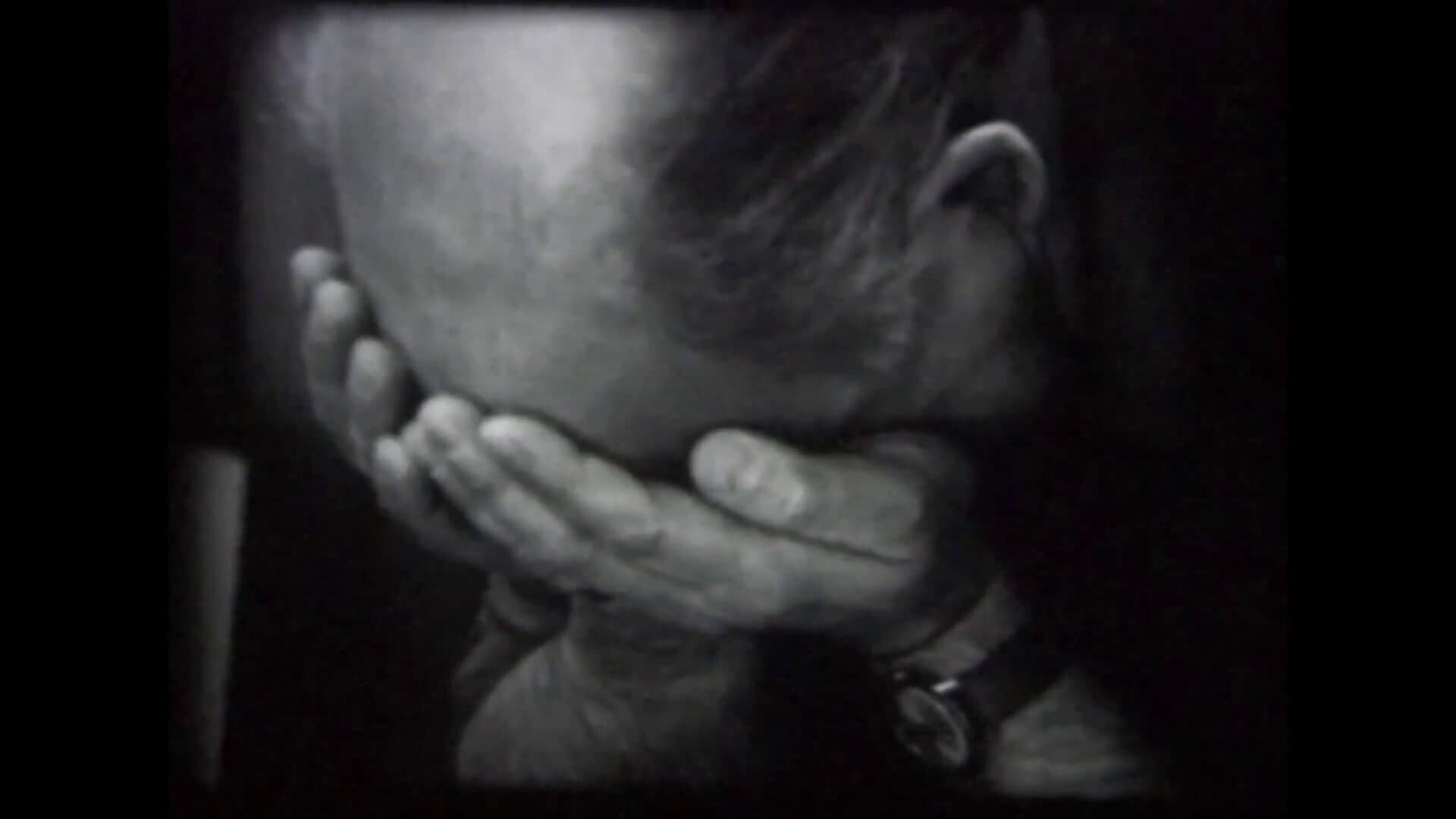
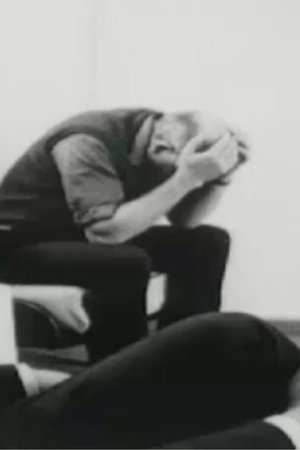


The work of Leiden professor Bastiaans on dealing with the trauma of war victims attracts the attention of filmmaker Louis van Gasteren. He decides to make a film about the psychotherapeutic treatment with LSD of a former concentration camp prisoner in the clinic of Bastiaans. Patient Joop is arrested in September 1941 and begins a long hellish journey through various camps, until he is liberated by the Russians. When he returns to his wife, he has become a completely different man. Joop suffers from nightmares and is incapable of normal human contact. With two cameras, Van Gasteren records approximately six and a half hours of the first treatment that Joop undergoes with Bastiaans (four more will follow later). Special attention is paid to details: Joop's hands, the sweat on his forehead, a tear running slowly down his cheek. Van Gasteren reduces the recordings to more than an hour.
Featured in Incluvie’s 2020 Film Festival, Kung Fu Chit tells the story of a girl who doesn’t quite fit in.
'Don't Lose Your Head' follows the motto of "grades aren't everything."
Two Distant Strangers (2020) centers around Carter James (Joey Bada$$) as he tries to get back home to his pitbull, Jeter, after spending a night at the apartment of his date Perri (Zaria Simone). What gets in the way of Carter reuniting with his dog is that every time he tries to leave Perri’s apartment, he is killed by police and wakes up back in her bed in a never-ending cycle. It addresses the issue of police brutality which rightly has been in the public eye more and more with the unjust deaths caused at the hands of law enforcement.
A thief and street dog named Roger has to work with other pets to take down the evil Mayor Frank Stone when he plans to destroy Robo City.
Dead Poets Society brilliantly combines defeat and optimism, rejection and love, craziness and daring, fear and freedom.
Zoe Saldaña is a CIA operative who leads a special program that recruits women to infiltrate and dismantle international criminal enterprises, with a QRT(Quick Response Team) providing operational security that shoots people and blows things up on a weekly basis.