



Dead Poets Society Steals a Queer Story
Dead Poets Society relies on patriarchal tropes such as overbearing fathers, contrived brotherhood, and faux-individuality in order to portray its straight white male characters as oppressed.

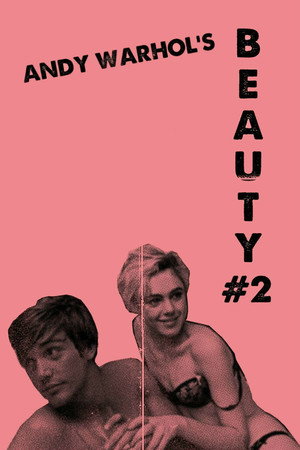


The movie has a fixed point of view showing a bed with two characters on it, Sedgwick and Piserchio. Chuck Wein is heard speaking but is just out of view. Sedgwick is wearing a lace bra and panties, and Piserchio, wearing only jockey shorts, engage in flirting and light kissing. Wein asks Sedgwick questions seemingly designed to harass and annoy her. Piserchio is more or less a bystander not interacting with Wein. The dialogue seems created adlib and no conclusions are reached in the film. The only conceivable climax is when Sedgwick finally becomes so mad, she throws a glass ashtray at Wein, breaking it.
Dead Poets Society relies on patriarchal tropes such as overbearing fathers, contrived brotherhood, and faux-individuality in order to portray its straight white male characters as oppressed.
The original series is now on Netflix, you should definitely give it a watch. And if you’ve already seen it, watch it again.
At its heart, it’s a fond tribute to an influential artist and thus one that can speak to everyone’s inner artist, even if it lacks the sincere commentary you may wish to see.
GOAT (2026) opens to the chanting of a crowd: "Roots run deep!" The rest of the film goes on to echo that sentiment, offering gorgeous animation and a heartfelt story along the way.
Middle school best friends reunite in middle age - Magalie is a chaotic free spirit “freeloader”, Blandine is a divorcée “sourpuss” with severe depression. The Palm Beach Film Festival opening night was glamorous for “Two Tickets to Greece”, the first screening of the French film in the United States.
In season 2 of “Never Have I Ever," Devi make many mistakes in a messier season that explores the complex lives of its diverse cast more in-depth than before.