




You Seriously Need to Watch 'Crazy World': Wakaliwood Uganda’s Action Triumph
Crazy World gives fans of Wakaliwood movies what they want by playing up the comedy and action just like their movies before.
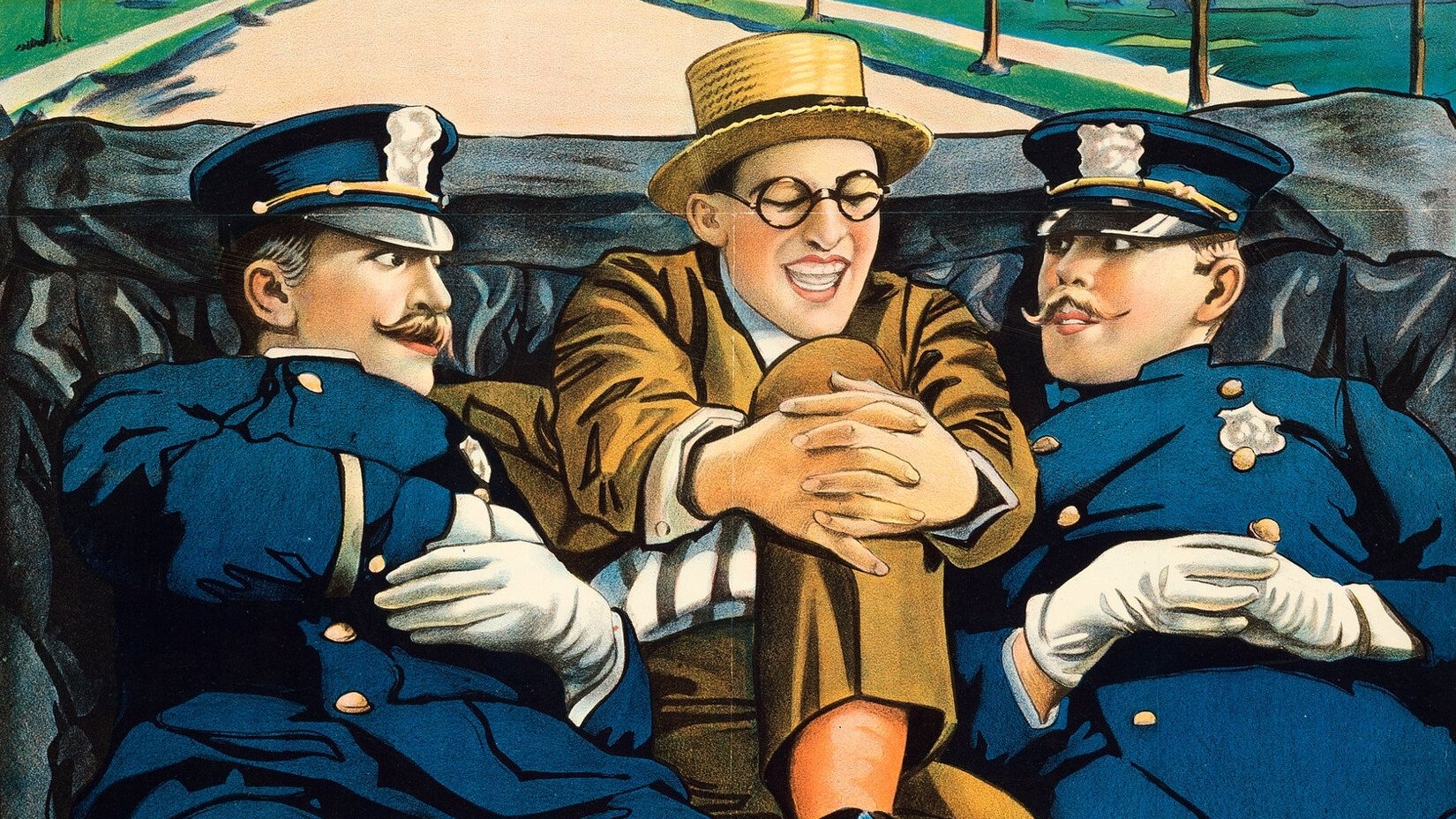



Harold Lloyd starred in the successful Lonesome Luke series. However, he soon grew tired of the obvious Charlie Chaplin imitation. In an attempt to reinvent himself, Lloyd donned a pair of horn-rimmed glasses, and thus, a new comedy legend was born. Setting himself against Chaplin, Lloyd's "glasses character" was an everyman, a resourceful go-getter who embodied the ambitious, success-seeking attitude of 1920s America.
Crazy World gives fans of Wakaliwood movies what they want by playing up the comedy and action just like their movies before.
It surely isn't for everybody and could certainly offend some folks, but Troll Hunter takes a different approach to representing religion in a film.
I’m still trying to comprehend the psychological and moral implications of their fascination with each other, or why their almost written-in-the-stars depth of connection makes so much sense.
Amanda Riley gets the opportunity to travel to Vietnam for the experience of a lifetime.
My review’s title is a nod to Shakespeare and is entirely deliberate. The original movie portrayed the high-end fashion world as a brutal arena of plotting, backstabbing, and betrayal, and most Shakespeare’s plays depend on these plot devices. The Devil Wears Prada 2 uses the same formula, and is, plot-wise, almost identical. Once again, we plunge into the cutthroat world of Runway, where to get and stay at the top, you must let go of your principles and moral sense. The only thing different is that due to the digital era, Runway is not a print magazine anymore, but one that is running online.
So with the recent (rightful) public apologies to Britney from comedians and media for trashing her image in the 2000s, perhaps some people should also give Crossroads the fair chance it deserves. It won't be everyone's cup of tea, and that is fine. Personally, I will take my girl Britney and her movie, over the next testosterone "Dude Flick" any day.