Teenage Mutant Ninja Turtles: Mutant Mayhem - A Glimpse into the Transformative Power of Family, Friendship, and Fear
The latest installment in the beloved media franchise is a unique stylized mesh of humor and heart.
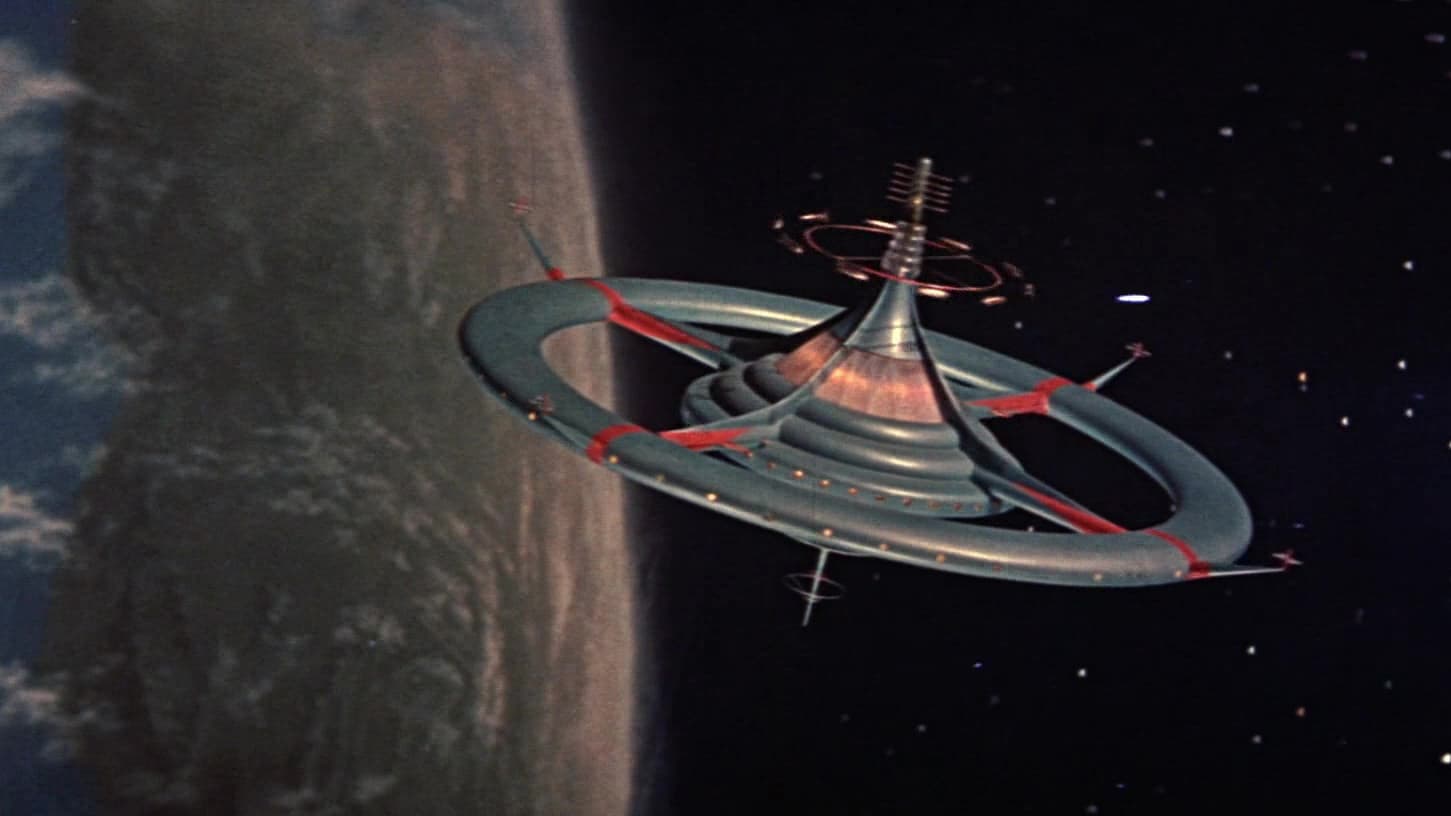
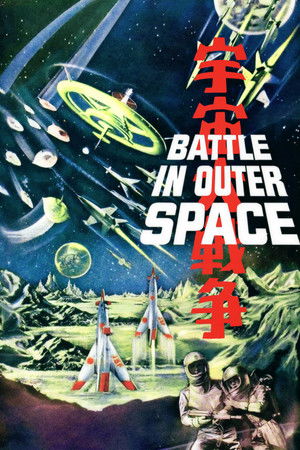


In 1965, the space station JSS-3 is destroyed by a fleet of UFOs, which then begin a global siege on Earth, using rays to manipulate gravity and control the minds of men. In response, a global council meeting is held to determine the source of the attacks and prepare a rocket ship armada for a counter-attack, a true battle in outer space. . . The film is a sequel of sorts to Toho's THE MYSTERIANS in the reprise of the Etsuko Shiraishi character of that film as its heroine. It was edited to 74 minutes for its American release.
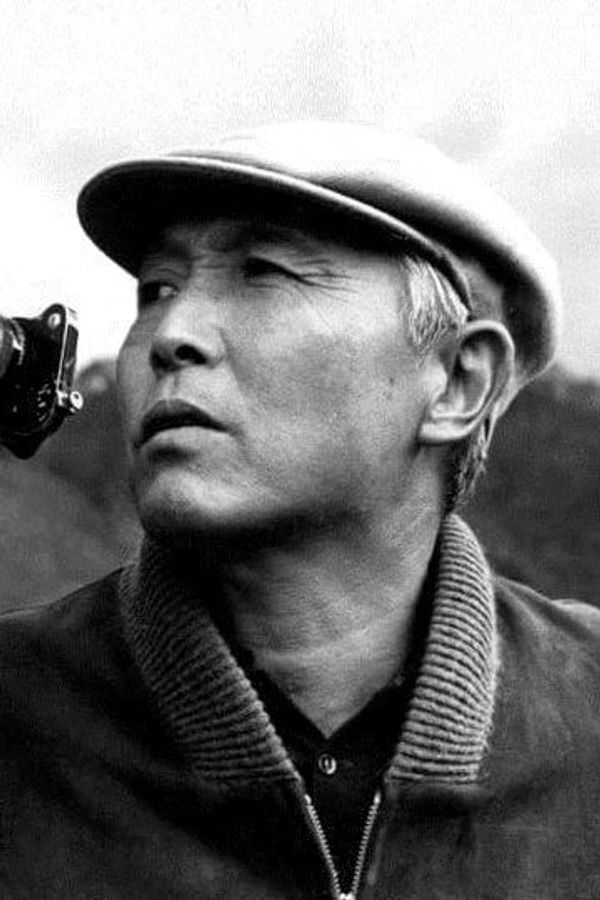
Ishirō Honda
Director


Koreya Senda
Professor Adachi
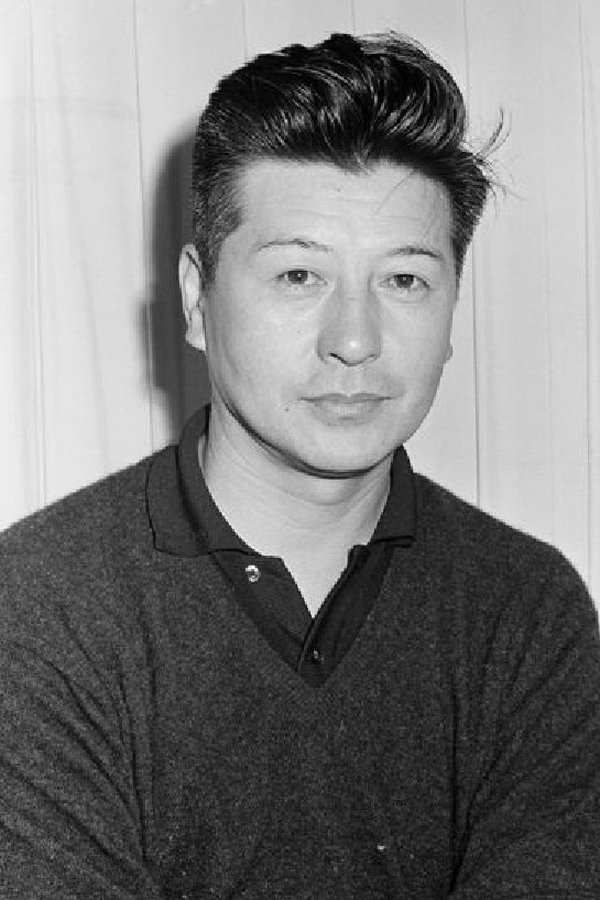
Ryō Ikebe
Major Ichiro Katsumiya

Kyōko Anzai
Etsuko Shiraishi

Yoshio Tsuchiya
Iwomura
Leonard Stanford
Dr. Roger Richardson
Harold Conway
Dr. Immerman
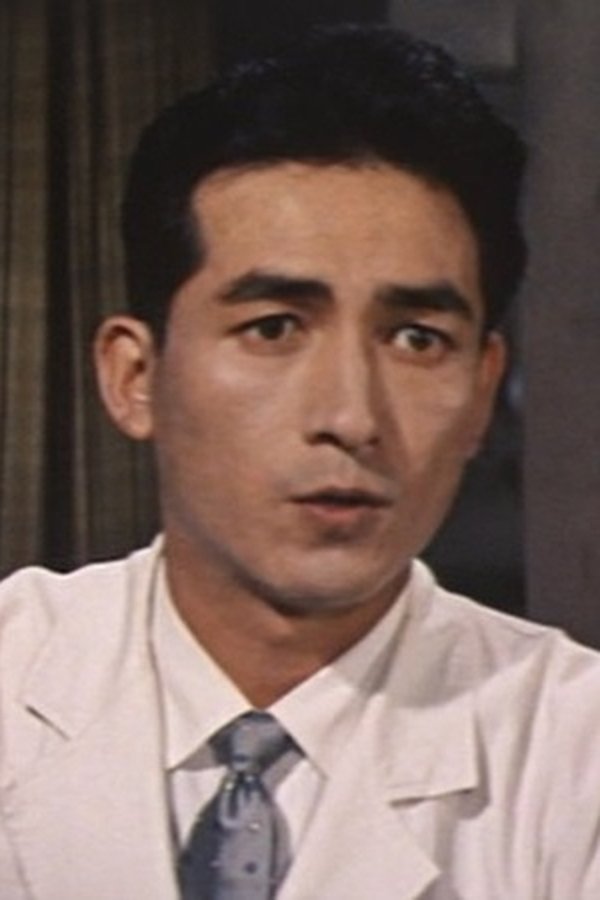
Hisaya Ito
Kogure

Minoru Takada
The Commander

Nadao Kirino
Gravity Man
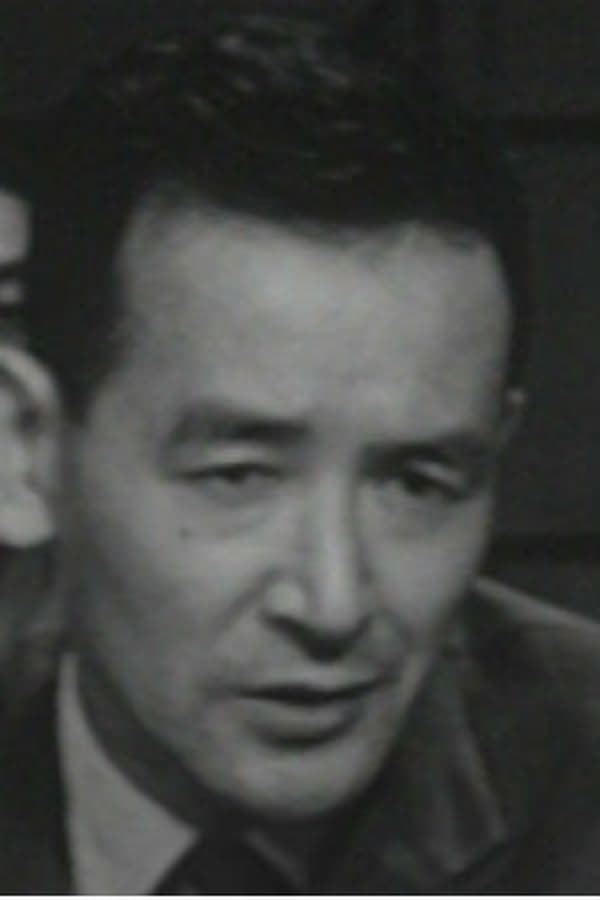
Fuyuki Murakami
Inspector Iriake
Malcolm Pearce
Dr. Achmed
The latest installment in the beloved media franchise is a unique stylized mesh of humor and heart.
Telling a story about the French and Indian Wars from the perspective of the British prioritizes the perspective of the colonizers.
There is a lot of controversy around Q-force. It’s certainly not hard to see why—the series is quite hyperbolic. I will say, that was the first aspect I noticed on my initial watch. Right from the get-go Q-Force barrages you with gay joke after gay joke. This is hit or miss throughout the series.
It’s been five months since Wayward premiered on Netflix and it still has some of us in a choke-hold.
Evan Goldman, a child of divorced parents, is planning a memorable bar mitzvah for his 13th birthday. However, middle school has a few obstacles along the way.