


'Under Wraps': A 2021 Halloween Remake
This remake of the Disney Channel Original Movie of the same name brings a strong representative cast.
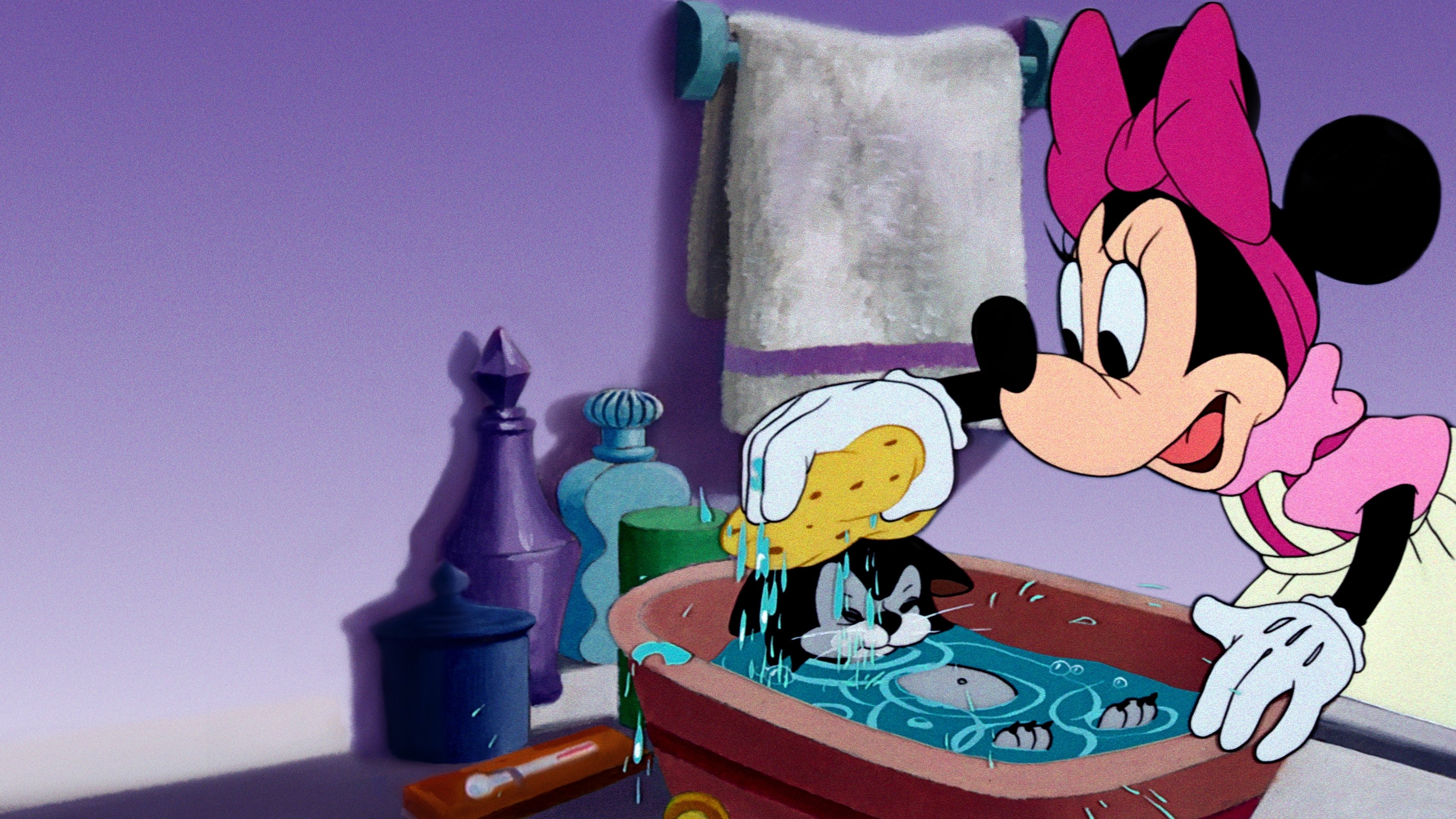
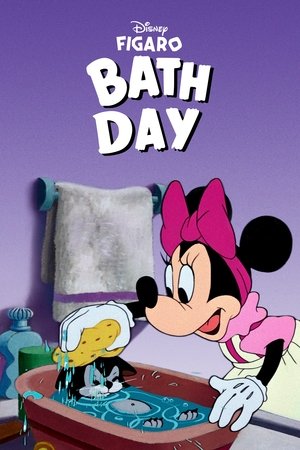


Minnie gives Figaro a bath and ties a ribbon around his neck. Figaro feels like a sissy, and when he mixes it up with some alley cats, they mock him, and the leader attacks. But Figaro is so afraid that his shaking topples a series of trash cans onto the aggressor. The rest of the cats didn't see this happen, and think Figaro defeated their leader. Of course, now he's all dirty, and he needs another bath.
This remake of the Disney Channel Original Movie of the same name brings a strong representative cast.
'A Wrinkle In Time' combines fantasy and science fiction to bring the classic story to life.
Sam Levinson's latest film can't keep up with the excellence of its performances.
Fire Island is the more inclusive film of the two with the bi-phobic definition of pansexuality in The Thing About Harry and its obvious lack of colour on screen
If you're missing the freedom of travel, explore the world via these international films that put their gorgeous settings in the spotlight.
Michael Shanks’ Together is a queasy, hilarious, and surprisingly heartfelt body-horror trip that fuses love and terror in the most literal sense. Starring real-life couple Dave Franco and Alison Brie, this midnight gem twists Plato’s soulmate myth into a gory, darkly funny tale of codependency, cults, and chainsaws — equal parts romance and nightmare.