
“Bury Your Gays” Trope in TV and How “Wynonna Earp” Defies it
I think that the happiness and survival of "Wynonna Earp"’s LGBTQ+ characters is incredibly refreshing in contrast to the prevalence of queer suffering and death in other television.
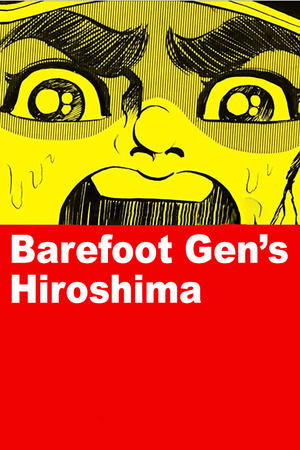


With the passing of Nakazawa Keiji in December 2012, Barefoot Gen’s Hiroshima now stands as the manga artist’s last message of peace to the world. Mr. Nakazawa recounts his life, from the aftermath of the atomic bombing up until the days he created his acclaimed manga series Barefoot Gen (Hadashi no Gen), by exploring sites of painful memories in Hiroshima. Through Mr. Nakazawa’s story, and his original art work, Barefoot Gen’s Hiroshima illuminates the nature of war and nuclear weapons, urging us not to repeat the past.
I think that the happiness and survival of "Wynonna Earp"’s LGBTQ+ characters is incredibly refreshing in contrast to the prevalence of queer suffering and death in other television.
I think these messages and the way they are presented in this small-town in Texas are increasingly more important as the internet/ social media becomes more and more critical and judgemental every day. Love yourself today and every day because as Ru Paul always says: “If you can’t love yourself, how in the hell are you gonna love someone else?”
With mismatched eyes, a willingness to experiment with hair color and style, and a rail thin frame, Bowie always drew attention. But he shunned gendered attractiveness, creating his own space somewhere in between. This hallucinatory and often nonlinear 2022 documentary is a perfect salute to David Bowie’s life and career. Rather than interviewing those that knew Bowie, the standard convention for biographical portraits, director Brett Morgen mostly lets the artist’s images, performances, videos, and words speak to capture the essence of the artist. Bowie was more than just a pop star. He painted, sculpted, acted in films, and was a thoughtful and articulate person who gave sincere answers to even the most shallow interview questions.
It’s not often in America that you turn on the TV and see a show or a movie with a Muslim protagonist. And when they do, they're usually a negative stereotype. Ms. Marvel changes all of that.
Documented human suffering is never easy to view or read about and is understandably triggering for many people, but it can be educational, and education is a key to change. An overwhelming amount queer people worldwide (and in my own country) have it far worse than I could imagine, and documentaries such as Welcome to Chechnya bring issues to light that certain groups of people would never see.