'Causeway' Explores Toxic Masculinity Through Its Protagonists
The message to take away from 'Causeway' is that toxic masculinity can manifest in anyone, no matter what their gender identity is.




Meet a tiny girl named Thumbelina who lives in harmony with nature in the magical world of the Twillerbees that's hidden among the wildflowers. At the whim of a spoiled young girl named Makena, Thumbelina and her two friends have their patch of wildflowers uprooted and are transported to a lavish apartment in the city.

Conrad Helten
Director

Kelly Sheridan
Barbie Roberts (voice)

Anna Cummer
Thumbelina (voice)

Kelly Metzger
Makena (voice)
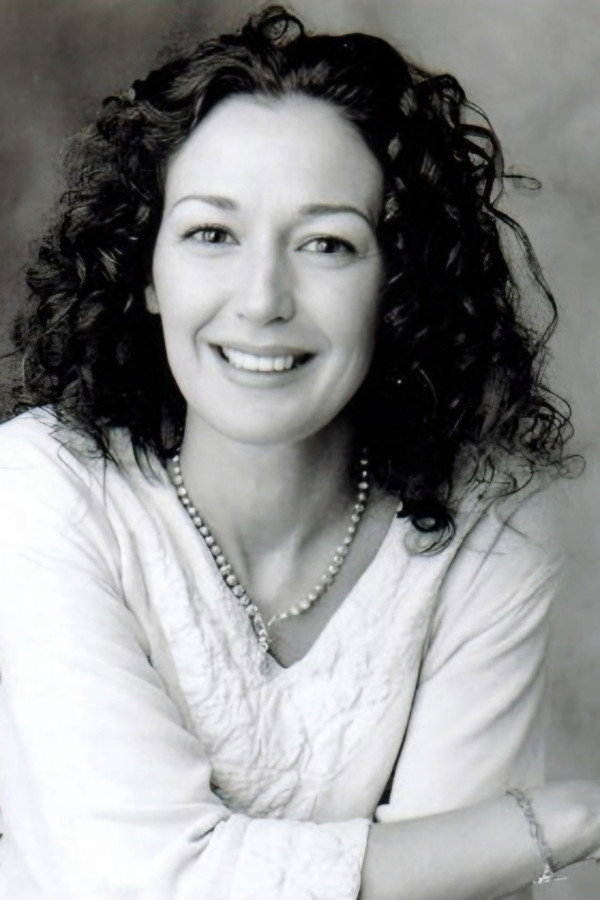
Tabitha St. Germain
Chrysella (voice)

Cathy Weseluck
Janessa (voice)
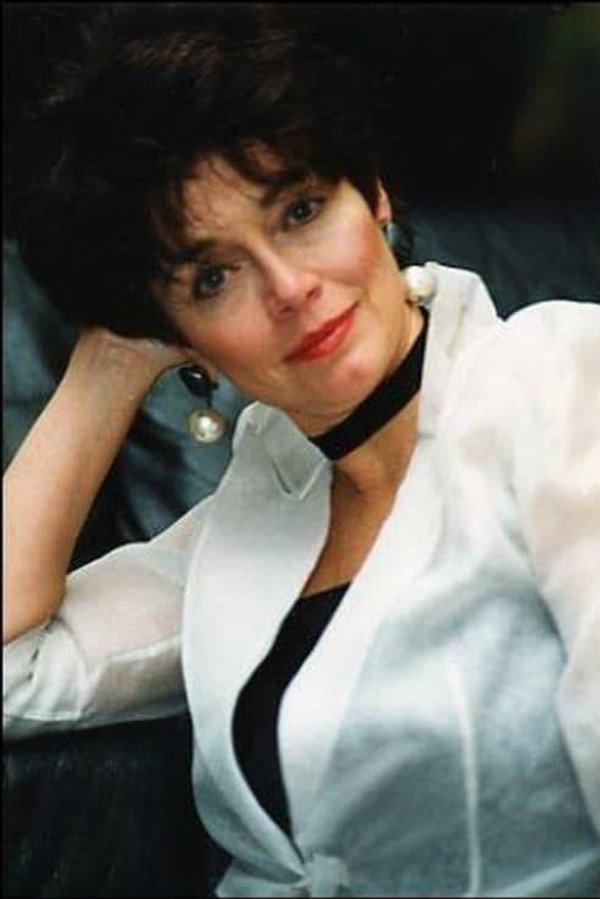
Kathleen Barr
Vanessa (voice)

Peter New
Evan (voice)

Brian Drummond
Poofles (voice)

Louis Chirillo
Myron (voice)

Garry Chalk
Louie (voice)

Mackenzie Gray
Rick (voice)
The message to take away from 'Causeway' is that toxic masculinity can manifest in anyone, no matter what their gender identity is.
The social issues The Half of it takes on are handled well, between the antagonization brought on to Ellie for her race and the conflict that arises from her being gay. Both aspects of her character are built up over the course of the film and don’t seem abrupt or rushed. The film shows racism towards Ellie and her and father in varying levels, from having her schoolmates specifically address her as "Chinese girl” to the fore mentioned way her Dad is treated due to language barriers. The same can be said about Ellie being a lesbian. While she never truly “comes out” in the narrative, that does not undermine her journey of self-discovery from being meaningful. These ideas aren’t thrust upon the viewer in a preachy manor, the scenarios that occur feel believable given the rural setting. The film presents watchers with problems whom those like Ellie may face, and leaves us to sit with them and reflect.
Perhaps the most amazing and groundbreaking quality about The Birdcage is how removed it is from both illness and insensitivity. Whereas films preceding it were often somber stories about the tribulations of being gay in a conservatively straight world, Nichols and screenwriter Elaine May expose the fallacies of conservatism as traditional values are thrown into a more open-minded space. They don’t care how far the community has fallen so much as how high they can rebuild themselves.
Films can alleviate alienation by presenting realities where the viewers feelings are shared by onscreen characters. The film 'Shrek' can be interpreted as a transgender story.
In all actuality, “Just Mercy” should be labeled a “wall punching narrative.” Constantly, the flick throws high forms of adversity our way, amping up our most inner levels of discomfort. Filmmaker Destin Daniel Cretton wonderfully paces the film in such a way that replicates the slow-burn nature of justice.
The film basically says she was a lost cause from the start. We don't get a sense of who Marilyn was.