


The Women and the Murderer: Made by Women for Women
In The Women and the Murderer, directors Mona Achache and Patricia Tourancheau center women—the very demographic true crime is designed to appeal to.
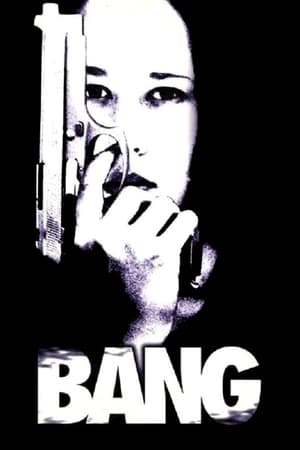


A young woman in L.A. is having a bad day: she's evicted, an audition ends with a producer furious she won't trade sex for the part, and a policeman nabs her for something she didn't do, demanding fellatio to release her. She snaps, grabs his gun, takes his uniform, and leaves him cuffed to a tree where he's soon having a defenseless chat with a homeless man. She takes off on the cop's motorcycle and, for an afternoon, experiences a cop's life. She talks a young man out of suicide and then is plunged into violence after a friendly encounter with two "vatos." She is torn between self-protection and others' expectations. Is there any resolution for her torrent of feelings?
In The Women and the Murderer, directors Mona Achache and Patricia Tourancheau center women—the very demographic true crime is designed to appeal to.
There were too many irrelevant parts that could have been shortened, and too many characters that didn't advance the plot. Either way, some things didn't add up. This was just another played out plot with little, if any, originality in it. By the end of the film, I wasn't happy that she finally got her freedom, I was happy that it was finally over.
'Riders of Justice' perfectly depicts some masculinity problems present in our society. Moreover, it talks about how hard is to lose someone and how different people deal with the situation.
Eloquent and informative, Hajera Sheikh’s documentary Kathak: Dancing With Taboos tells a story of love for one’s culture and perseverance through adversity.
How closely should film adaptations follow their source material? Let's take a deep dive into "Norma Rae", and find out.