







“We Are Pat” (2025): Reclaiming a Controversial 90s Icon
Can a piece of bad representation truly be reclaimed? We Are Pat (2025) attempts to answer this question.
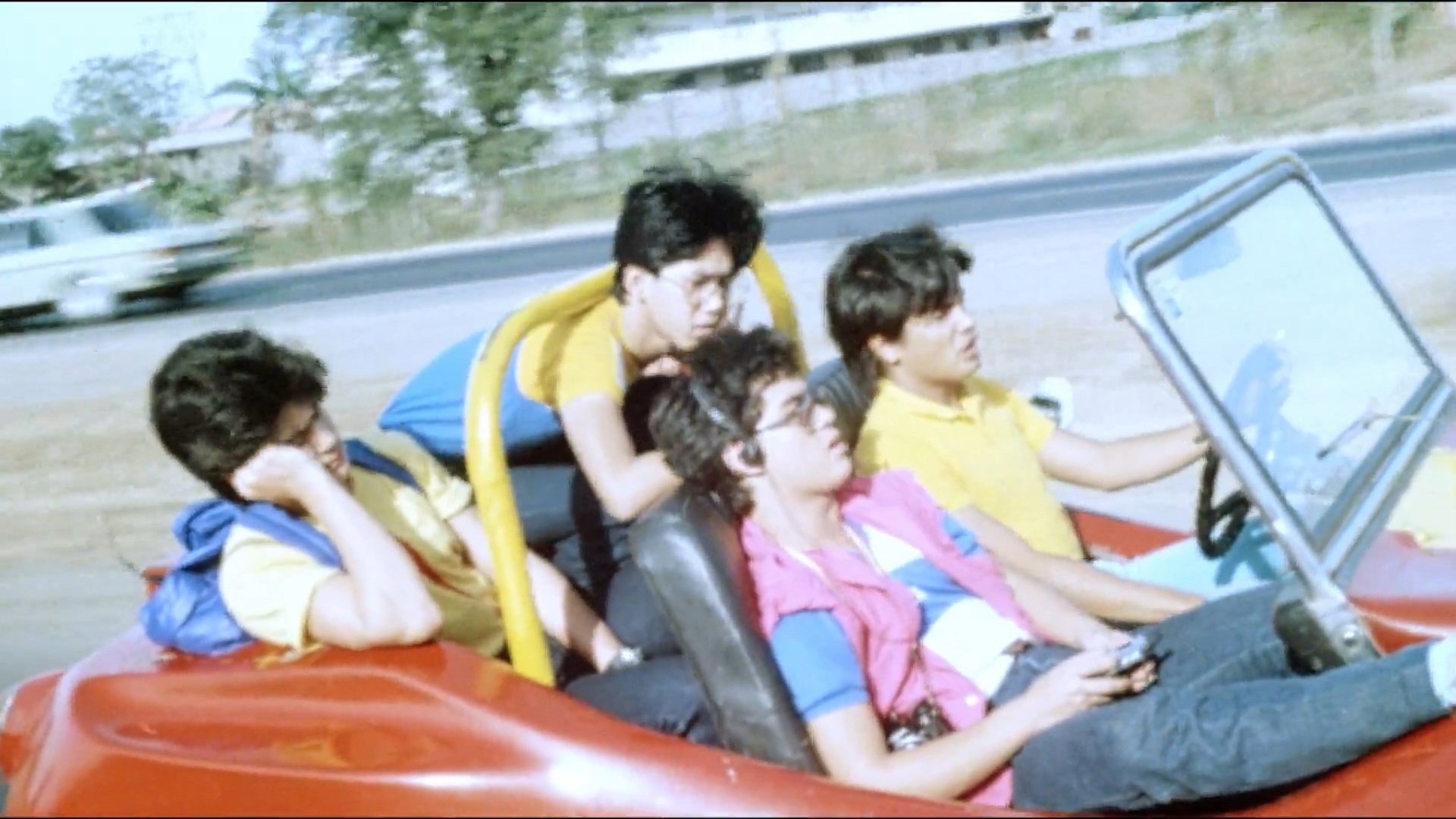
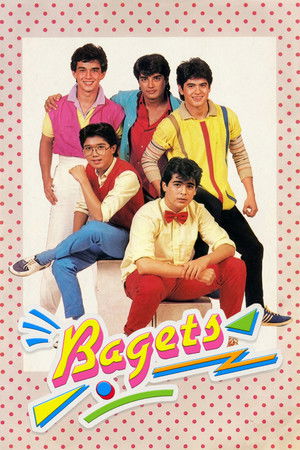


Experiencing the forbidden. Experiencing rejection. Hating your parents. Hating the world around you. Discovering what's hot. Discovering what's cool. Discovering your first true love. Discovering who you are. Growing up can be such a wild time. But not when you've got the best guys to hang out with. Five chaste young men immerse themselves in the superficialities and superfluity of adolescence over the course of their last year in high school. But as they make their gradual transition from boyhood to manhood, they realize it is their formidable bond that stands as the real deal.
Can a piece of bad representation truly be reclaimed? We Are Pat (2025) attempts to answer this question.
'Call Me Kate' is for the fans. It's an intimate account of an iconic film star.
With The Father, writer-director Florian Zeller- who wrote and developed the play upon which the film is based- pulls no punches as he confidently makes every effort to put the audience in the mind of someone whose grip on reality has all but vanished. It’s a dazzling testament to Zeller’s abilities as a director as he makes his first transition from stage to film appear as if he’s been working behind a camera his entire career. The dialogue he fashions with co-writer Christopher Hampton, along with the work of production designers Peter Francis and Cathy Featherstone, collectively makes the downward spiral of dementia startlingly tangible, doing so in a way that can be comprehended by everyone except the person it directly affects.
The original Mothra is a fun monster movie that has way stronger lore, music, and special effects than most of its contemporaries.
Some people’s first introduction to Mira Nair might be as New York mayor Zohran Mamdani’s mom. But with her insightful direction of 1991’s Mississippi Masala, Nair shows how much she deserves to be known as an artist. Delivering a nuanced portrait of a romance between a Black man and an Indian woman living in the South, Nair explores the complications each character faces, giving both equal weight.
Given a choice between a man and a mountain, it’s safer to choose the mountain.