











Inside the 'Diary of a Wimpy Kid: Rodrick Rules'
The sequel to the 2010 live-action movie focuses on sibling rivalry.

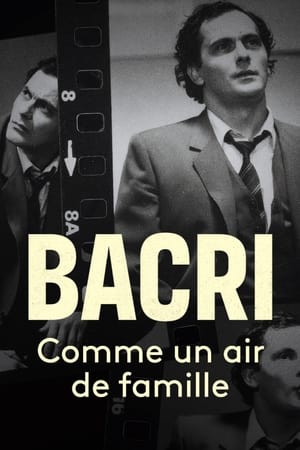


Jean-Pierre Bacri was never happy about anything. But beyond the caricature of the grumpy man, from his apprenticeship years to his death in January 2021, this film tells the story of this quintessential Frenchman: a man turned towards others, an actor by accident, a moralist by vocation, who was left unaffected by flattery and false honors by success, and ready for all kinds of anger when it was necessary to speak out against injustice and stupidity. The film tells the story of how Jean-Pierre Bacri's life changed several times: from Algeria to France when he was eleven years old in 1962; from bank clerk to apprentice theater actor; from Pieds-noirs film star to screenwriter for Alain Resnais; and from Cannes playboy to Agnès Jaoui's mad lover, the most decisive encounter for his life as well as for his work
The sequel to the 2010 live-action movie focuses on sibling rivalry.
'Do Revenge' offers a 2022-relevant sociopolitical commentary that decries virtue signaling while promoting the inclusive virtues the nefarious power structures exploit.
Overall this movie was an easy watch, but by no means a worthwhile watch.
This young adult movie focuses on relationships in this high school reunion.
Despite the film’s efforts to reframe its heroine with modern complexity, a certain emotional distance lingers.
Coralie Fargeat once said that “Being a woman is body horror,” and when you think about the ways we are taught to experience our own bodies, it becomes almost impossible to argue with her.