







Once Upon a Time in (White) Hollywood
Tarantino's alternative history of the 1960's uncritically repeats the era's sexist and racist stereotypes.
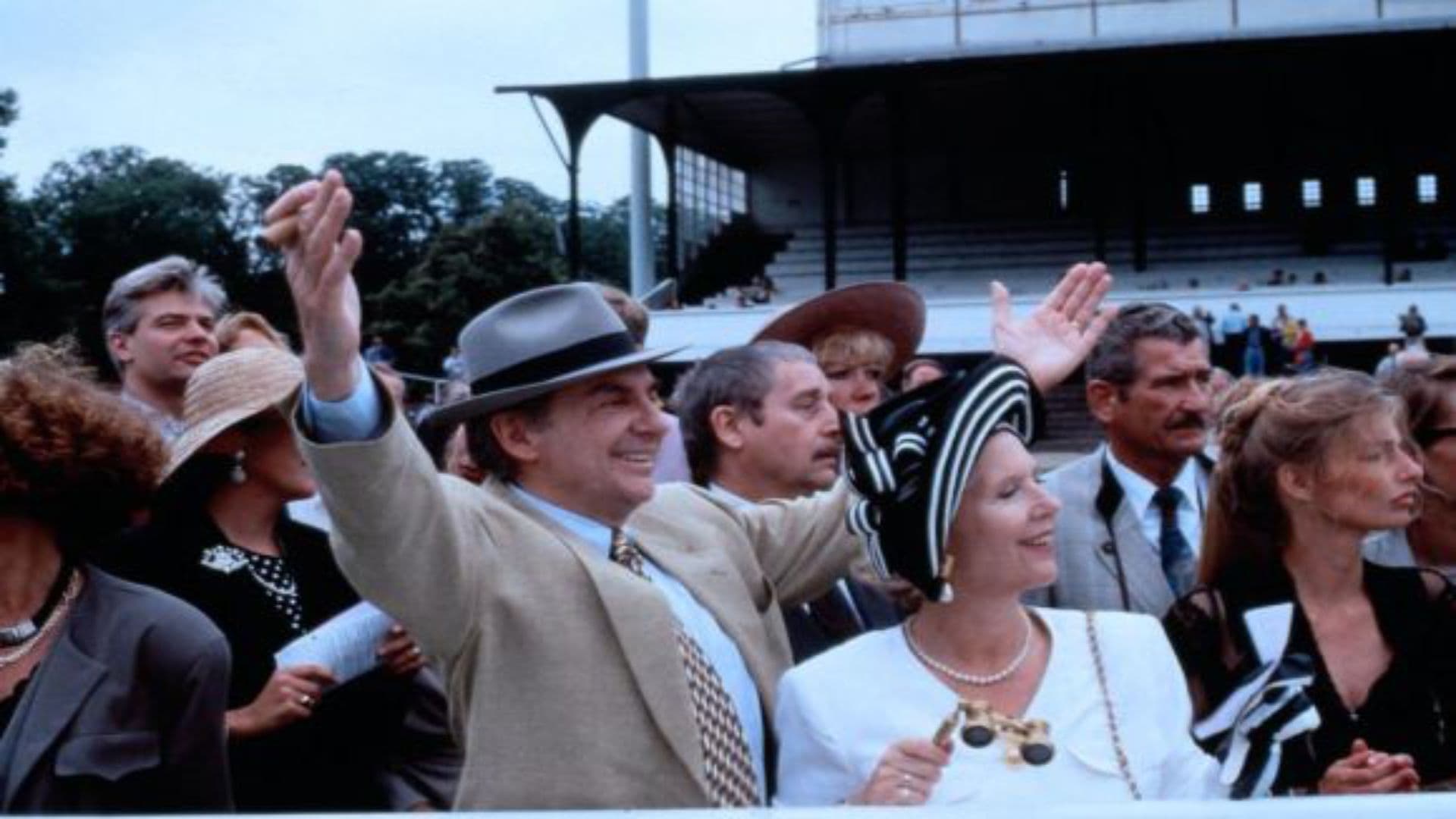
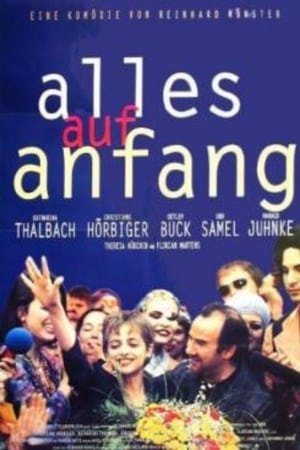


Movie-making cliches are parodied in this German comedy which features to warring actresses, meddling producers, indulgent directors, and an ignored writer. Not only must they contend with each other, they must also deal with the bankers who have the power to shut them down at any moment. The story begins at the premier of director Viktor Rote's newest film "The Tin Cat," which stars his popular wife Riki Rote. The film's writer and Viktor's brother Richard is miffed when he is not allowed into the screening. Viktor's ambitious mistress and aspiring star the Nina is also not invited in. The film is a hit so Rote is allowed to begin his new film by producer George Kuballa. George is also head of the studio. His rich and frequently rejected wife is Lore, a major financial studio backer who prefers spending her time consorting with her handsome young chauffeur.
Tarantino's alternative history of the 1960's uncritically repeats the era's sexist and racist stereotypes.
There’s enough evidence to insinuate that What We Do in the Shadows is intentionally queer-coded.
A pampered dog who gets lost and has to learn to live on his own while being flexible with surroundings.
An original animated movie in the Wimpy series based on the book Cabin Fever.
The gentle, emotional nuances of Evan’s coming-of-age story would have been so beneficial to have incorporated into the life of a POC character. Showing a Black, Asian or Latino young man that is afforded the space to be vulnerable, flawed and sensitive while driving a compelling and widely-loved narrative would have been a game changer.
Make no mistake about it, Gilligan has created a continuation that earns its place in the annals of Breaking Bad lore. El Camino isn't a forced entry in an otherwise brilliant world of fiction. This is a satisfying take, which manages to give closure to an iconic character of fiction.