

'Slumber Party Massacre': Gory, Fun, and Feminist Slasher Remake
Slumber Party Massacre is a gory film with just enough commentary on sexist excuses, the validity of women's voices, and the inherent feminism of the slasher.
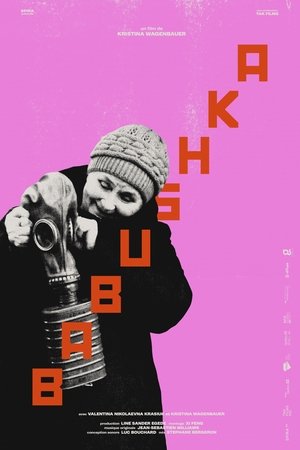


Twenty-five years after she moved away, Canadian filmmaker Kristina Wagenbauer (a participant in the 2019 Talent Lab) returns to her native Russia to visit her grandmother – her Babushka – with whom she spent part of her childhood, in this film brimming with tenderness and humour. The two women reflected in the mirror bear an undeniable resemblance, and each seeks to recognize herself in the other. Plumbing her memories, Wagenbauer hopes to re-establish a lost bond of intimacy and to confront the wounds of the past. Babushka has survived the Second World War, the break-up of the Soviet Union, the void that her daughter and granddaughter left behind when they moved abroad, and, more recently, the death of the love of her life. Despite all of this, she holds to life with a strong spirit of resilience.
Slumber Party Massacre is a gory film with just enough commentary on sexist excuses, the validity of women's voices, and the inherent feminism of the slasher.
This current year, as well as the past several, has seen a slowly building increase in something the horror genre has required for quite a while in this critic's opinion...originality. I've stated before that I am very hard to please when it comes to this vein of the film industry's offerings, always leaning more towards that which sends chills through my very being in lieu of buckets of blood and gore.
The enthralling prequel and 5th installment in 'The Hunger Games' film franchise.
Remember Caroline from Vampire Diaries? Well, now she’s The Suitcase Killer, allegedly.
Trolls: World Tour doesn’t just pay lip service to diversity and inclusiveness. There is no white-washing of the voice actors. From the actual K-Pop group Red Velvet voicing the K-Pop Troll bounty hunters to Keenan Thompson playing the Tiny Diamond baby to Kunal Nayyar’s Guy Diamond, the cast includes more than just token minorities.
Although Christmas is a time of year for love and cheer for all, holiday cinema has not always represented diverse communities. Being a holiday with Christian origins, much of its media consists of straight white families or straight white romances. Luckily, modern years have been bringing with them plenty of POC and LGBTQ+ representation that the holidays so desperately need.