

Once Upon a Time in (White) Hollywood
Tarantino's alternative history of the 1960's uncritically repeats the era's sexist and racist stereotypes.
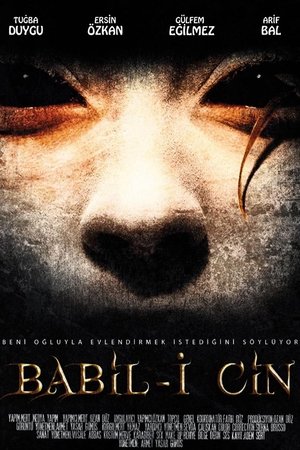


Babil-i Jinn tells the story of a woman who had nightmares when she was haunted by demons. Ela is haunted by jinn when she is still a child. Ela, who sees an old woman in her dreams, tells that the woman wanted to marry her son and invited him to an old church. The teacher, who saves Ela from her nightmare, tells her that she should never marry. But when Ela turns 26 and gets engaged, the nightmarish days begin again.
Tarantino's alternative history of the 1960's uncritically repeats the era's sexist and racist stereotypes.
Chickenhare and the Hamster of Darkness explores true identity through exploration.
“Candyman ain't a 'he.’ Candyman is the whole damn hive." Candyman represents all Black victims of white supremacy, and this art form narratively conveys it in a succinct, adulatory way, the history of which is rare to find.
Adventure Time, Legend of Korra, Steven Universe, The Loud House, The Hollow, OK-K.O.! Let’s Be Heroes, The Dragon Prince, etc!
Mahershala Ali and Naomie Harris, with an economy of language, but a world of expression, weave us inside this futuristic tale of how your “one true love” may exist in the future in Benjamin Cleary's 'Swan Song.'