





Rallies and Musical Numbers: Hairspray Unpacks Racism in The 1960s
The multifaceted musical represents America in the 1960s and the battle against bigotry as an ensemble cast portrays how to fight for the limelight.
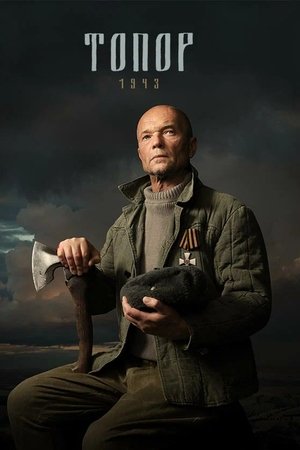


1943. On the eve of the Red Army offensive, Captain Belov's group, which includes Ivan Rodin, accidentally discovers a disguised tank division near the village of Anino. The scouts understand that only they know about the ambush arranged by the Germans. The wounded Belov orders Ivan to reach the Soviet command and warn them of the danger. He reports to the headquarters about the tanks he saw and even reproduces the tactical number of the division, but the front command does not believe him. Suspecting Ivan of misinformation and working for the Germans, the military sends him under arrest. Colonel Alyoshin tries to save his friend: thanks to his perseverance, the command sends another group to Anino — Ivan becomes the guide, and Odintsovo leads the detachment.
The multifaceted musical represents America in the 1960s and the battle against bigotry as an ensemble cast portrays how to fight for the limelight.
Marvel’s first Asian superhero film, 'Shang-Chi', deserves praise for balancing epic superhero action, a heartfelt family plot, and positive Asian representation.
The enthralling prequel and 5th installment in 'The Hunger Games' film franchise.
"Driveways" is a nuanced portrait of an Asian American family, touching on themes of loss, growth, and belonging.
The live-action remake brings adventure and shows viewers why representation is important in a Disney Princess movie.
I highly recommend Kill Bill: Volume 2. In classic Tarantino fashion, specific sections of the film are a tad too long, but overall, it’s a wonderful piece of escapist fiction.