

Entitlement and the Food Industry in 'The Menu'
'The Menu' has a strong story. The 5 acts, which are defined by the courses, are an excellent subversion of the classic 5-act film structure.
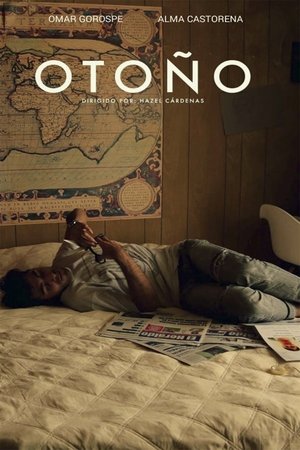


Joaquín moves to a new apartment and falls in love with his neighbor Raquel. Three months go by and Joaquín still doesn't dare to speak to her, he is content to listen to her play the violin at the same time every day. It is December and finally Joaquín decides to leave a letter under her door inviting her to dinner, but Raquel has died two months ago.
'The Menu' has a strong story. The 5 acts, which are defined by the courses, are an excellent subversion of the classic 5-act film structure.
We sat down with Writer/Director Albert Acosta to discuss his debut short film, (ha-ha), Acosta's foray into narrative cinema, and how his personal experiences have shaped his filmmaking philosophy.
A refreshing twist is that all the kids’ powers are…kind of useless. There’s a kid who can only move in slow motion, a kid who has every power in the world but can only use them randomly, and our main character Missy who has no powers at all. The thesis of the film seems to be that it doesn’t matter what kind of powers you have, its the way you use them, which is good for the warm and fuzzies.
As many of us know, Marvel Studios has taken an interest in women-led superhero films, but some of us are oblivious to the women behind the camera and pen.
The Chronology of Water is a raw, honest, and unforgiving portrayal of how an abusive childhood ripples throughout one’s life. It is definitely the best movie I’ve seen Imogen Poots in. And even though Kristen Stewart has a long acting career for her young age, her directorial skills in this film show a lot of promise. Her feature debut as a director, an adaptation of Lidia Yuknavitch's critically acclaimed 2011 autobiographical memoir, is fully immersive, mesmerizing, and impressive.