

'La Loca Y El Feminista' (MiamisFF Review): A Necessary Dialogue
She is being made to justify why she doesn’t believe he’s a feminist, instead of him having to justify his choice to claim he is one.

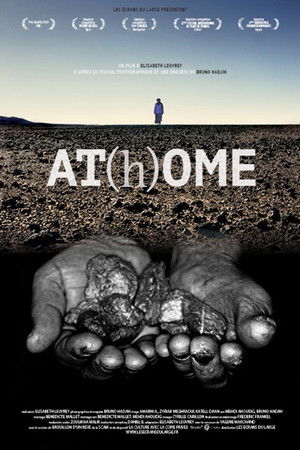


More than fifty years after the end of the war, a filmmaker and a photographer, coming from the two camps of conflict and children heirs of Franco-Algerian colonial history, took us back in 1962 to the Algerian Sahara. From a desert zone irradiated to the suburbs of Algiers, they follow the course of an experimental nuclear explosion. From the trial to the accident, from the environmental impact to the "recycling" of the places of the past ... The starting point is historical but the story told catches up with us in the present and comes to seek us where we are - at home - for a face to face with fallout without borders.
She is being made to justify why she doesn’t believe he’s a feminist, instead of him having to justify his choice to claim he is one.
The Forge is a moving story about a young man’s search for purpose. Through mentorship, discipline, and faith in God, his life is transformed from confusion into clarity, reminding us that true greatness is shaped in the fire of surrender and growth.
Even after a history changing event, the 93rd Oscars proved it always had the space for more inclusivity in its award ceremony. But it this enough to change the boycott?
Welcome to the first episode of the Incluvie Movie Highlights! We shine a spotlight on our favorite new movies that stand out for diversity and identity. Is Everything Everywhere All at Once too weird, or just the right amount of weird?
The plot could’ve really been interesting if the elements of lycanthropy was integrated with perhaps the struggle of identity of being LGBTQ+. It's an experience for so many that as they’re starting to realizing their true selves, they feel like a monster, especially if they come from unsupportive homes or communities. Instead, the horror and transformation elements seem thrown in without contemplation of how this could deepen the narrative.
For many people, Disney+’s debut show, The Mandalorian, was a breath of fresh air for the Star Wars universe. The Disney Gallery shows audiences how that show came to be.