‘Barbenheimer’: The Union of Diverse Filmgoers
Much more than a meme, 'Barbenheimer' actually diversifies viewer bases and spreads the important message of both films wider than they otherwise would have!
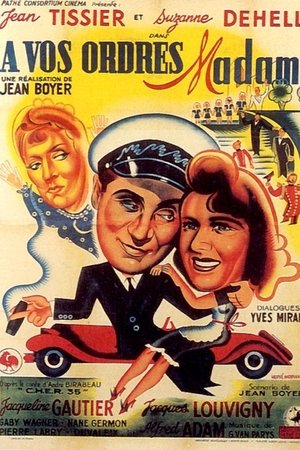


Hector and Odette Dupuis' car breaks down in the middle of nowhere, but not far from a luxury hotel. The couple are well off but, being miserly, Odette is determined to keep her budget tight. Fortunately for her, the hotel offers rooms for domestics costing only 35 francs, so she decides to pass her husband as her chauffeur. As far as she is concerned, Odette presents herself as Baroness de Garches and takes a 250 franc room. But their stay soon becomes complicated. For instance, Palureau, a widower with five daughters who is planning to remarry, starts courting the 'baroness'. And that is not all since at the same time Angèle, a chambermaid, makes advances to Hector ! To make matters worse, Ferdinand, Angèle's boyfriend, decides to get even with Hector, his 'rival'. The jealous guy steals a jewel from a guest and has poor Hector accused of the theft.
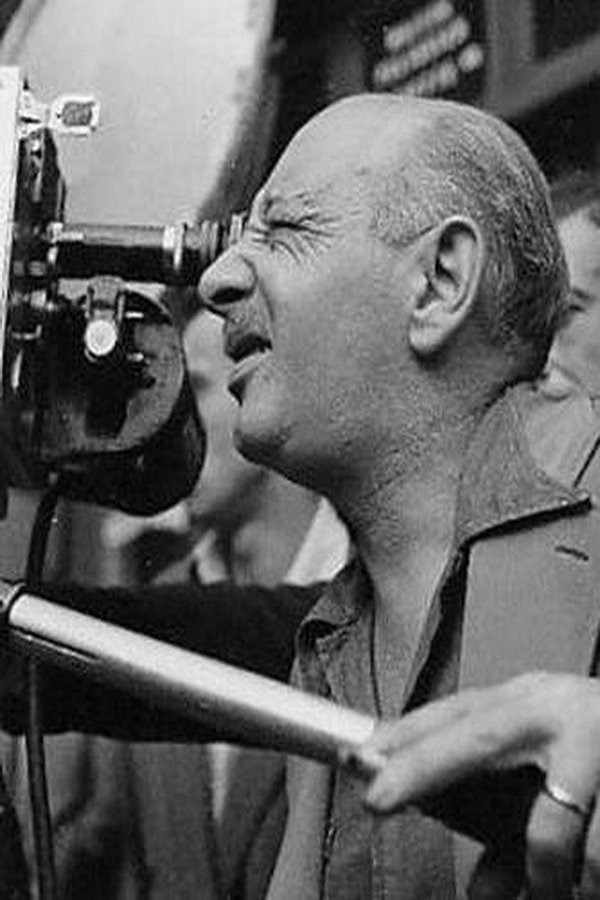
Jean Boyer
Director


Jean Tissier
Hector Dupuis
Suzanne Dehelly
Odette Dupuis
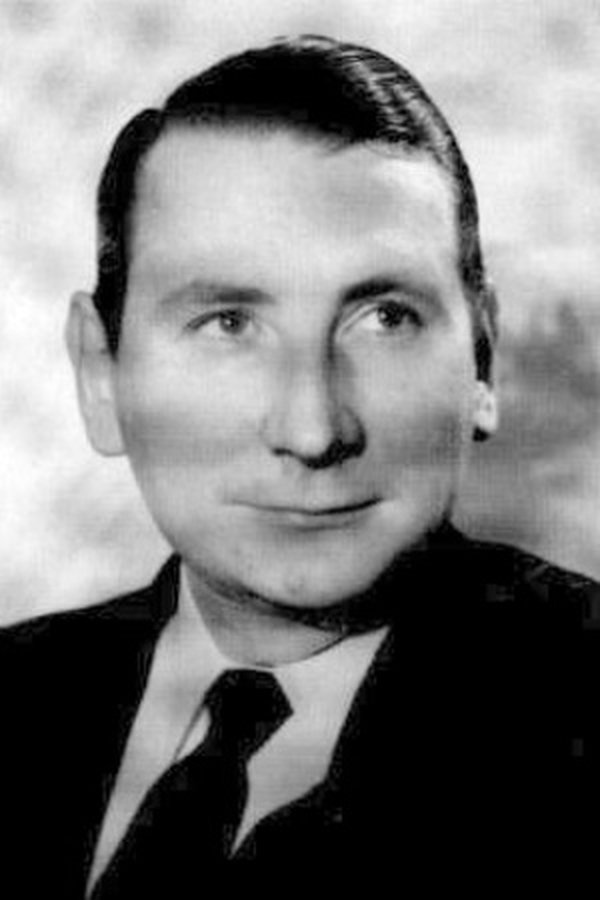
Alfred Adam
Ferdinand
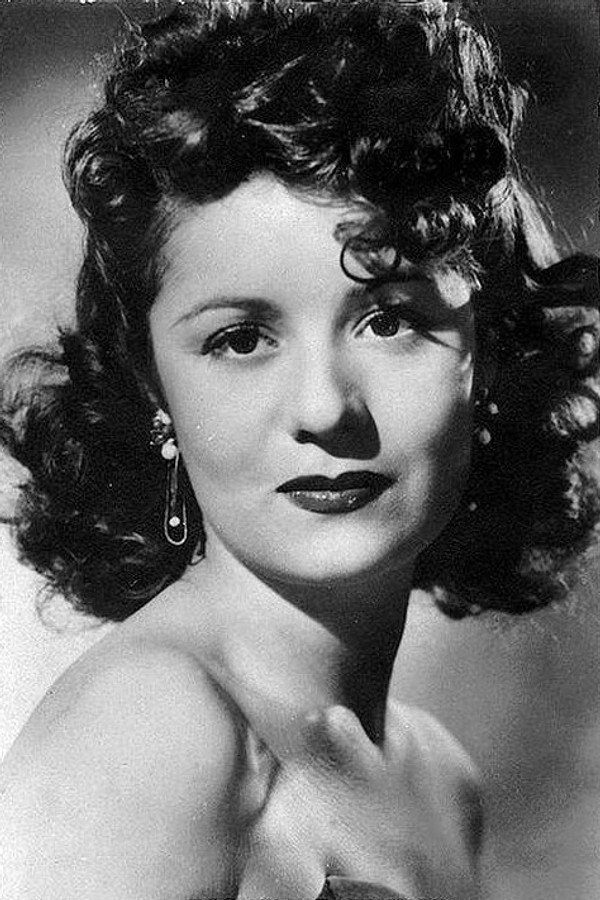
Jacqueline Gauthier
Angèle
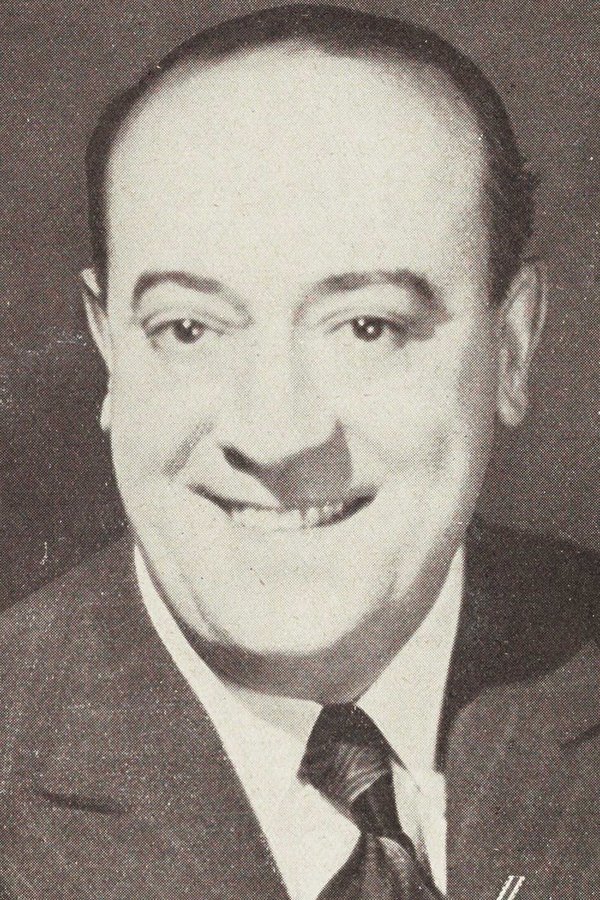
Albert Duvaleix
Le portier

Gaby Wagner
La cocotte du 27

Gaston Modot
Le garçon d'étage
Mathilde Alberti
Une bonne
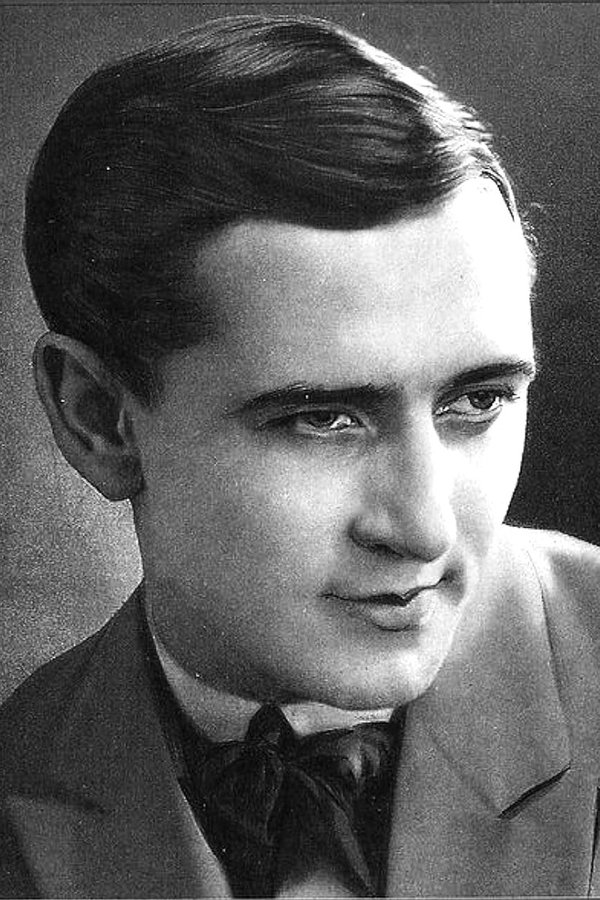
Jean-Louis Allibert
Le directeur de l'hôtel
Fernand Blot
Un chauffeur
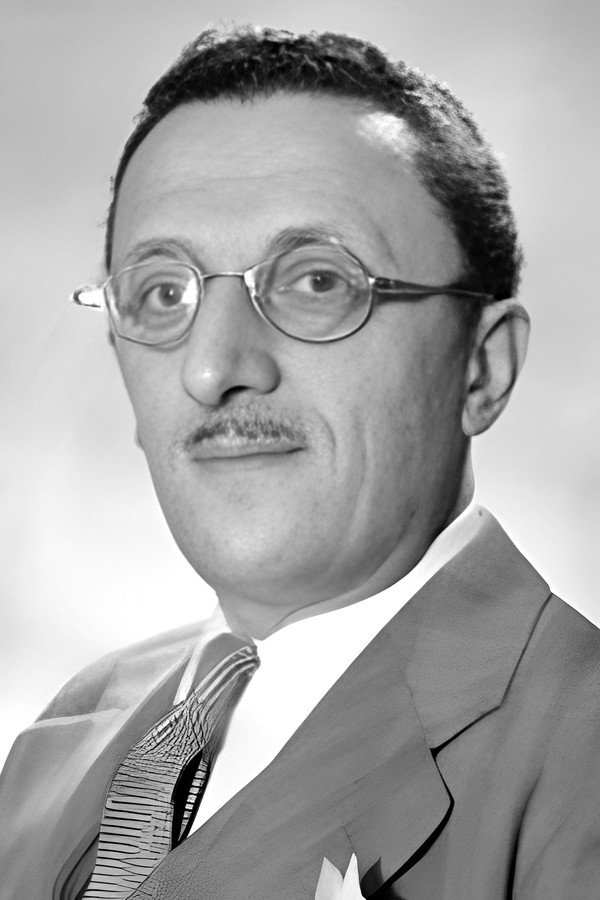
Léonce Corne
Victor
Much more than a meme, 'Barbenheimer' actually diversifies viewer bases and spreads the important message of both films wider than they otherwise would have!
During the third act, the momentum stalls, largely due to the film’s obsession with Kubrick’s visual design. But all in all, Doctor Sleep is a cinematic success, defined by rich characters and high powered emotion.
By depicting 4 different stories, Director Sergio Tovar Velarde keeps the focus on the shared humanity and search for love (both self and romantic) of various gay Mexican men.
The movie is centered around the title character who goes on a Christmas adventure.
After years of silence, trauma, and backlash, Rose McGowan tells her own story in this miniseries.
It’s dark, uncomfortable, and there are things that don’t make sense.