“Omaha”: Innocence Broken by Economic Injustice
Omaha reminds us of what it can feel like to look at old family photographs. You sit with the bittersweetness, allowing it to wash over you; not drowning in it, but certainly affected by it.



As children, sisters Helen Mathews and Mary Mathews couldn't be more dissimilar--Helen is selfish, thoughtless and self-centered, while Mary is exactly the opposite. Later, Helen--out of spite--steals Mary's boyfriend. May has enough and leaves home to become a chorus girl in New York City. She eventually becomes a star and attracts a young millionaire, Philip Pierce, but--to the astonishment of the other chorus girls--she turns him down. Philip, however, doesn't intend to take this rejection without a fight.

Christy Cabanne
Director


Billie Dove
Mary Mathews
Frances Hess
Helen Mathews, as a Girl
Elizabeth North
Helen Mathews

Miriam Battista
Mary Mathews, as a Girl
Margaret Foster
Mrs. Mathews
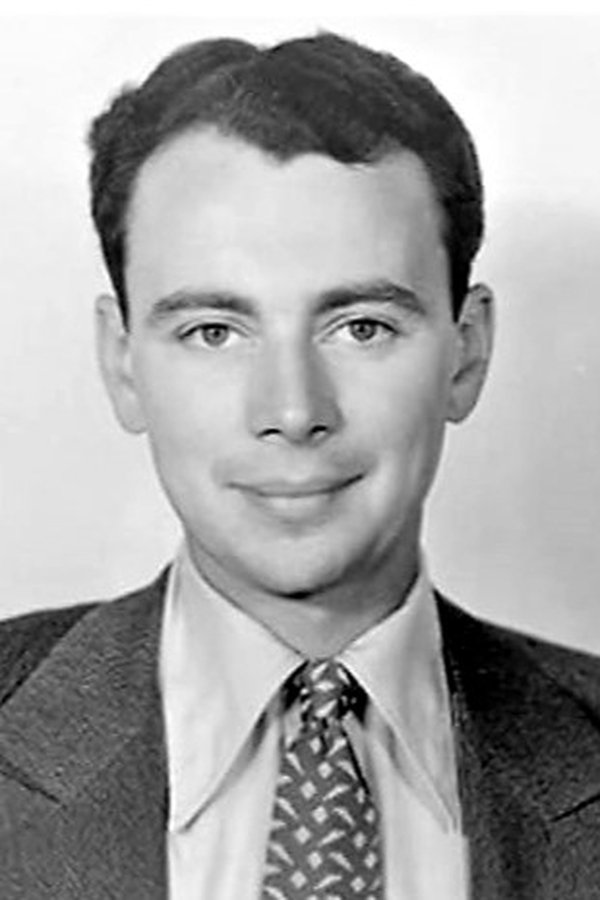
William Collier Jr.
Arthur Bates

Carlton Griffin
George Andrews
Myrtle Maughan
Grace Mortimer
Charles Craig
John Brooks
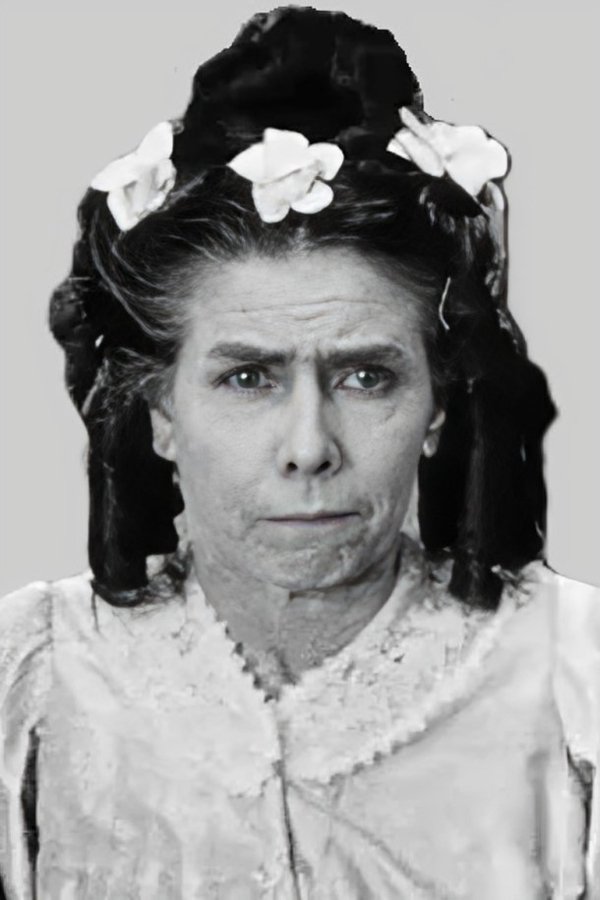
Vivia Ogden
Mrs. Reade

Billy Quirk
Harold Reade
Omaha reminds us of what it can feel like to look at old family photographs. You sit with the bittersweetness, allowing it to wash over you; not drowning in it, but certainly affected by it.
'The Wiz' has the propensity for paying homage to black culture with R&B music, graffiti and jazzy elements that make it incredibly entertaining.
The Summer I Turned Pretty series adapts the beloved trilogy into a bingeworthy TV show and introduces a new generation to Belly, Conrad, and Jeremiah.
The development of existing characters and the addition of some new ones have surely placed 'Ted Lasso' on some sort of an Incluvie A-OK list.
The documentary depicts the indigenous people of Mexico with sublime reverence, highlighting a generational harmony with the land.
Throughout Brendan Fraser’s career, he has played a plethora of unique, layered characters who explore the importance of not being afraid to display your emotions, something that is often seen to not be a masculine trait. This idea of regulating emotion and what traits men are able to possess creates a toxic atmosphere for men who are often told they should not cry or represent their emotions in any physical way. These characters represent that men can be joyful, emotionally conscious, and sensitive, while also representing their masculine identity instead of painting those qualities as fighting against their masculinity.