What We Do in the Shadows (of Our Closet Walls)
There’s enough evidence to insinuate that What We Do in the Shadows is intentionally queer-coded.



A teleplay based on the play of the same name by E. Volodarsky.
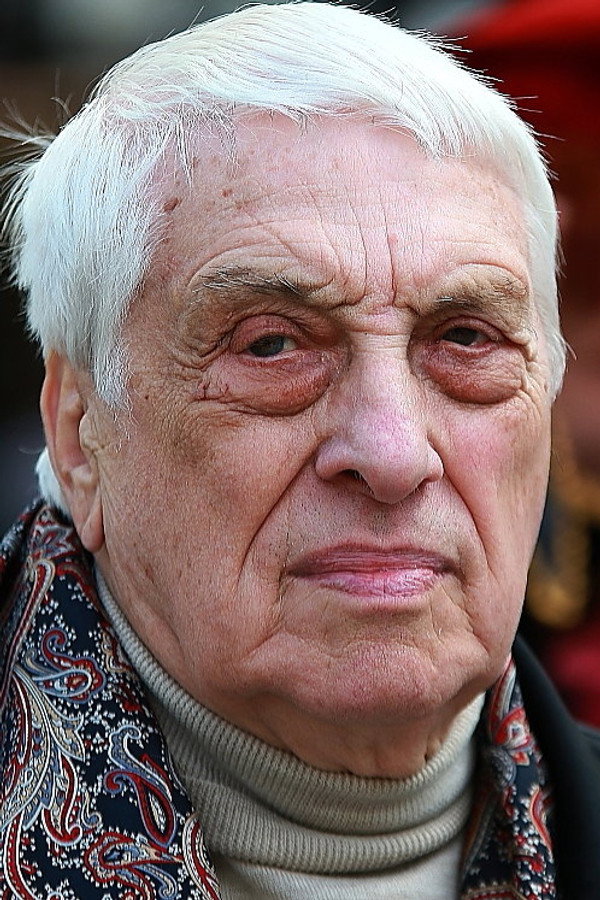
Eugene Radomyslensky, Feliks Glyamshin
Director


Irina Miroshnichenko
Любовь Крохина
Vladimir Privaltsev
Федор Иванович

Anastasiya Zuyeva
Варвара Антоновна

Boris Shcherbakov
Борис Крохин

Mikhail Efremov
Боря Крохин в юности

Aleksandr Serskiy
Виктор Крохин

Aleksandr Strizhenov
Витя Крохин в детстве
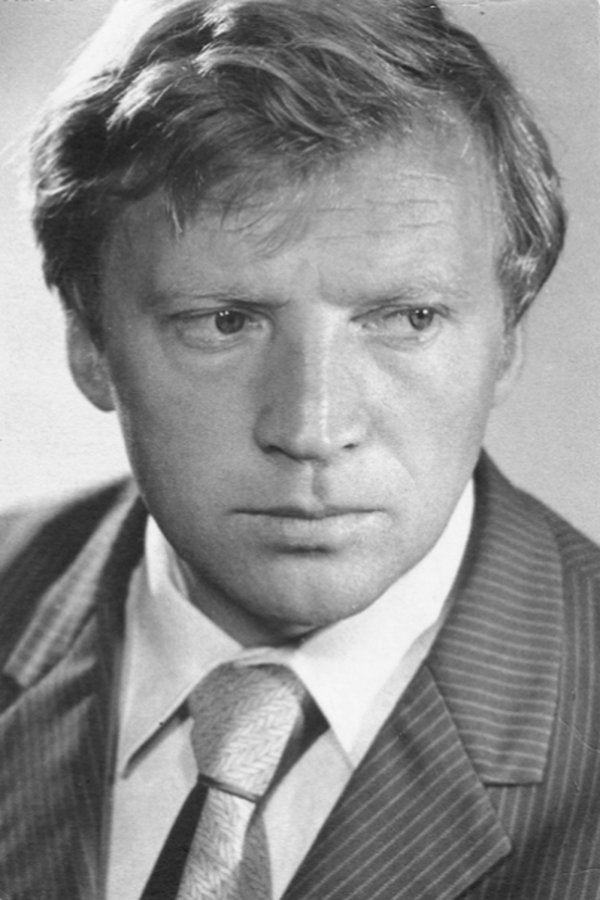
Nikolay Penkov
Сергей Андреевич
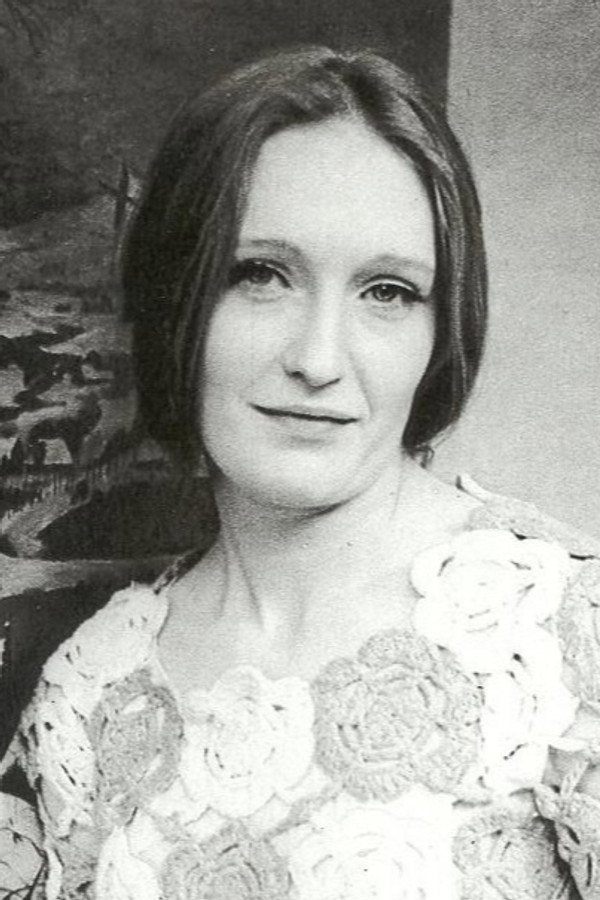
Olga Barnet
Саша

Gennadiy Kochkozharov
Степан Егорыч

Anatoly Semenov
Игорь Васильевич
There’s enough evidence to insinuate that What We Do in the Shadows is intentionally queer-coded.
The gentle, emotional nuances of Evan’s coming-of-age story would have been so beneficial to have incorporated into the life of a POC character. Showing a Black, Asian or Latino young man that is afforded the space to be vulnerable, flawed and sensitive while driving a compelling and widely-loved narrative would have been a game changer.
Ripley is a great character because she serves two distinct, but rewarding, purposes in the original film and the sequel.
As a whole, Sightless pushed boundaries between illusion and reality. It made viewers question if there really is a difference. Ellen was strong, brave, and even compassionate given her situation. She was a force to be reckoned with.
Jeff Aquino’s film “Viral” placed second in 2020’s Incluvie Film Festival fest, he’s back again with his film "An A Peel for Justice".
After We Collided is a sequel to last year’s After, which itself was based on Anna Todd’s 2014 novel of the same name, and which was originally published as a Harry Styles-centric fan-fiction on WattPad (a similar path as E.L. James’ Fifty Shades of Grey series).