






Wish Upon A Star in Disney's 'Pinocchio'
The live-action remake of the classic Disney film based on a wooden puppet is finally here.



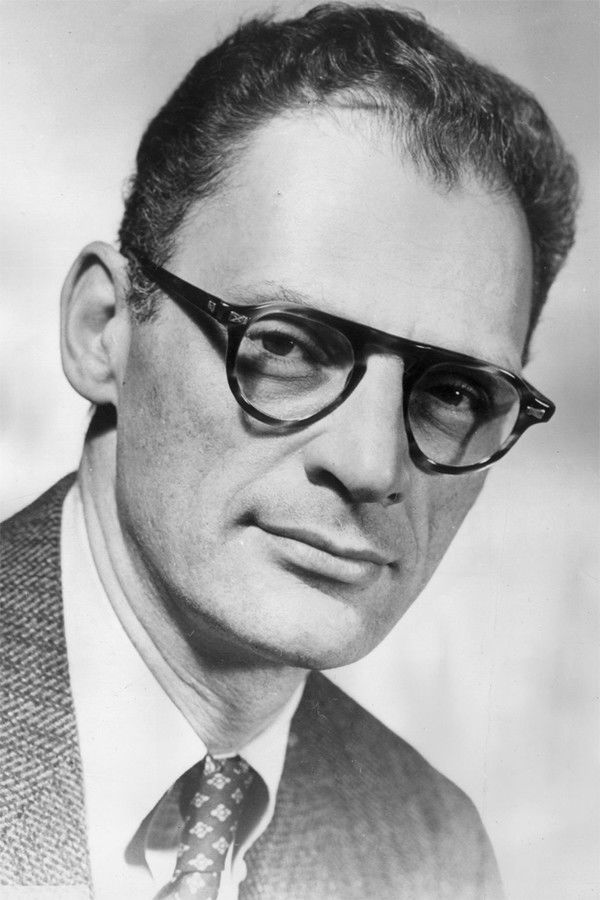
Filmmaker Harry Rasky presents an intimate portrait of Arthur Miller, exploring the playwright’s life, influences, and literary achievements. Through extended interviews, archival materials, and clips from productions of his plays and screenplays, Miller reflects on the themes behind works such as The Crucible and The Misfits, his resistance to McCarthy-era political pressure, and the personal experiences—including his marriage to Marilyn Monroe—that shaped one of the most influential voices in modern American drama.
The live-action remake of the classic Disney film based on a wooden puppet is finally here.
If the message here is that without a support system, grieving people turn into monsters, it’s not really well-delivered and may be flawed as a message itself.
Sorry to Bother You ultimately speaks to the unfair advantages that the country’s power structures award to those with the resources to control others, as Lift’s easy access to the media allows his opinion to be the only one that matters in the eyes of the unsuspecting and easily impressed public. Moreover, it reveals the extent to which the American Dream has any true validity. It postulates how the promise of success and fulfillment as promoted by the American Dream more often than not leads to the undoing of the individual. Interestingly, in its revealing of the American Dream as merely a facade, Sorry to Bother You wisely questions whether or not anything can really be done to undo a system that has been accepted and in action for centuries.
'Reservation Dogs' is stacked with an array of Native American performers and crew telling their own story.
Eternals is an interesting concept and unique visuals, but slow pacing and rushed character development suggests it should have been a mini-series.
Since Season 2 of Peacemaker is currently airing, let’s revisit the movie that started it all.