
The Discreet Insensitivity of ‘Slumberland’
The cultural insensitivity of 'Slumberland' is discreet, and can be easily overlooked in CGI extravaganza.




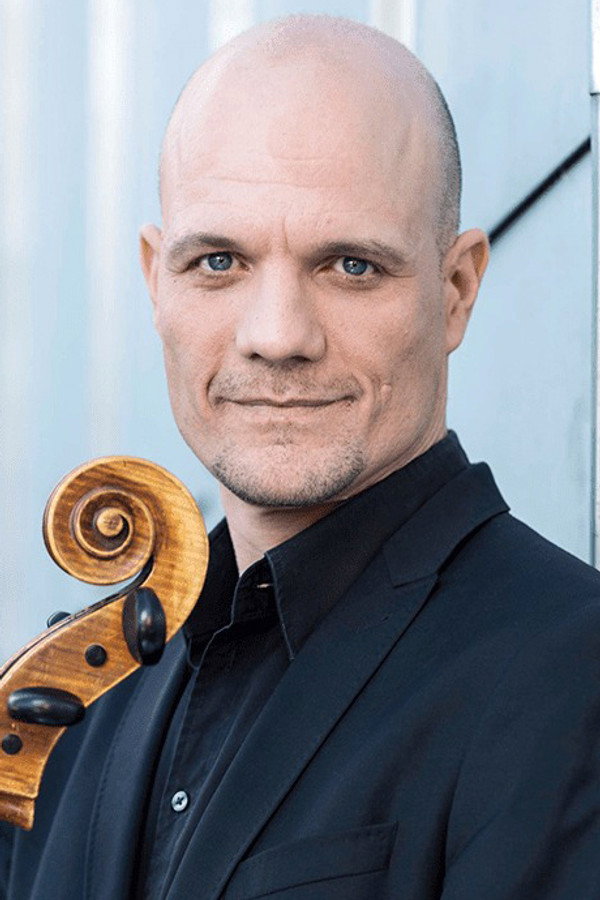
A year-long profile of the Artemis String Quartet. Just before celebrating its 30-year anniversary, the Berlin based Artemis Quartet goes through one of its most turbulent years to date. When the last founding member, cellist Eckart Runge, decides to leave the quartet in 2018, with second violinist Anthea Kreston following his departure, the quartet is shaken to its core. They agree to stay together until the end of the season, giving the remaining members the chance to reconstruct the quartet once more. Will the shared love for music be strong enough for the Artemis Quartet to persevere? Filmmaker Hester Overmars portrays the quartet, its former and new members, throughout this extraordinary year, having full access to their rehearsals, life behind the scenes and international performances. From up close, the film observes how the quartet lives through their reconstruction.
The cultural insensitivity of 'Slumberland' is discreet, and can be easily overlooked in CGI extravaganza.
The film blends reality and the supernatural world together, leaving the viewer unsure of what’s real and what’s merely a figment of Michael’s agitated imagination.
This HBO mini-series asks why a young white man turned to violence and finds no easy answers. But why do we only ask questions about certain kinds of killers?
A few episodes in, I realized the most prominent theme of In The Long Run wasn't culture, race or even finding independence--but the idea of belonging.
Even without the messaging, Mercy does not hold up as a movie. It's sloppily done and the mystery doesn’t tie together at the end.
If you want to feel the rush, you have to take the risk.