





Living in The Real World in 'Dog Gone Trouble'
A pampered dog who gets lost and has to learn to live on his own while being flexible with surroundings.
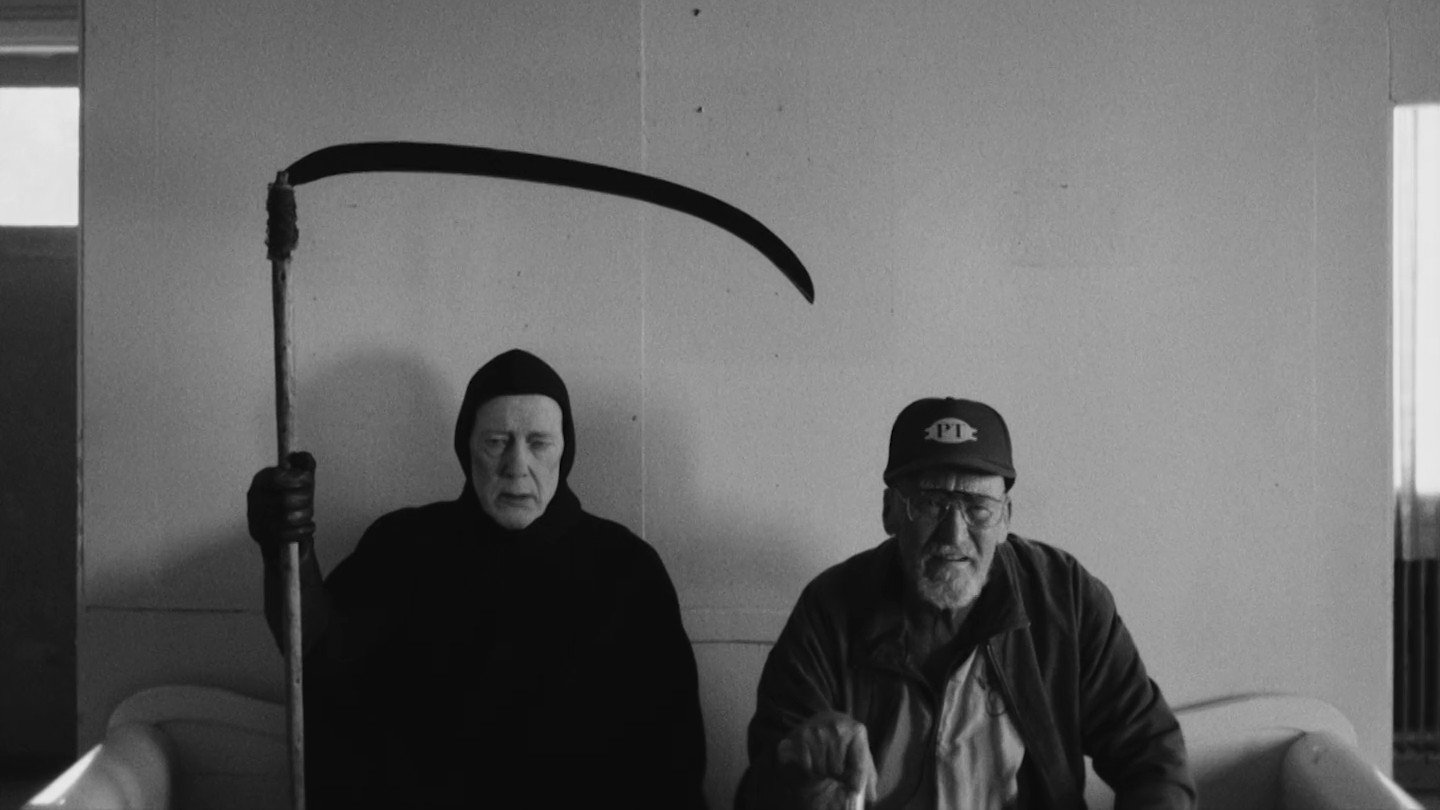
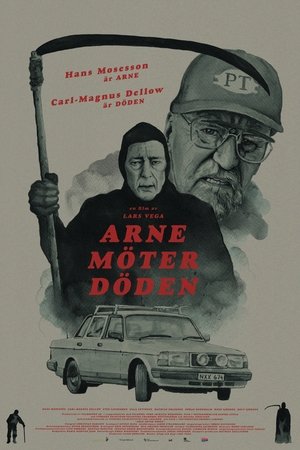


The year is 1995. It knocks on the door of 'Greedy Arne' Nyman's dilapidated house. It is Death who has come to take him. Greedy Arne is not worried of Death, he is more afraid of door-to-door sellers, but first he has something vital to deal with. It will be the beginning of a walk with Death by his side, which continues in an old rusty Volvo 240.
A pampered dog who gets lost and has to learn to live on his own while being flexible with surroundings.
A complete ranking of every Godzilla movie, including shared universe films.
Not only can viewing Not My Dog inspire people to adopt a dog that may be facing tremendous odds, but even that simple action of watching has a social effect.
Netflix’s new rom-com, Voicemails for Isabelle (dir. Leah McKendrick), isn’t just heartwarming, funny, and an achievement in female directing - it’s also an instant classic. Following 20-something aspiring baker Jill (Zoey Deutch), Voicemails for Isabelle tells a story of grief, self-discovery, and fateful connections. Ever since her beloved sister Izzy’s (Ciara Bravo) death, Jill has been leaving her hilarious, extremely TMI voicemails about her chaotic love life and miserable day job as a prep cook. Little does she know that a handsome and unsatisfied real estate agent in her hometown has inherited the number and practically fallen in love with her by listening to her stories.
I believe in homages, but there's a proper way to borrow a creative idea instead of making it appear as if you hit the copy and paste button. Most likely, anyone is better off simply reading the books. Or just put on Scream.
Crazy World gives fans of Wakaliwood movies what they want by playing up the comedy and action just like their movies before.