
Everything The Critics Got Wrong About ‘Pinocchio’
I was able to watch the gleefully mesmerizing Disney remake that was Robert Zemeckis’ Pinocchio. I was enthralled by Zemeckis’ iteration.
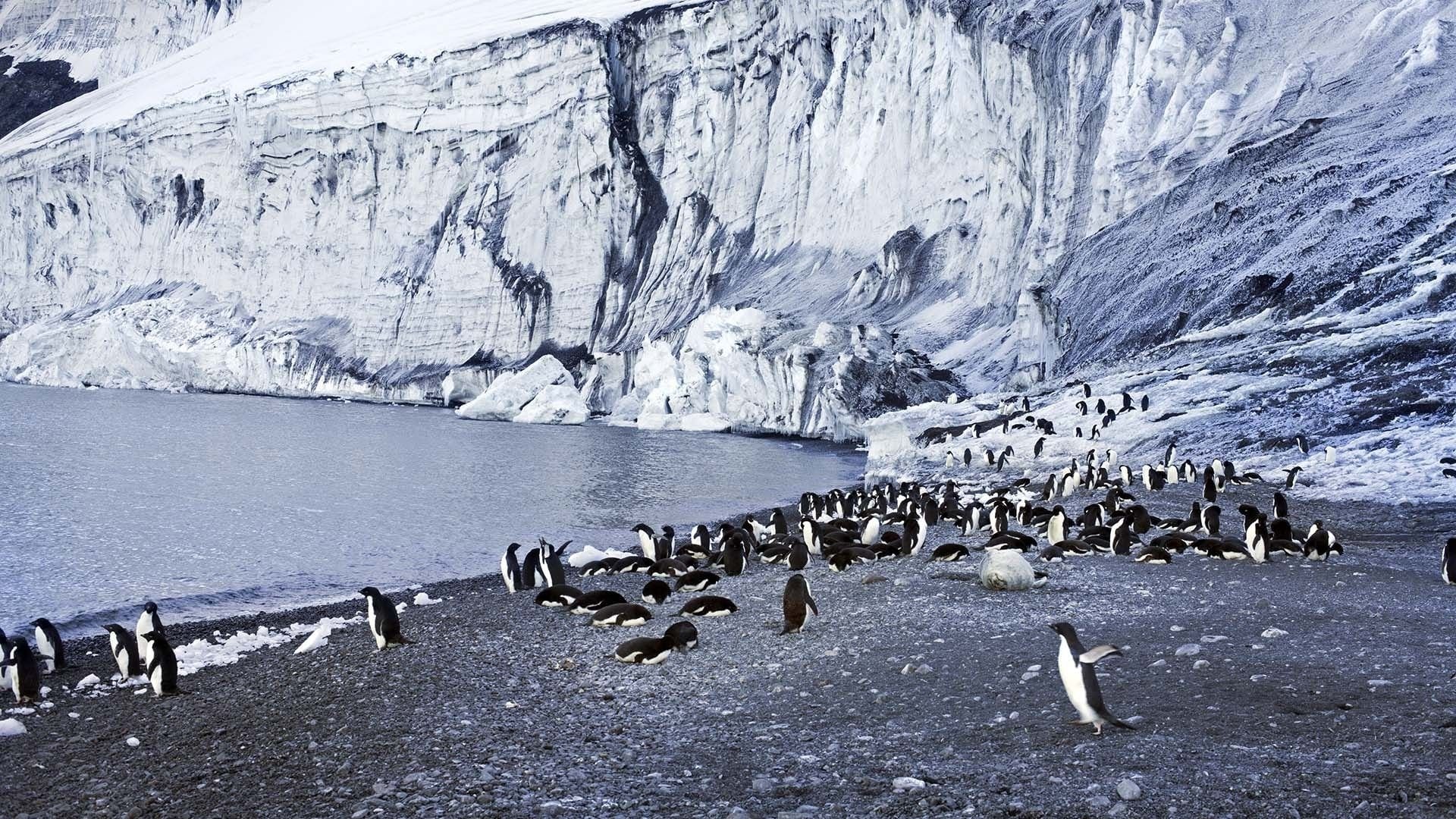


The bleakness of Antarctica is a fallacy. The ice continent is full of life and offers a biodiversity of which only about two percent are known. Much of it is under water and could determine the future of human beings. When the northern lights cover the ice landscape in summer, the animals in the Antarctic are in a paradisiacal state. Whales blow their fountains in the sky, penguins fly like small rockets into the water, seals dive for crabs under the glittering ice floes. From the bay of the Ross Sea to the ice shelf, from the huge penguin colonies to steaming volcanoes, a life in rhythm with the ice. But the consequences of climate change are slowly becoming apparent here too. While some species are dying, others are spreading. They could bring new viruses and bacteria with them, and new dangers for humans too. The structure of nature has gotten off course. How many generations will still be able to experience the magic of Antarctica?
I was able to watch the gleefully mesmerizing Disney remake that was Robert Zemeckis’ Pinocchio. I was enthralled by Zemeckis’ iteration.
This is ambitious horror filmmaking, and in a lot of ways, I fully admire its ambitions. For me, the film’s sloppiness defines its overall quality.
When diverse representation is featured on-screen, it oftentimes comes with strings attached that undermine the message they were trying to send. This can be attributed to the fact that behind-the-screen, the industry primarily does not reflect the breadth of diverse difference that is present in daily life. That’s why when something as powerful and authentic as Minari comes along, it is both incredibly wonderful and needs a large audience to witness it.
Jordan Peele’s film is an intelligent and unflinching piece of work, firmly focused on the African American experience.