


Once Upon a Time in (White) Hollywood
Tarantino's alternative history of the 1960's uncritically repeats the era's sexist and racist stereotypes.
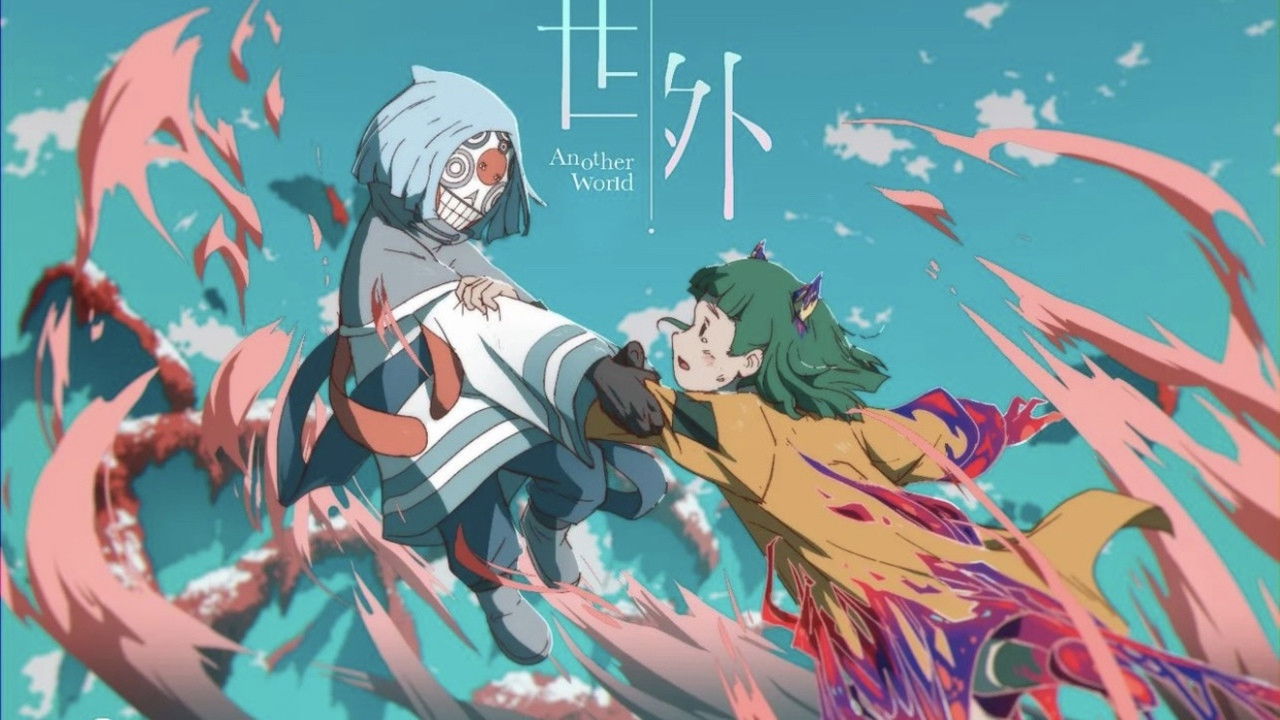
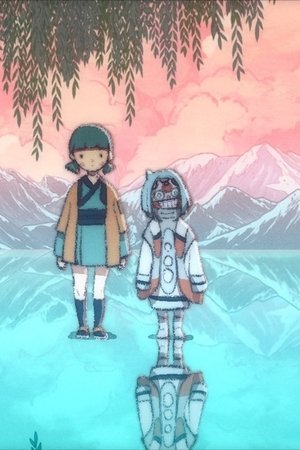


Nothing is ever destined to happen in the nether. Everything is impermanent. When Ghostie, who should have lost traits of humanity, encountered a girl that was reluctant to give up on finding her lost brother, nothing will ever be the same anymore.
Tarantino's alternative history of the 1960's uncritically repeats the era's sexist and racist stereotypes.
At 2:17 a.m., every child in a third-grade class wakes up, leaves their home, and disappears into the darkness—except one. The next day, teacher Justine Gandy discovers that Alex Lily is the only student left, while the rest have vanished without a trace. Did Justine have something to do with it, or is a far more sinister force stalking the town, targeting not just children, but anyone in its path?
Initially feeling like a passionate group having a bit of harmless fun with filmmaking, it leads to something sinister enough to leave a mark.
My review’s title is a nod to Shakespeare and is entirely deliberate. The original movie portrayed the high-end fashion world as a brutal arena of plotting, backstabbing, and betrayal, and most Shakespeare’s plays depend on these plot devices. The Devil Wears Prada 2 uses the same formula, and is, plot-wise, almost identical. Once again, we plunge into the cutthroat world of Runway, where to get and stay at the top, you must let go of your principles and moral sense. The only thing different is that due to the digital era, Runway is not a print magazine anymore, but one that is running online.
I believe in homages, but there's a proper way to borrow a creative idea instead of making it appear as if you hit the copy and paste button. Most likely, anyone is better off simply reading the books. Or just put on Scream.
Emily and Stephanie are back... just add gin and drama.