Baggage (2026): Surrealistic Visual Language and Confront the Past
Baggage’s experimental mixed formats visualized a woman’s brave inner journey of visiting the museum of her fragmented memories.
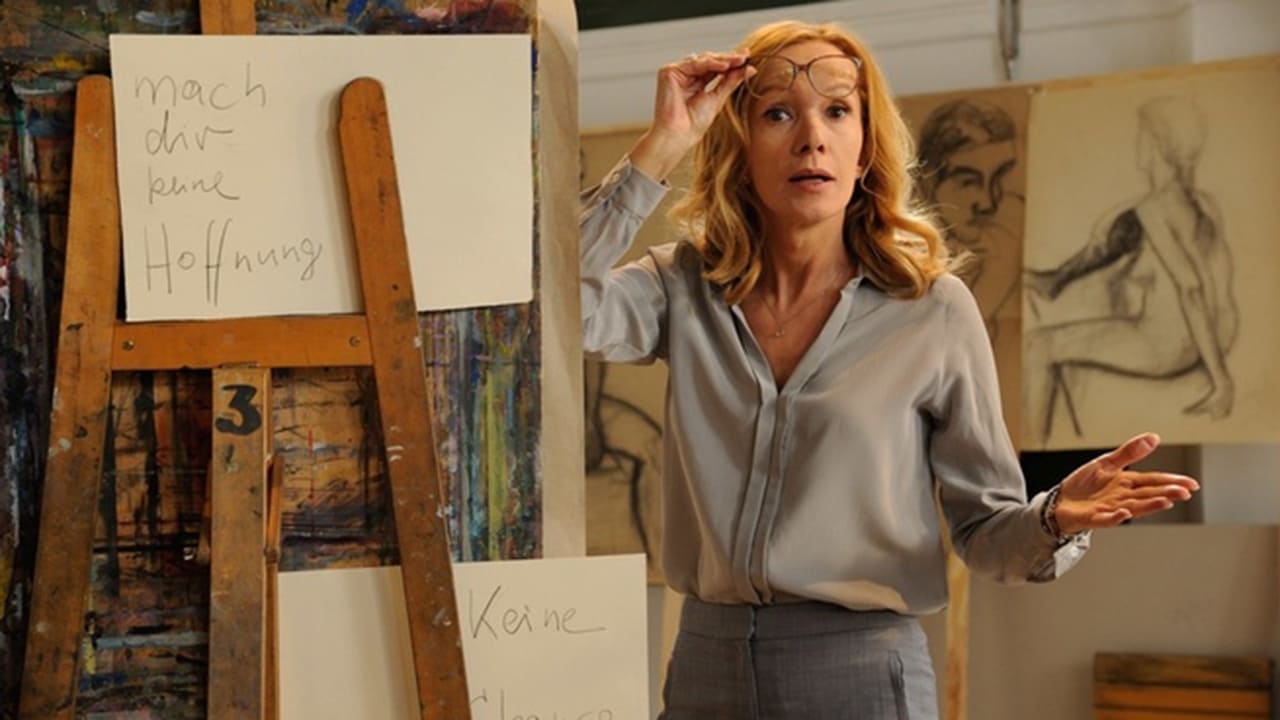



Anne Grainauer, a celebrated foreign correspondent, suddenly finds herself without a job after 24 years. The charming Gregor König offers some consolation. Anne finds out that Gregor is not only the mayor of Dresden, but also the favorite enemy of her daughter Jess, who is leading a citizens' initiative against the airport expansion. Gregor persistently courts Anne's heart. And she has to make a decision.
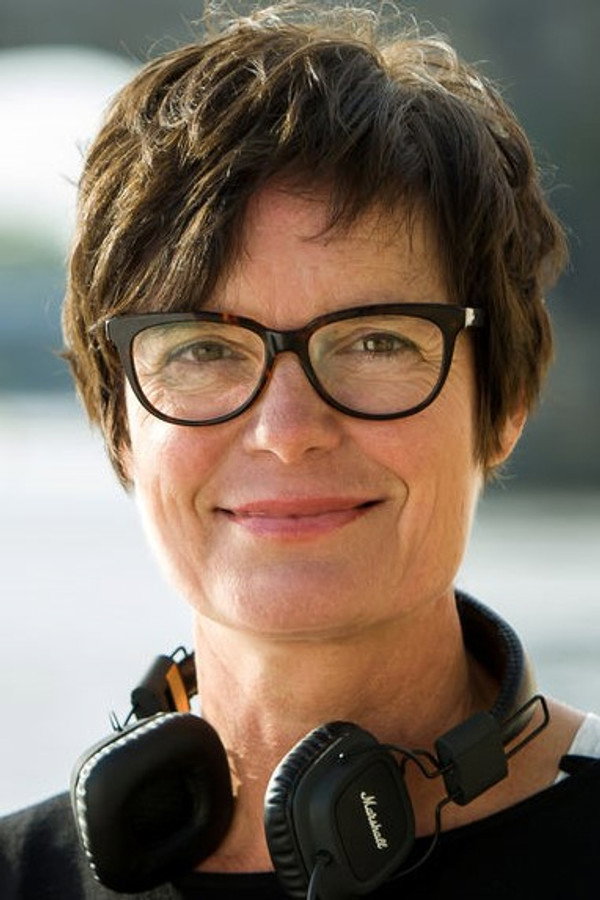
Karola Meeder
Director


Richy Müller
Gregor König

Lavinia Wilson
Jess Voigt

Katja Flint
Anne Grainauer

Judith Hoersch
Referentin Wagner

Stephan Grossmann
Christian

Christian Koerner
Jakob
Christoph Grunert
Herr Poschinger

Stefan Ruppe
Herr Schmitt

Nina Vorbrodt
Dozentin Elke
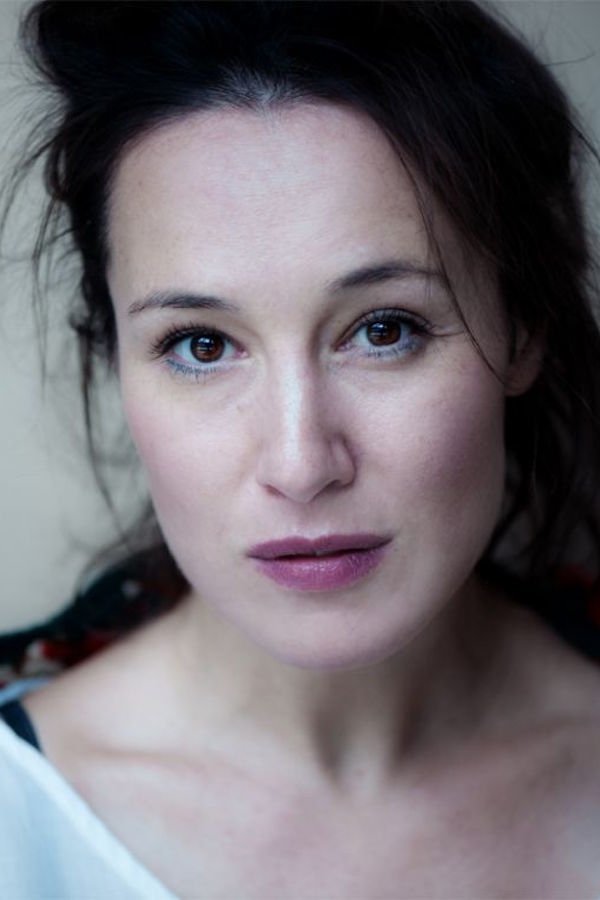
Bärbel Stolz
Empfangsdame
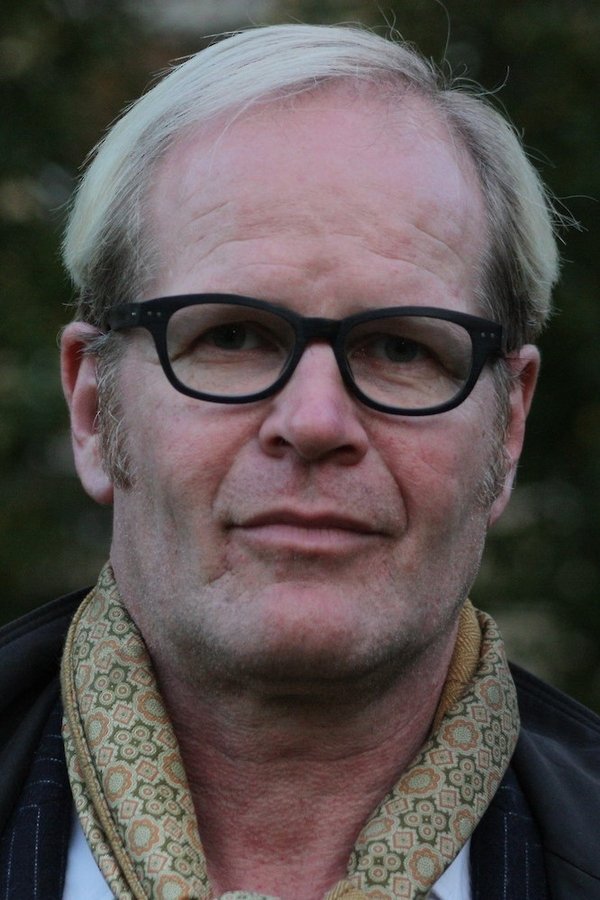
Guntbert Warns
Kreisky
Baggage’s experimental mixed formats visualized a woman’s brave inner journey of visiting the museum of her fragmented memories.
To say Hollywood has had a troubled past is the understatement of the century. In Ryan Murphy’s (American Horror Story) new Netflix series, Hollywood, that past is confronted and even rewritten.
At first glance, one wouldn't think John Carpenter's cult classic would be a thematic double-billing - or that Free Guy would be worthy of being mentioned in the same sentence as They Live - but the two films of vastly different genres have more similarities upon further examination.
'The Lost Daughter' doesn't paint over the choices Leda and Nina make as mothers as right or wrong but examines the messy in-between.
In an all-black community in Louisiana, a young girl learns her father has committed infidelity and turns to hoodoo to seek justice.
Some moments of the series are intense and ends on a cliff-hanger that will have you yearning for a second season.