
'Men' Disappoints with a Flat Examination of Misogyny
Despite its simple premise, “imagine being a woman,” the horror behind "Men" feels fueled by a hollow understanding of the insidiousness of misogyny.
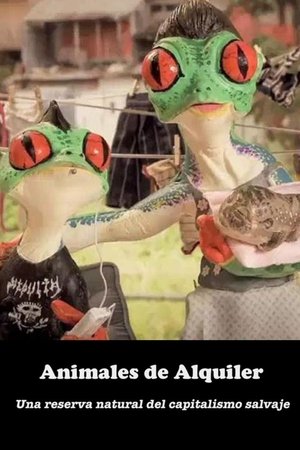


By the year 2078, all animal species from the rain forest had become extinct. Only genetic samples of such species remained, stored and patented by big commercial Labs. Aiming at preserving this genetic material near its natural habitat, these Labs created a controversial project, "Zootizens", implanting such genes in the bodies of Central American citizens who were willing to be host organisms in exchange of a package of social benefits. The animation shows, documentary-style, interviews with such hybrid citizens (a Sloth, a Tapir, a forest Frog and a Glyptodon) as they tell the ups and downs of their experiences with the project.
Despite its simple premise, “imagine being a woman,” the horror behind "Men" feels fueled by a hollow understanding of the insidiousness of misogyny.
Self expression among teenagers is explored in the live adaptation of Jerry Spinelli's novel of the same name.
This HBO mini-series asks why a young white man turned to violence and finds no easy answers. But why do we only ask questions about certain kinds of killers?
True crime media is notoriously obsessed with the “missing white woman” trope, and yet the vast majority of American murder victims are male, and well over half are people of color.
The biggest highlight of the film is easily the performance of Andrew Garfield. In his days since hanging up his Spiderman suit, Garfield has routinely churned out great performances, and Mainstream is no exception. He proves that he is willing to try anything and go anywhere in a character.
As Andrew’s life begins to change, his passion for drumming soon becomes a spiraling obsession in the pursuit of perfection. Through the use of disturbing and abusive training methods, Fletcher puts Andrew through emotional and physical agony.