

"Eleanor The Great"Certainly Is
“Eleanor The Great” is a feel-good story that explores how we cope with grief and loss while educating us about the horrors of the Holocaust.
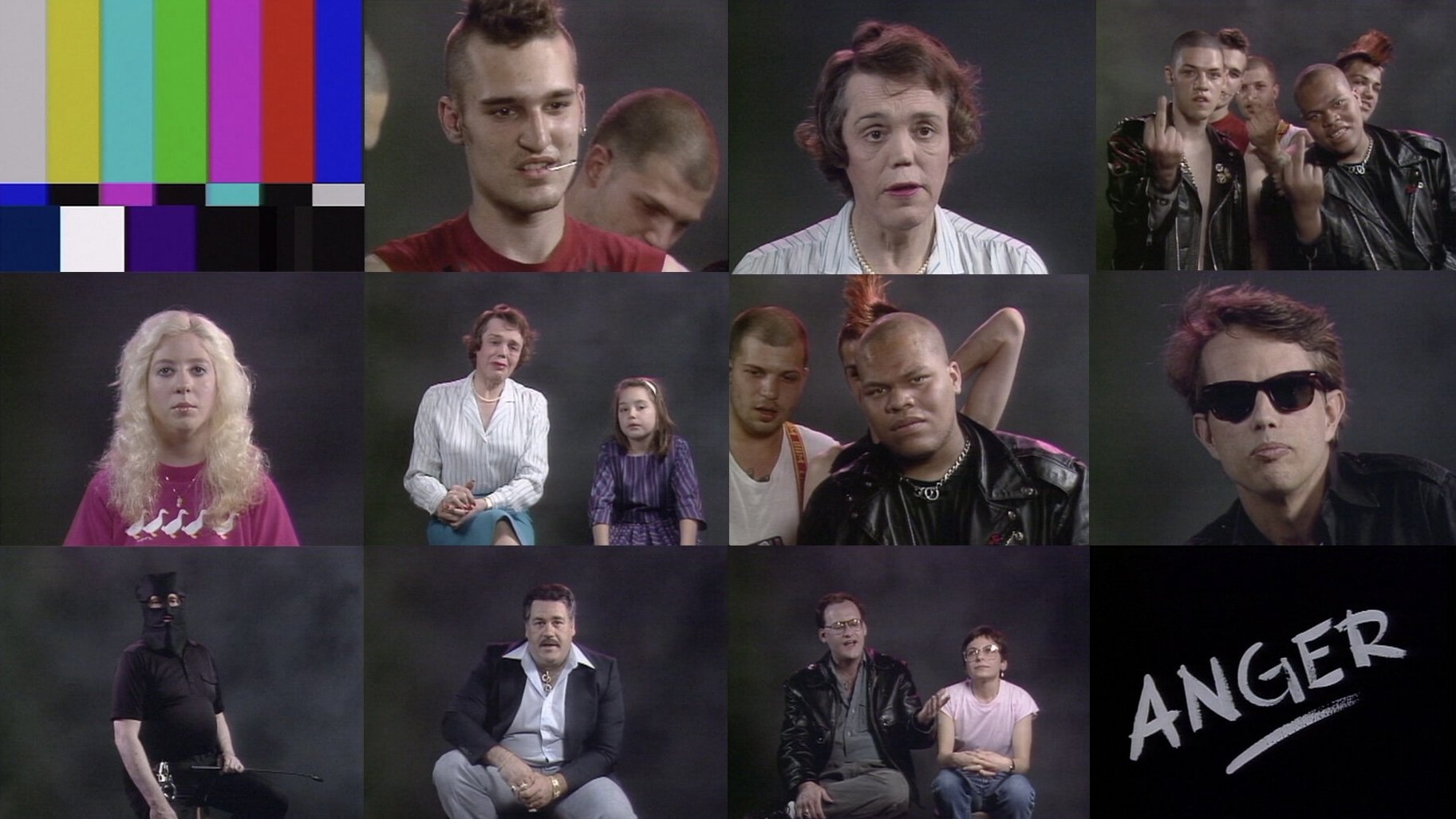
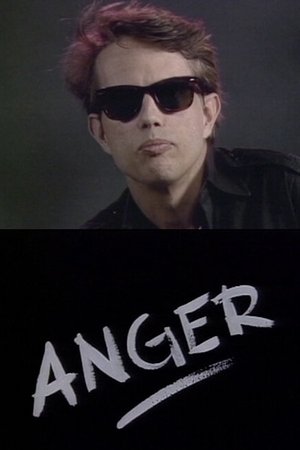


In 1986, filmmaker Maxi Cohen was one of seven women filmmakers commissioned by German television to interpret the Seven Deadly Sins. She was given the sin of “anger” and began by putting an advertisement in The Village Voice that read, “What makes you angry?” Along with fellow filmmaker Joel Gold, she recorded the conversations with the people who replied. This exploration lead to a heart-wrenching and emotional film that shows the complexity of anger and its origins. Thirty four years later, Anger continues to resonate, especially as health, economic and political turmoil place anger at the forefront.
“Eleanor The Great” is a feel-good story that explores how we cope with grief and loss while educating us about the horrors of the Holocaust.
Sinister and suffocating, 2022's The Black Phone delivered more than just scares - it brought atmosphere, depth, and a villain audiences won't soon forget.
By depicting 4 different stories, Director Sergio Tovar Velarde keeps the focus on the shared humanity and search for love (both self and romantic) of various gay Mexican men.
Essentially 'Get Out' but for white women, 'Don't Worry Darling' has strong material with its twist reveal, but the writing and directing falter trying to execute it.
With The Father, writer-director Florian Zeller- who wrote and developed the play upon which the film is based- pulls no punches as he confidently makes every effort to put the audience in the mind of someone whose grip on reality has all but vanished. It’s a dazzling testament to Zeller’s abilities as a director as he makes his first transition from stage to film appear as if he’s been working behind a camera his entire career. The dialogue he fashions with co-writer Christopher Hampton, along with the work of production designers Peter Francis and Cathy Featherstone, collectively makes the downward spiral of dementia startlingly tangible, doing so in a way that can be comprehended by everyone except the person it directly affects.
Airplane! (1980) is a fun spoof comedy with lots of laughs, right? I watched this film for the first time the other night. I loved it. Then came the racist jokes.