










The Final Season of ‘Superstore’ Sends off an Inclusive Gem
Where we leave the characters is in such a peaceful and optimistic place. It feels well-earned to ensure everyone gets their own specially-crafted happy ending.
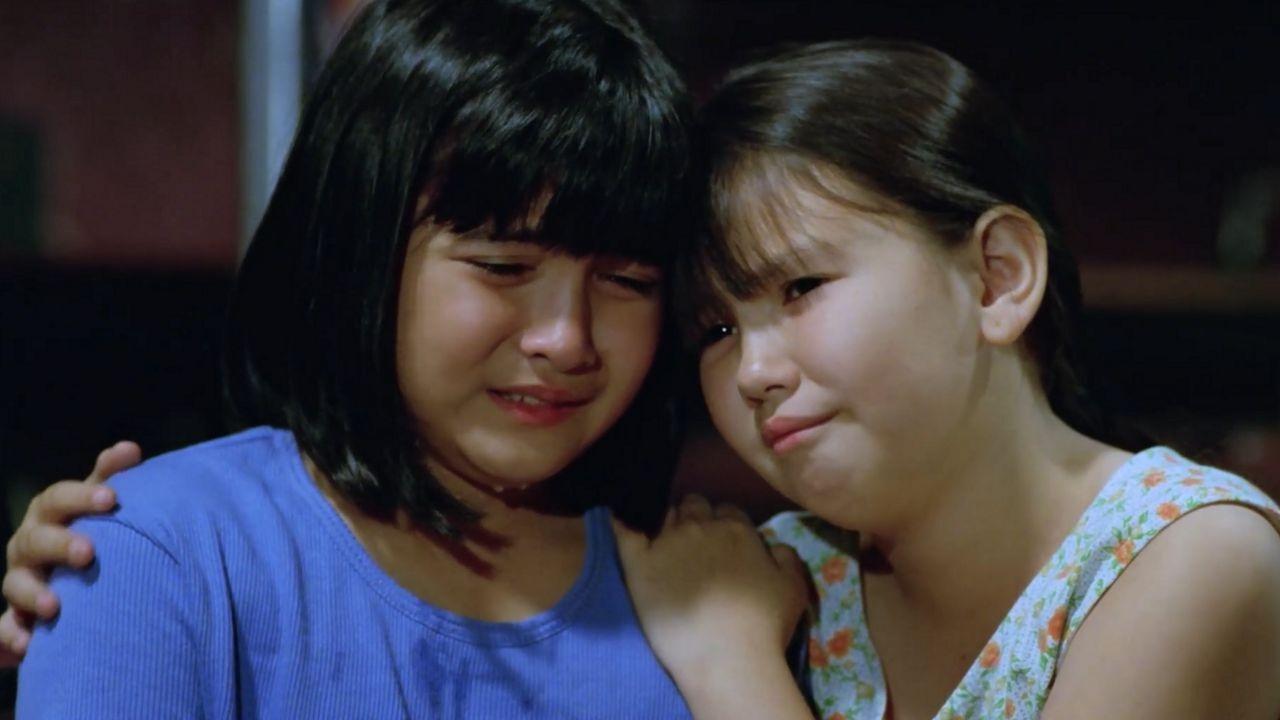



A homeless little girl named Rosalie saves an abducted rich selfish brat Nikka. Rosalie gets shot when one of the goons opens a fire. To extend their gratitude for Rosalie’s bravery, Nikka’s mother adopts the lesser fortunate child. However, instead of being thankful Nikka treats Rosalie harshly which pushes the latter to go back and join her fellow street children.
Where we leave the characters is in such a peaceful and optimistic place. It feels well-earned to ensure everyone gets their own specially-crafted happy ending.
In a Whisper is a coming out narrative, but it’s also a story about multiple mother-daughter relationships and the necessity of family.
In ‘The Owl House’ protagonist Luz Noceda stumbles across a portal to another dimension where magic exists, called The Boiling Isles.
The story of the singer's career in her Sweetener World Tour is told in this featured documentary film.
Overall, The Shining is a great film to watch for its atmosphere and setting. While the characters’ portrayals could’ve been more accurate to the book, they’re all still memorable nonetheless.
Amsterdam is a confusing movie with a meandering plot amidst a beautiful rendering of 1930s New York