



Twin Peaks: Why LGBTQ Ally Depiction is Crucial
Portraying how easy it is to be an ally heavily benefits the majority audience. The more we encourage it, normalize it, and give people the tools to become one, the sooner we can co-exist peacefully.
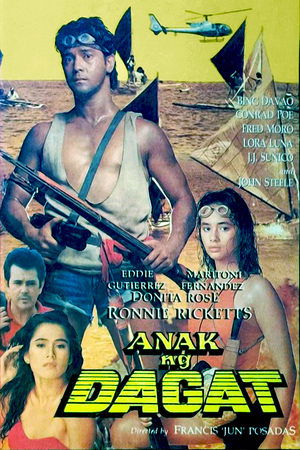


A cop goes back to his hometown of an island to free its people from violence from a ruthless man.
Portraying how easy it is to be an ally heavily benefits the majority audience. The more we encourage it, normalize it, and give people the tools to become one, the sooner we can co-exist peacefully.
The beating heart of this film is the relationship between Anna Osborne and Sonya Rockhouse.
Season 1 of Love, Victor ended on a major cliffhanger: Victor came out to his parents. He said the words “I’m gay” for the first time. Now what? Season 2 answers the question: “What happens after coming out?”
The film is a powerful narrative encompassing a theme that many people can identify with.
My review’s title is a nod to Shakespeare and is entirely deliberate. The original movie portrayed the high-end fashion world as a brutal arena of plotting, backstabbing, and betrayal, and most Shakespeare’s plays depend on these plot devices. The Devil Wears Prada 2 uses the same formula, and is, plot-wise, almost identical. Once again, we plunge into the cutthroat world of Runway, where to get and stay at the top, you must let go of your principles and moral sense. The only thing different is that due to the digital era, Runway is not a print magazine anymore, but one that is running online.
It’s 2021 and what few LGBTQ+ films that are produced by major film studios continue to star cisgender heterosexual actors, rather than actual LGBTQ+ people.