
In the Long Run, the Answer To COVID Hangover.
A few episodes in, I realized the most prominent theme of In The Long Run wasn't culture, race or even finding independence--but the idea of belonging.
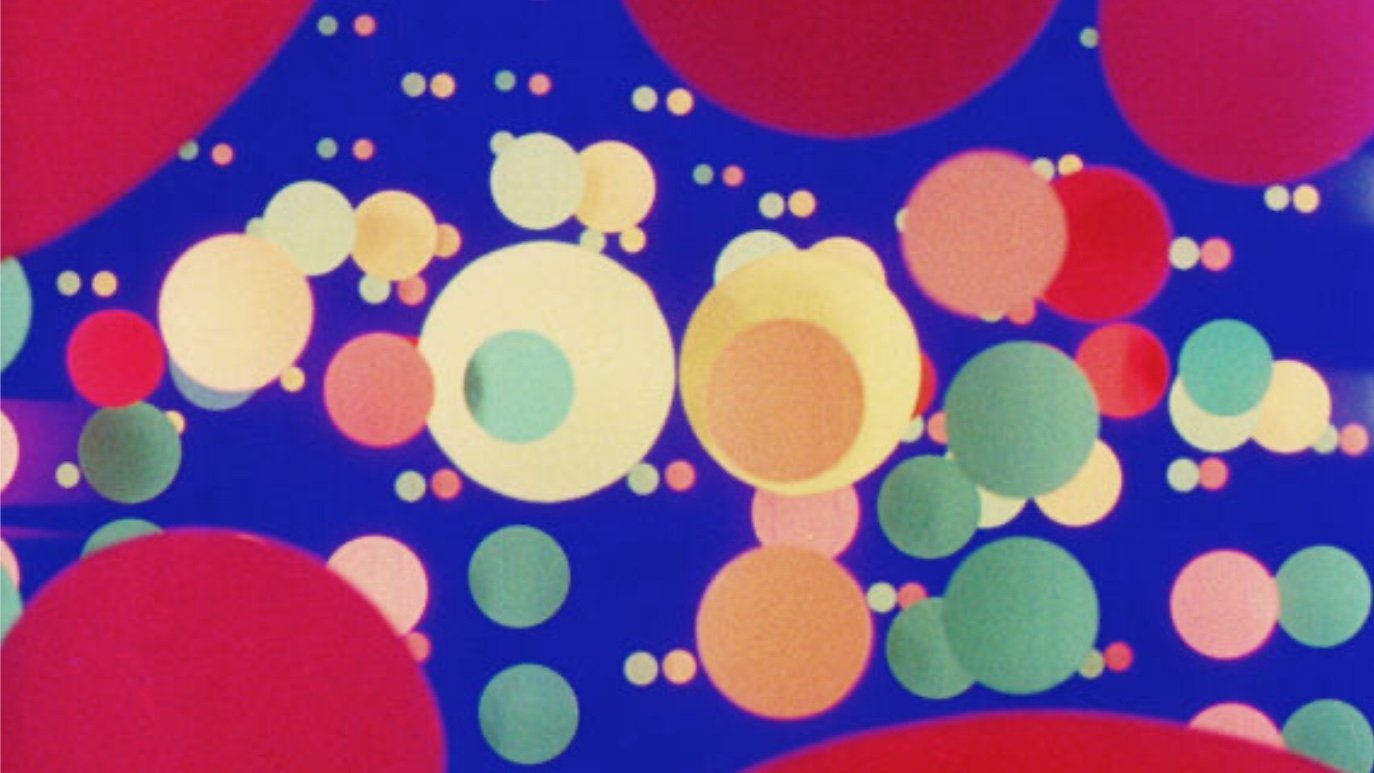
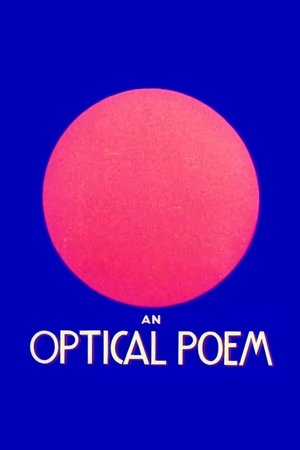


A dance of shapes. A title card tells us this is an experiment in conveying the mental images of music in a visual form. Liszt's "Second Hungarian Rhapsody" is the music. The shapes, all two-dimensional, are circles primarily, with some squares and rectangles, and a few triangles. The shapes move rhythmically to the music: receding from view or moving across the screen. Red circles on a blue background; light blue squares; white rectangles. Then, a red background of many circles with a few in the foreground. Red gives way to blue then to white. Shapes reappear as Liszt's themes re-occur. Then, with a few staccato notes and images, it's over.
A few episodes in, I realized the most prominent theme of In The Long Run wasn't culture, race or even finding independence--but the idea of belonging.
I hadn’t heard of it either until recently—and yet, it’s one of the highest grossing movies of all time.
Episode 3, entitled “Now in Color,” brings us to the 1970s — a decade full of vibrancy, color, and total mayhem.
A man invents the internet with the help of an otherworldly force. But he soon learns that not all is what it seems. A delightful sequence of images for a delightful fictional story about what lies behind.
One Christmas Eve, after a sudden snowstorm, a group of teenagers will discover how their lives will change forever.
"A Drowning Man" (2017) explores the unseen aspects of the Refugee Crisis. In, 15 far-too-short minutes, viewers are given a detailed snapshot of what it's like for a refugee to drown in the waters of poverty and otherness while trying to navigate a land whose promise has worn off, and only 'strange' remains.