








Incluvie – Better diversity in movies.
Identity in film with Incluvie stamps, scores, reviews.

Incluvie – Better diversity in movies.
Explore identity in film with Incluvie stamps, scores, reviews, and insights.

trailer banner
An Old Heart Becomes Young Again poster

An Old Heart Becomes Young Again 

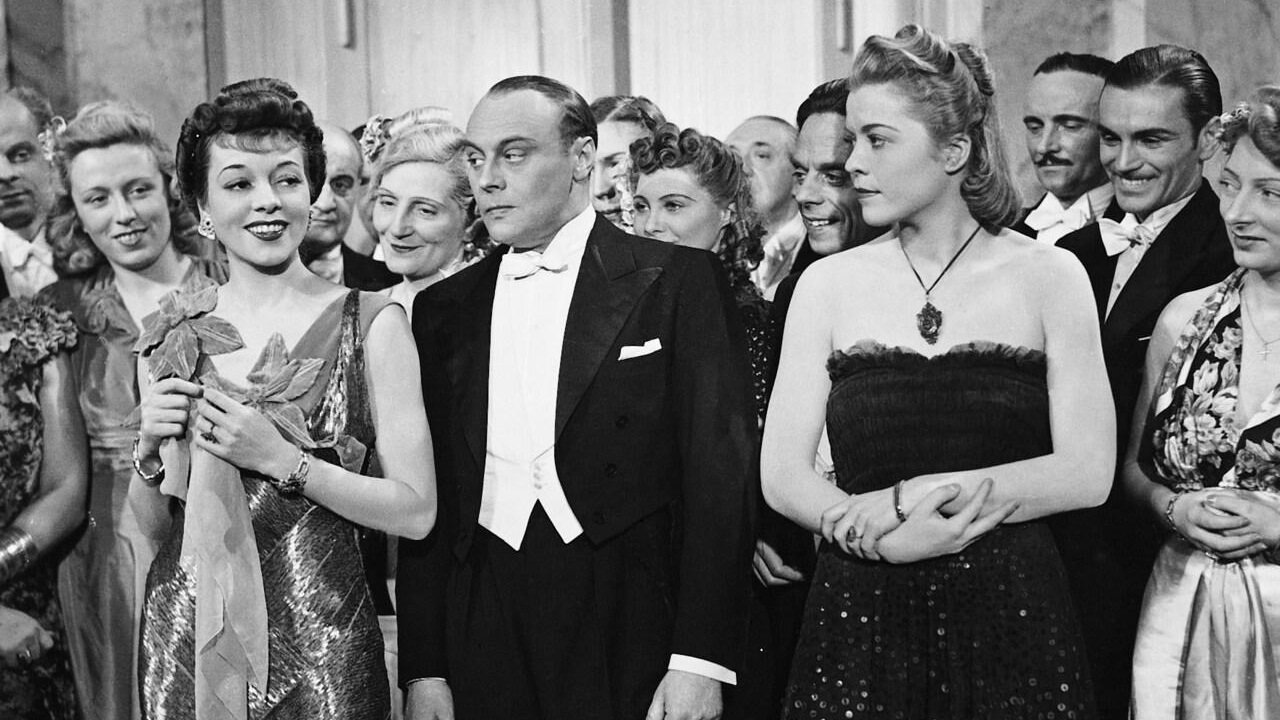
All throughout his entire life, Friedrich Wilhelm Hoffmann let his career run roughshod over his personal life. He had no wife, because he was married instead to his chocolate factory. Now he’s old and gray, and his relatives, who are greedily waiting for him to kick the bucket so they can get their hands on his worldly goods, keep their distance from him. Then one day, an astonished Hoffmann is visited by a young woman named Brigitte, who asserts, that she’s his granddaughter. Suddenly, it all comes back to the old man: as a young man, he had a short, but intense, love affair, which he had to end on the insistence of his father.
- / 5
PopScore
Representation

Pictures and Videos


Incluvie Gala

Movie Information


All throughout his entire life, Friedrich Wilhelm Hoffmann let his career run roughshod over his personal life. He had no wife, because he was married instead to his chocolate factory. Now he’s old and gray, and his relatives, who are greedily waiting for him to kick the bucket so they can get their hands on his worldly goods, keep their distance from him. Then one day, an astonished Hoffmann is visited by a young woman named Brigitte, who asserts, that she’s his granddaughter. Suddenly, it all comes back to the old man: as a young man, he had a short, but intense, love affair, which he had to end on the insistence of his father.

Rating:
Genre:Comedy
Directed By:Erich Engel
Written By:Lotte Neumann, Walter Wassermann
In Theaters:
Box Office:

Runtime:97 minutes
Studio:Tobis Filmkunst

Articles You May Like


Who Needs 'Independence Day' When You've Got 'Sorry to Bother You'?

Sorry to Bother You ultimately speaks to the unfair advantages that the country’s power structures award to those with the resources to control others, as Lift’s easy access to the media allows his opinion to be the only one that matters in the eyes of the unsuspecting and easily impressed public. Moreover, it reveals the extent to which the American Dream has any true validity. It postulates how the promise of success and fulfillment as promoted by the American Dream more often than not leads to the undoing of the individual. Interestingly, in its revealing of the American Dream as merely a facade, Sorry to Bother You wisely questions whether or not anything can really be done to undo a system that has been accepted and in action for centuries.

Matt Geiger