






‘Fast Color’: A Strikingly Different Take on the Superhero Film - Movie Review
Set in a future dystopian United States in which water is running out, Julia Hart’s Fast Color (2018) is a refreshingly different take on the superhero film.
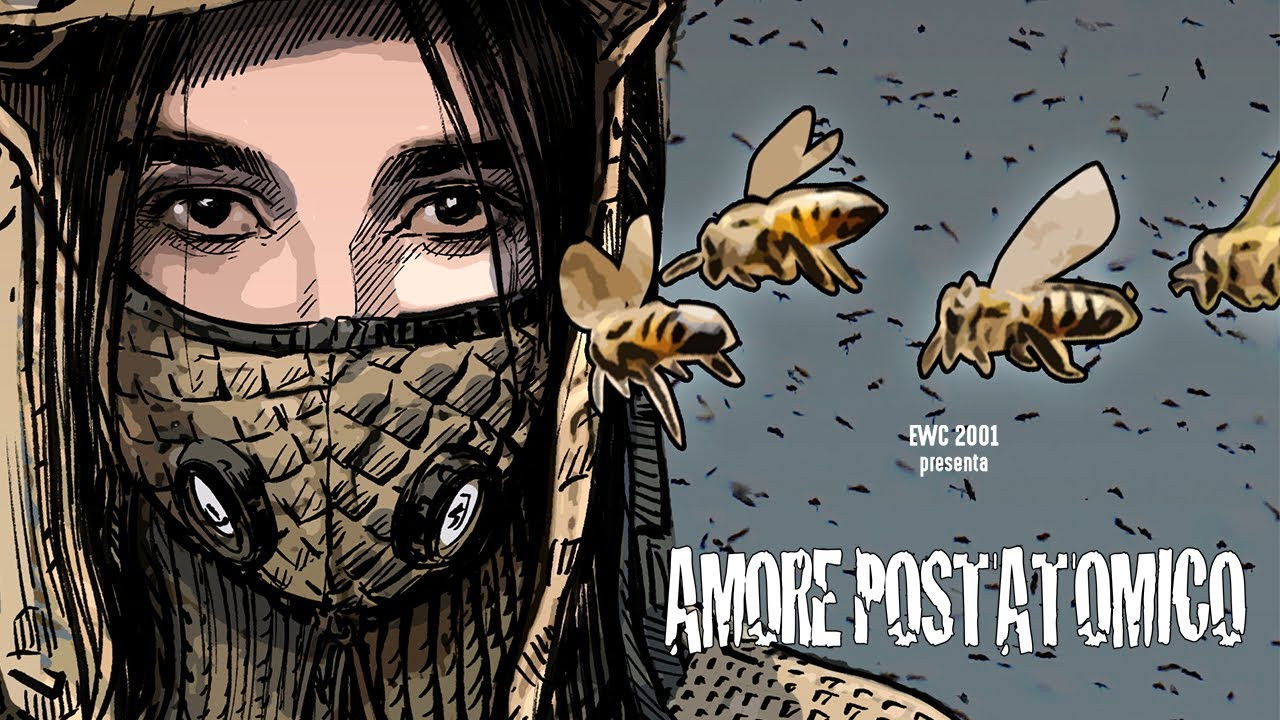



A Neapolitan cartoonist who lives with his beekeeper mother, creates with his friend Loris a graphic novel about Mileva, a heroine who in a post-apocalyptic future fights to save a queen bee in a world where nature has been destroyed.
Set in a future dystopian United States in which water is running out, Julia Hart’s Fast Color (2018) is a refreshingly different take on the superhero film.
By undermining the appeal and credibility of black characters, the show compromises the very idea of diversity and representation it sets to promote.
An aspect of She-Ra that I find refreshing is even though a large portion of the cast is on the LGBTQ+ Spectrum, being gay is never mentioned. While this might initially sound like a negative thing, in the show’s land of Etheria being on the gay spectrum is shown to be so common and normalized that straight isn’t the default. As much as there is to appreciate about narratives revolving around the obstacles that may come from being non-heteronormative, it’s nice to get immersed in a world where no one bats an eye at all to any sort of differing identity.
A homeless girl faces depression and uncertainty during the holidays.
Emily Henry’s adaptation reaches romance movie standards, but not romance reader standards.
The second season arrives over three years after its first. While late on arrival, most audience members will be happy.