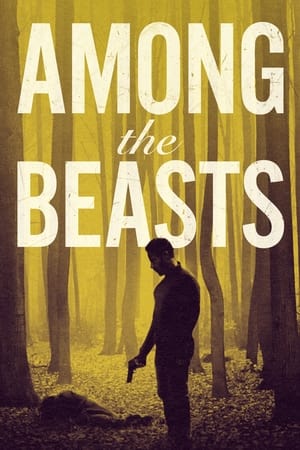
Among the Beasts (2023)
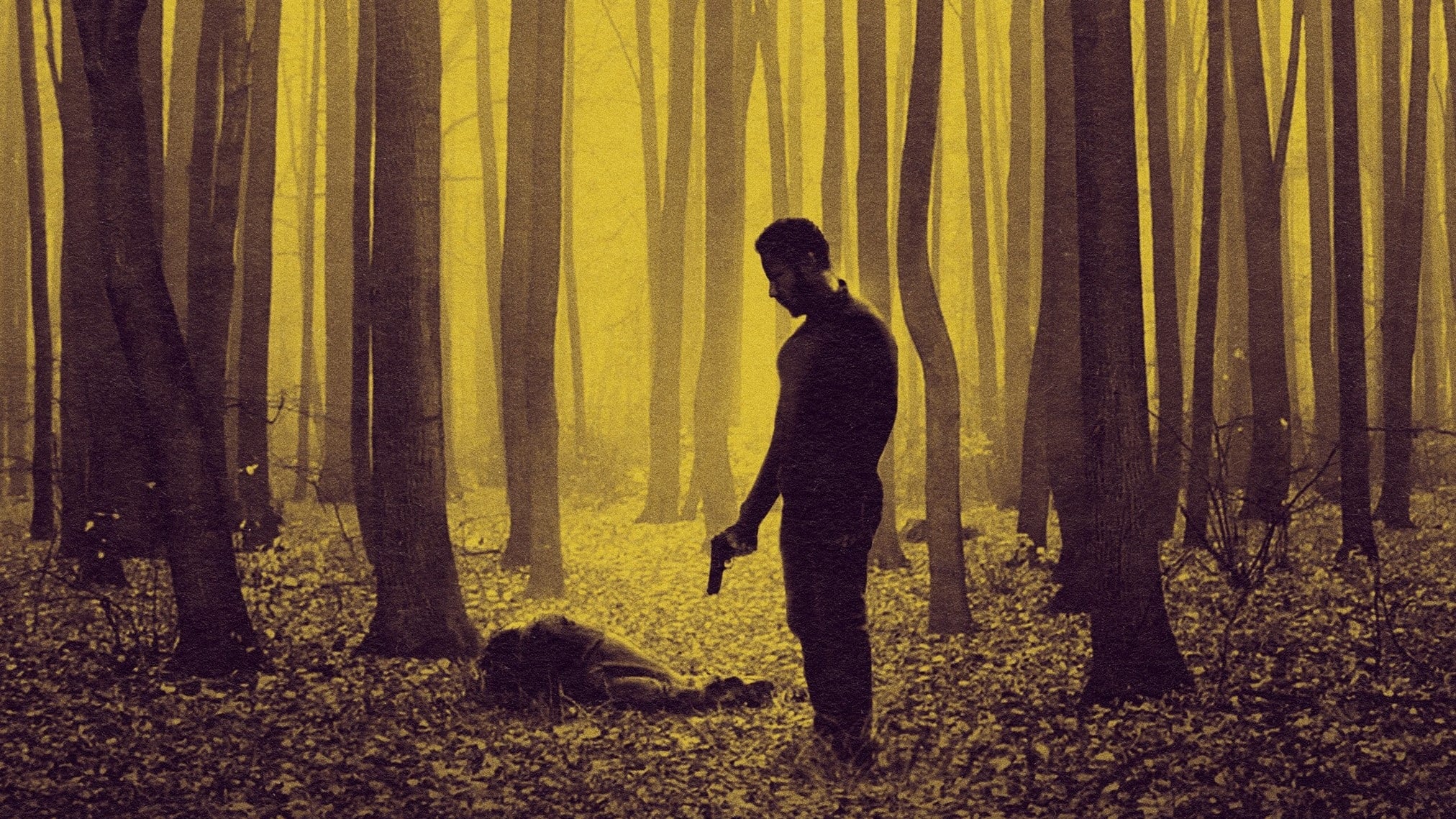
When a gangster’s daughter reluctantly teams with a former Marine to find her kidnapped cousin, the combat veteran must overcome his own demons in order to rescue the child.

- / 5
PopScore
Representation
Pictures and Videos

Movie Information
When a gangster’s daughter reluctantly teams with a former Marine to find her kidnapped cousin, the combat veteran must overcome his own demons in order to rescue the child.
Rating:
Genre:Action, Thriller, Mystery
Written By:Matthew Newton
In Theaters:2/10/2023
Box Office:
Runtime:93 minutes
Studio:Menagerie Films, Cavalry Independent, Cubby House Pictures





Articles You May Like
What We Do in the Shadows (of Our Closet Walls)
There’s enough evidence to insinuate that What We Do in the Shadows is intentionally queer-coded.
'We Can Be Heroes': Fun If You're a Kid (or Remember Being One)
A refreshing twist is that all the kids’ powers are…kind of useless. There’s a kid who can only move in slow motion, a kid who has every power in the world but can only use them randomly, and our main character Missy who has no powers at all. The thesis of the film seems to be that it doesn’t matter what kind of powers you have, its the way you use them, which is good for the warm and fuzzies.
Outer Banks Ignores Its Racial Context
Outer Banks (2020-) knows its audience: young adults in a country that can’t stop romanticizing good ole’ treasure hunts. Add a little of Riverdale’s (2017-) sex appeal, and no one can look away. Forty years after The Goonies (1985) America’s consciousness hasn’t strayed from the same tropes: treasure hunts, a vulnerable white male lead, and the whitewashing of a racially segregated setting.
A 25-Year Ode to Frances McDormand and 'Fargo'
It’s easy to dismiss Joel and Ethan Coen for writing from the world they build from outside the box of overarching Hollywood stereotypes, but their inability to compromise their collective vision is precisely what makes the simplistic nature of their world-building and characters so brilliant. It’s also what led Fargo to collect seven Oscar nominations and two wins for Best Original Screenplay and Best Actress for Frances McDormand’s brilliant portrayal of the sincere, motherly detective whose wholesome demeanor seizes the day over the selfishness, corruption and evil of the men who don’t comprehend that there’s more to life than a little money.
A Haunting Portrayal of Motherhood in "The Lost Daughter"
'The Lost Daughter' doesn't paint over the choices Leda and Nina make as mothers as right or wrong but examines the messy in-between.