American Dream (1990)
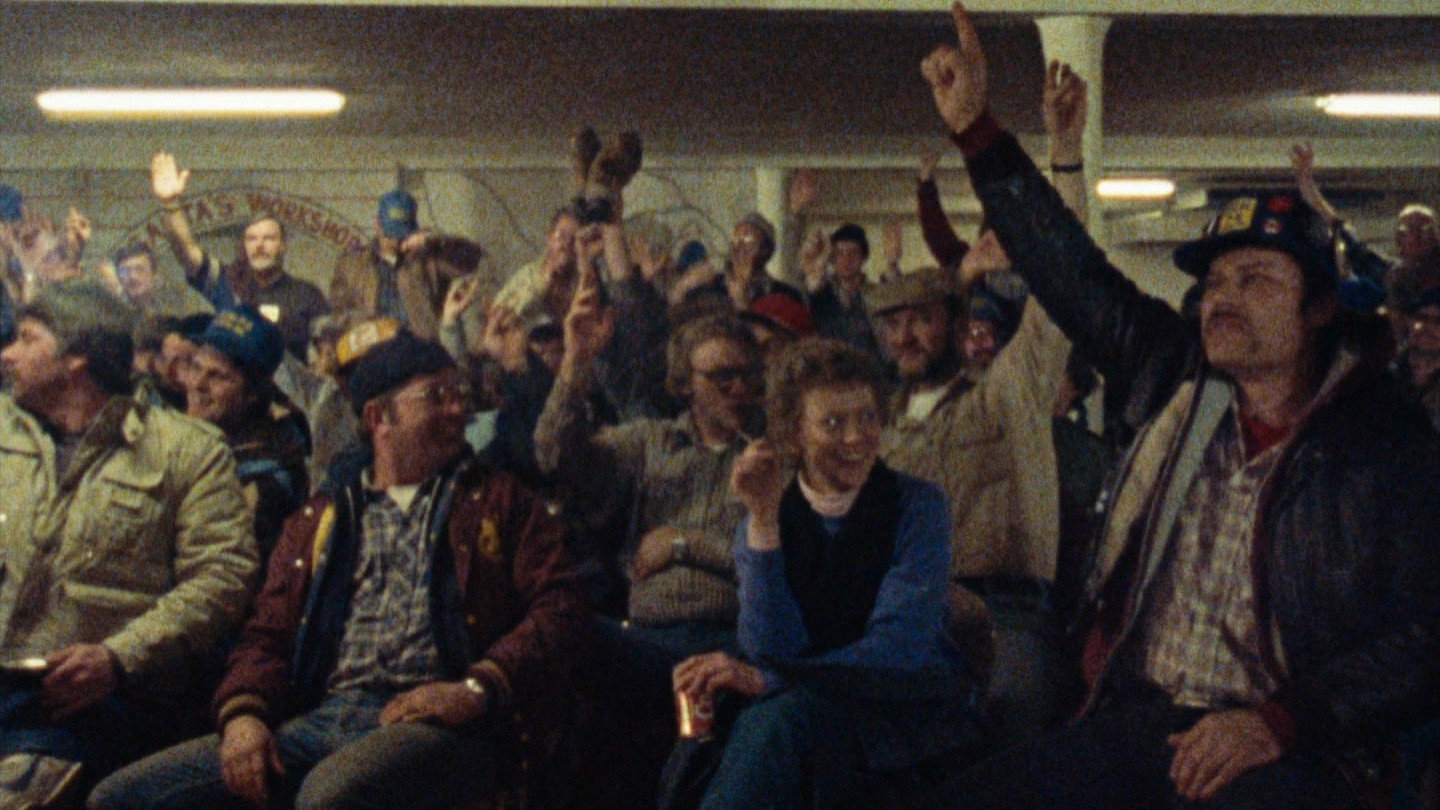
When workers at the Hormel meatpacking plant in Austin, Minnesota are asked to take a substantial pay cut in a highly profitable year, the local labor union decides to go on strike and fight for a wage they believe is fair. But as the work stoppage drags on and the strikers face losing everything, friends become enemies, families are divided and the very future of this typical mid American town is threatened.

- / 5
PopScore
Representation
Pictures and Videos

Movie Information
When workers at the Hormel meatpacking plant in Austin, Minnesota are asked to take a substantial pay cut in a highly profitable year, the local labor union decides to go on strike and fight for a wage they believe is fair. But as the work stoppage drags on and the strikers face losing everything, friends become enemies, families are divided and the very future of this typical mid American town is threatened.
Rating:PG-13
Genre:Documentary
Written By:
In Theaters:10/6/1990
Box Office:$269,823
Runtime:98 minutes
Studio:Cabin Creek Films, Catholic Communication Campaign, Channel 4 Television
Cast


Articles You May Like
Oscar Nominated Shorts: Animation— Reviewed
The 92nd Academy Awards had many strong contenders for best animated short. But which Oscar nominated short wins for diversity and inclusion?
It's 'A Loud House Christmas'!
This holiday movie serves as the prequel to the TV series The Really Loud House.
Mortal Kombat: Scorpion’s Revenge Gives Fans a Gory Good Time
Ever since the mid-’90s, the Mortal Kombat game franchise has seen multiple attempts to make it on the big screen, or at least adapted into other media.
Who Needs 'Independence Day' When You've Got 'Sorry to Bother You'?
Sorry to Bother You ultimately speaks to the unfair advantages that the country’s power structures award to those with the resources to control others, as Lift’s easy access to the media allows his opinion to be the only one that matters in the eyes of the unsuspecting and easily impressed public. Moreover, it reveals the extent to which the American Dream has any true validity. It postulates how the promise of success and fulfillment as promoted by the American Dream more often than not leads to the undoing of the individual. Interestingly, in its revealing of the American Dream as merely a facade, Sorry to Bother You wisely questions whether or not anything can really be done to undo a system that has been accepted and in action for centuries.
Sweet Sweetback's Baadasssss Song (1971): Black cinema defying conventional Hollywood genre cinema
SPOILERS AHEAD. Sweet Sweetback's Baadasssss Song distinguished itself from Hollywood films of its time by introducing New Wave cinema storytelling methods into Black cinema.