Incluvie – Better diversity in movies.
Identity in film with Incluvie stamps, scores, reviews.

Incluvie – Better diversity in movies.
Explore identity in film with Incluvie stamps, scores, reviews, and insights.

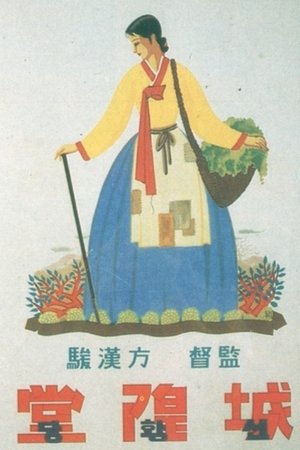
Alter for a Tutelary Deity poster

Alter for a Tutelary Deity 

A couple lived in the mountains of Dume who were grilling charcoal. Although it was a poor life, Hyun-bo (Choi Woon-bong) was happy whenever he saw his wife (Hyun Soon-young). Her wife had a small dream to try on a pair of white rubber shoes. Her husband buys her rubber shoes by selling charcoal to the marketplace to please her wife. At that time, the forest supervisor (Jeon Taek-i) sees her beautiful Hyun Soon-young and tries to rape her. Hyeon-bo, who witnessed the scene, kills the forest supervisor with an axe. Looking at her husband's back as she was being dragged away by the police, Soon-young's long-awaited white rubber shoes were in her hands.
- / 5
PopScore
Representation

Pictures and Videos


Incluvie Gala

Movie Information


A couple lived in the mountains of Dume who were grilling charcoal. Although it was a poor life, Hyun-bo (Choi Woon-bong) was happy whenever he saw his wife (Hyun Soon-young). Her wife had a small dream to try on a pair of white rubber shoes. Her husband buys her rubber shoes by selling charcoal to the marketplace to please her wife. At that time, the forest supervisor (Jeon Taek-i) sees her beautiful Hyun Soon-young and tries to rape her. Hyeon-bo, who witnessed the scene, kills the forest supervisor with an axe. Looking at her husband's back as she was being dragged away by the police, Soon-young's long-awaited white rubber shoes were in her hands.

Rating:
Genre:Drama
Directed By:Baek Un-haeng
Written By:Hwa-rang Kim
In Theaters:
Box Office:

Runtime:

Studio:Banddo Films

Articles You May Like


The Rise of a Kindhearted Comedy Hero: The Anti-Toxic Masculinity Message of Brendan Fraser Films

Throughout Brendan Fraser’s career, he has played a plethora of unique, layered characters who explore the importance of not being afraid to display your emotions, something that is often seen to not be a masculine trait. This idea of regulating emotion and what traits men are able to possess creates a toxic atmosphere for men who are often told they should not cry or represent their emotions in any physical way. These characters represent that men can be joyful, emotionally conscious, and sensitive, while also representing their masculine identity instead of painting those qualities as fighting against their masculinity.

Amanda Mazzillo