Once Upon a Time in (White) Hollywood
Tarantino's alternative history of the 1960's uncritically repeats the era's sexist and racist stereotypes.

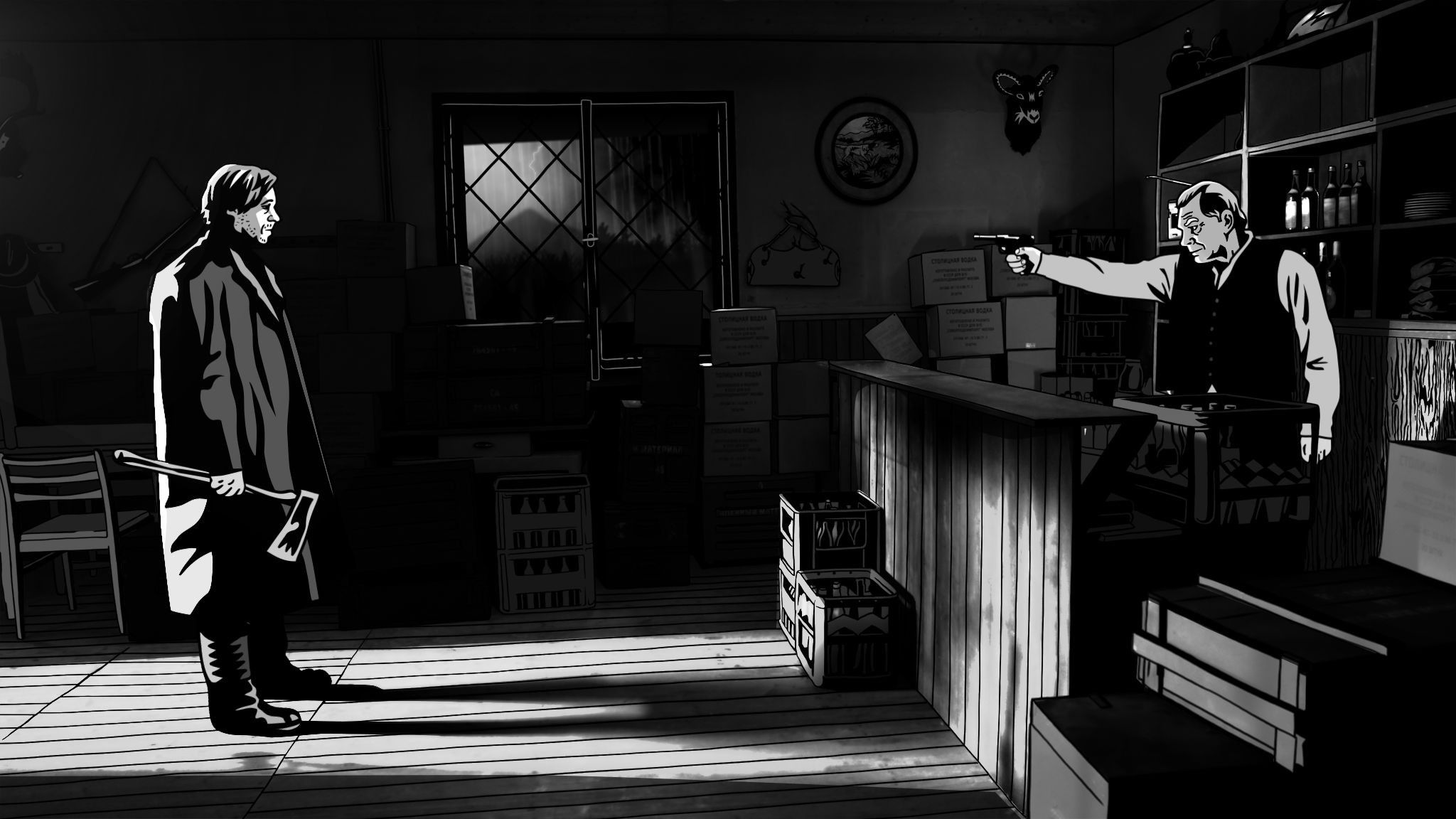
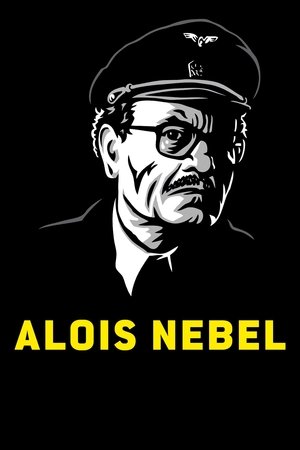
A train dispatcher encounters a mute stranger who appears out of nowhere, and finds himself mysteriously involved with a murder in Poland. The end of the eighties in the twentieth century. Alois Nebel works as a dispatcher at the small railway station in Bílý Potok, a remote village on the Czech–Polish border. He's a loner, who prefers old timetables to people, and he finds the loneliness of the station tranquil – except when the fog rolls in. Then he hallucinates, sees trains from the last hundred years pass through the station. They bring ghosts and shadows from the dark past of Central Europe. Alois can’t get rid of these nightmares and eventually ends up in sanatorium. In the sanatorium, he gets to know The Mute, a man carrying an old photograph who was arrested by the police after crossing the border. No one knows why he came to Bílý Potok or who he’s looking for, but it is his past that propels Alois on his journey…
Tarantino's alternative history of the 1960's uncritically repeats the era's sexist and racist stereotypes.
The movie behind the space toy from the 'Toy Story' film series is finally here.
Outer Banks (2020-) knows its audience: young adults in a country that can’t stop romanticizing good ole’ treasure hunts. Add a little of Riverdale’s (2017-) sex appeal, and no one can look away. Forty years after The Goonies (1985) America’s consciousness hasn’t strayed from the same tropes: treasure hunts, a vulnerable white male lead, and the whitewashing of a racially segregated setting.
It’s no wonder Peele won an academy Award for Best Original Screenplay. His script is layered with perspective and subtlety. Through a terrific vision, Peele creates the gift that keeps on giving. The clues and symbolic representations are aplenty, and as each viewing passes, you are destined to find something new. That’s a mark of great cinema.
One of the reasons I love watching movies is that, much like books, they serve as windows into other times and different places. Productions from around the world offer valuable insights into the history and culture of their respective countries. And just like literature, cinema can help us understand the present by showing us the past.
It surely isn't for everybody and could certainly offend some folks, but Troll Hunter takes a different approach to representing religion in a film.