Dead Poets Society Steals a Queer Story
Dead Poets Society relies on patriarchal tropes such as overbearing fathers, contrived brotherhood, and faux-individuality in order to portray its straight white male characters as oppressed.



Homesick for America, Jack and his pals get aboard a ship U. S.-bound disguised as entertainers. As entertainers they're flops, but evoke considerable mirth among the passengers by their efforts. Jack arouses the jealousy of a Frenchman, who is keen on a young French girl, and is challenged to a fight. The Frenchman fights a la Savatte (the French method, including kicking, bucking, etc.) and is getting the better of Jack, until the latter dons a pair of hobnailed brogans. He consents to remove these if his adversary will put boxing gloves on his feet. The Frenchman gets seasick and is counted out as he leans over the rail, where he is soon joined by Jack.

Erle C. Kenton, Jess Robbins
Director


Jack Dempsey
Tiger Jack O'Day
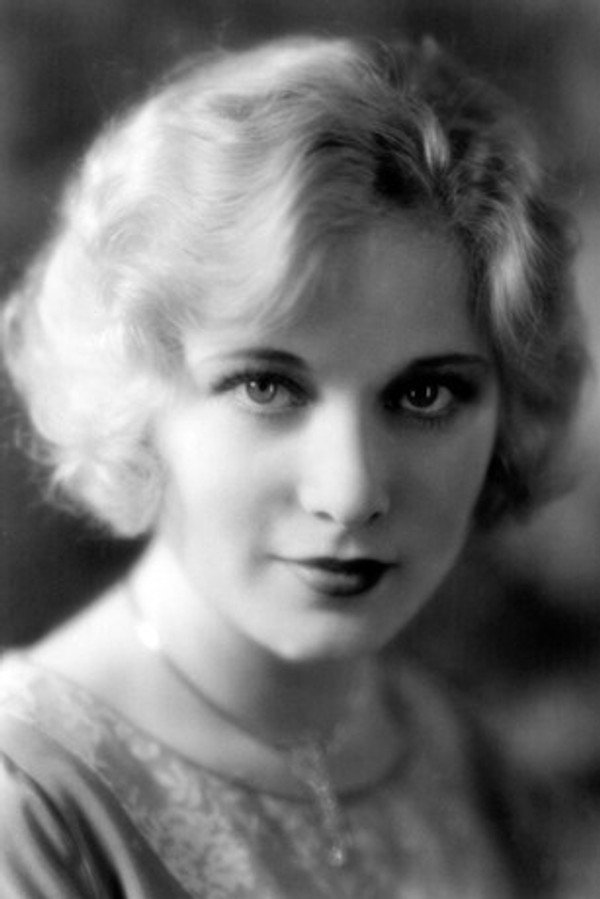
Esther Ralston
Holly Malloy
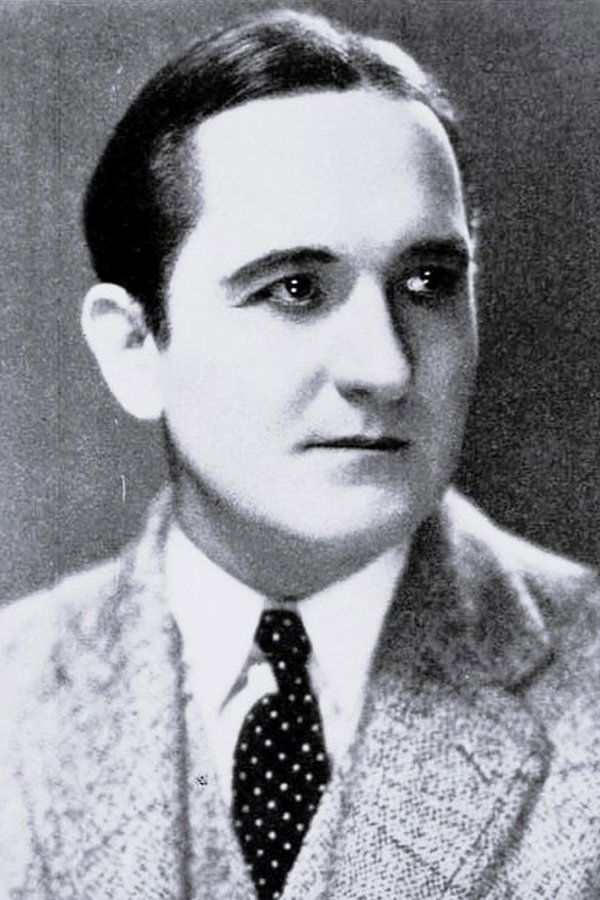
Hayden Stevenson
Society Sullivan
George Ovey
Ed Martin - Manager
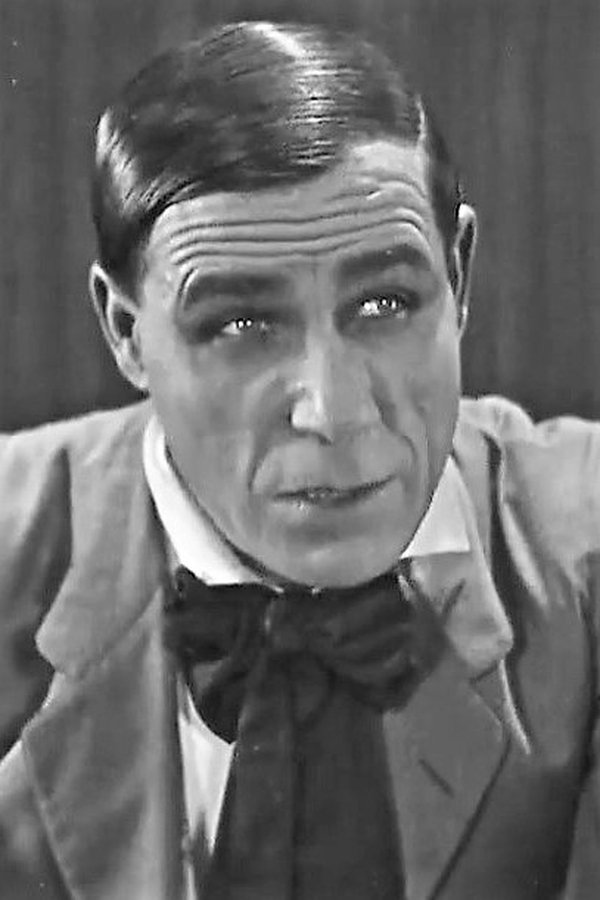
Frank Hagney
Frank Hagney Spike McGann - Prizefighting Opponent

Charles Reisner
Opposition Manager

Florence Lee
Police Commisioner's Daughter

Edgar Kennedy

Mary McAllister
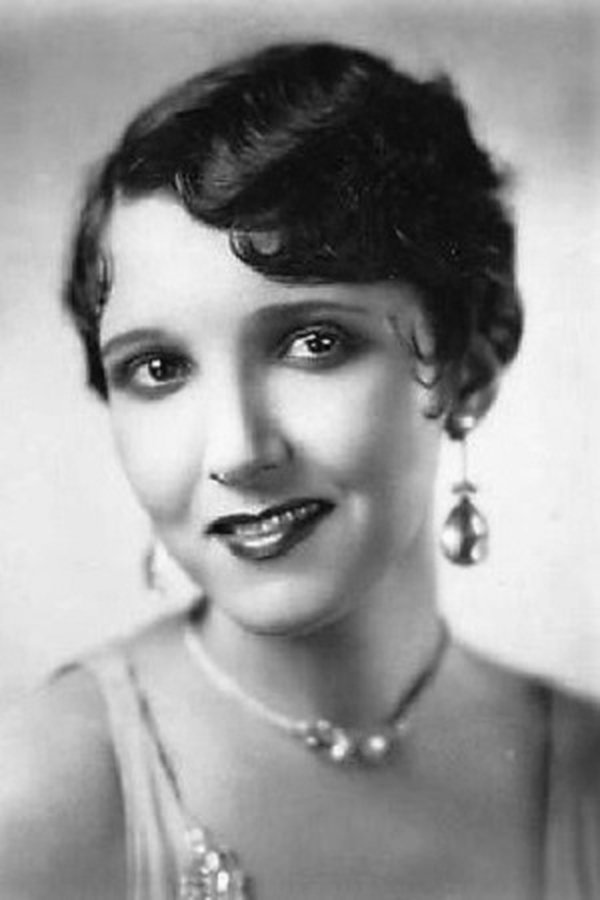
Carmelita Geraghty

Gertrude Astor
Dead Poets Society relies on patriarchal tropes such as overbearing fathers, contrived brotherhood, and faux-individuality in order to portray its straight white male characters as oppressed.
With 'The Last Movie Stars,' filmmaker and fanboy Ethan Hawke cracks the facade of Hollywood's last golden couple, but reveals a couple who were committed to each other before all else.
Mala tripped over in a company Diwali party, which led to unexpected visits and realizations.
Hiring bias is something that's rampant in all industries (even unconscious bias). But writing a script totally neutral not only opens the door for more diverse actors, but also for characters that are people first.
Supergirl is a decent movie, anchored by great action scenes and a great lead performance