NiuNiu - Film Fest Review
The film is a powerful narrative encompassing a theme that many people can identify with.
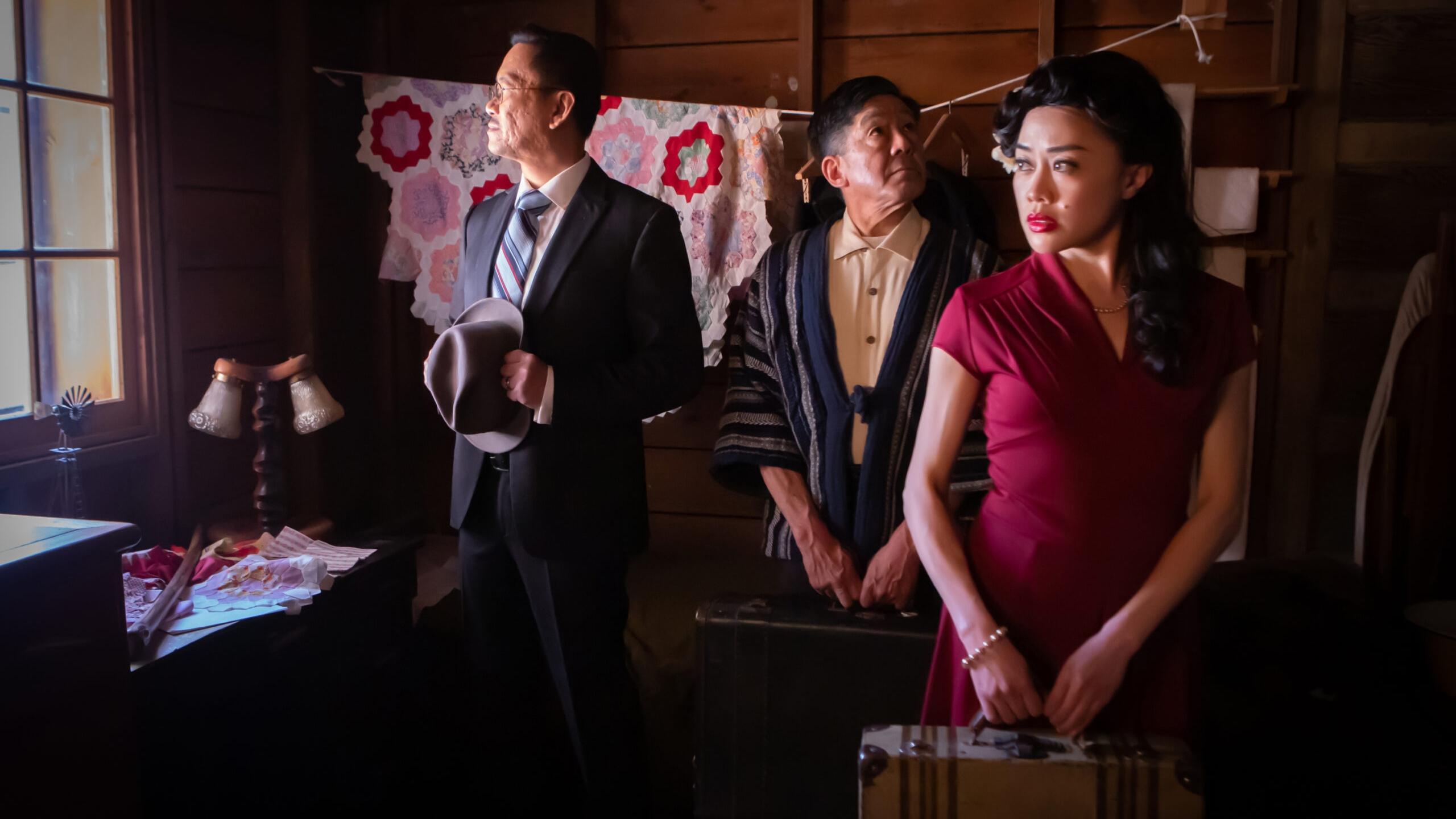



Inspired by the true childhood experience of TV/film actor and social media icon George Takei (Mr. Sulu on Star Trek), ALLEGIANCE tells the story of the Kimura family, whose lives are upended when they are forced to leave their Salinas, California home following the events at Pearl Harbor, and join 120,000 other Japanese-Americans in internment camps dotted around America. Sam Kimura seeks to prove his patriotism by fighting for his country in the war, but sister Kei fiercely protests the government’s treatment of her people. An uplifting testament to the power of the human spirit, ALLEGIANCE follows the Kimuras as they fight between duty and defiance, custom and change, family bonds and forbidden loves.

Vinh G. Nguyen
Director
Ron Munekawa
Sam Kimura / Ojii-Chan
Marah Sotelo
Kei Kimura
Jomar Martinez
Sammy Kimura
Bryan Pangilinan
Tatsuo Kimura
Chris Sotelo
Frankie Suzuki
Corinna Laskin
Hannah Campbell
Doy Charnsupharindr
Mike Masaoka
Ethan Le
Ben Masaoka
Joseph Alvarado
Dr. Hideo Tanaka
Sharline Liu
Natsumi Tanaka
Julia Wright
Betsy Tanaka
The film is a powerful narrative encompassing a theme that many people can identify with.
When a group of White women are invited to dinner by an Indian woman and a Black woman to talk about race in America, sparks fly.
Sorry to Bother You ultimately speaks to the unfair advantages that the country’s power structures award to those with the resources to control others, as Lift’s easy access to the media allows his opinion to be the only one that matters in the eyes of the unsuspecting and easily impressed public. Moreover, it reveals the extent to which the American Dream has any true validity. It postulates how the promise of success and fulfillment as promoted by the American Dream more often than not leads to the undoing of the individual. Interestingly, in its revealing of the American Dream as merely a facade, Sorry to Bother You wisely questions whether or not anything can really be done to undo a system that has been accepted and in action for centuries.
Meander, released in 2021, is a French gory horror film featuring a woman trapped in small spaces as she fights for her life, paralleling real pandemic life.
Dead Poets Society relies on patriarchal tropes such as overbearing fathers, contrived brotherhood, and faux-individuality in order to portray its straight white male characters as oppressed.
The film is a documentary focusing on heavy metal in the late 80s and tackles topics like drug addiction, alcoholism, sex, masculinity, and of course, rock and roll. However, this didn’t feel like any documentary I’ve ever seen before.