








Poverty and the Cycle of Violent Youth in 'City of God'
'City of God' depicts the cylindrical cycle of violence that is forced upon the underprivileged.
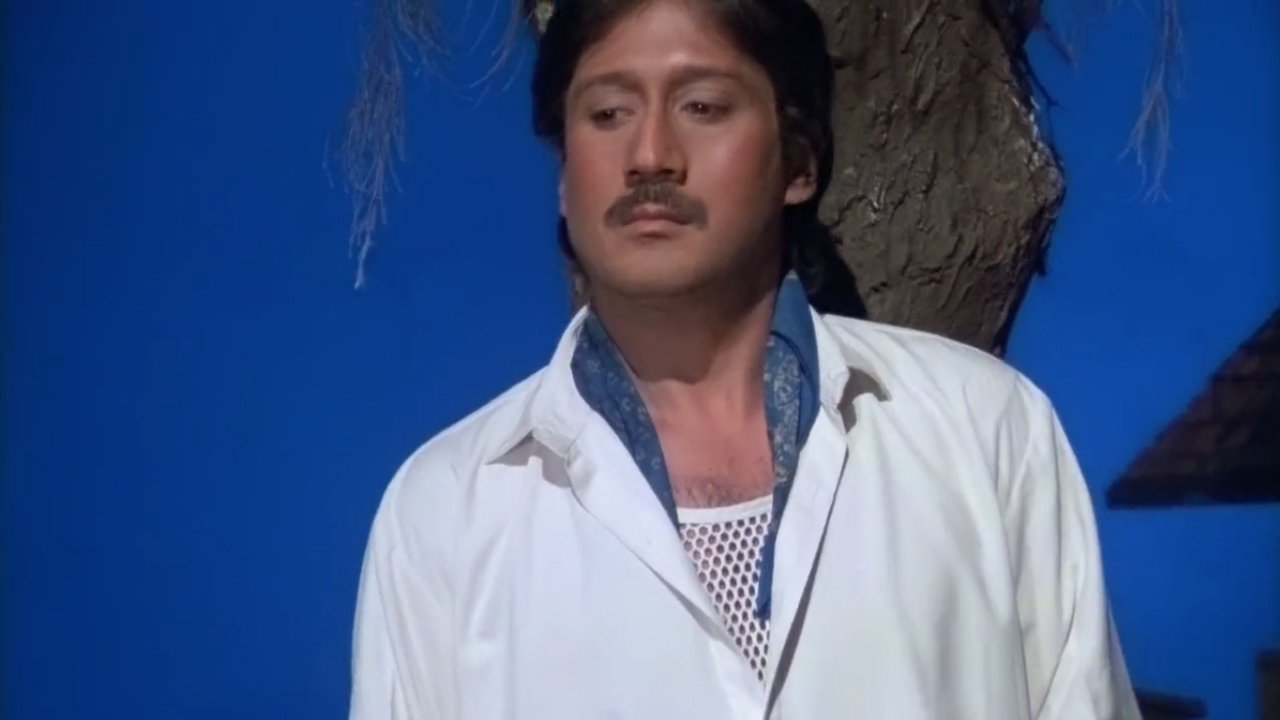
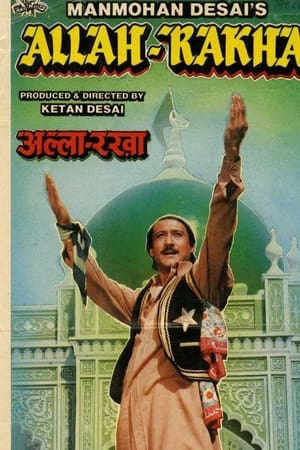


Karim Khan is employed as driver for a gangster named Don, who has an accident with his car, and asks Karim to take the blame for it for a hefty sum of cash, which Karim does so, and is imprisoned. But Don does not fulfill his promise, and as a result, Karim's wife, Razia, and new-born son are left destitute. Razia complains to Police Inspector Anwar, who arrests Don and holds him in prison, pending his trial in court. When Anwar finds out that his new-born son, Iqbal, is in need of a pace-maker, which he is unable to afford, he makes a compromise with Don, who lets him have one. Iqbal undergoes surgery and a pace-maker number 786, considered lucky in Islamic faith, is attached to his tiny heart.
'City of God' depicts the cylindrical cycle of violence that is forced upon the underprivileged.
The Lighthouse is patient and hypnotic, pulling us in with its mysterious atmosphere and characters. The film’s slow pace proves to be monumentally effective, showcasing the tedious nature that comes with isolation and poor two-way communication.
A consumed-by-rage woman travels from universe to universe to avenge the death of her daughter by brutally killing her murderer over and over again. And that's all that she does.
In an all-black community in Louisiana, a young girl learns her father has committed infidelity and turns to hoodoo to seek justice.
Spirited inverts the tropes of the holiday musical genre to update an age-old tale for 2022. It's a paean to those who make grand spectacles possible.
Gay representation is out there, but to portray a character who's gay as a big, happy brute is a rare treat.