

'Hawkeye' Episode 3 Review: Echo Steals the Show
Hawkeye episode 3 has arrived and it feels like we’re finally getting started! This episode features the debut of Maya Lopez aka Echo, a Deaf Indigenous hero with a prosthetic!
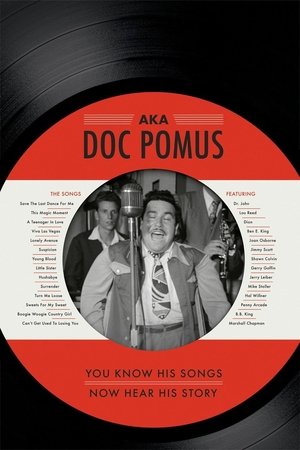


Doc Pomus’ dramatic life is one of American music’s great untold stories. Paralyzed with polio as a child, Brooklyn-born Jerome Felder reinvented himself as a blues singer, renaming himself Doc Pomus, then emerged as one of the most brilliant songwriters of the early rock and roll era, writing “Save the Last Dance for Me,” “This Magic Moment,” “A Teenager in Love,” “Viva Las Vegas,” and dozens of other hits. Spearheaded and co-produced by his daughter, Sharyn Felder, and packed with incomparable music and rare archival imagery, this documentary features interviews with collaborators and friends including Dr. John, Ben E. King, Joan Osborne, Shawn Colvin, Dion, Leiber and Stoller, and B.B. King, as well as passages from Doc’s private journals read by his close friend Lou Reed.
Hawkeye episode 3 has arrived and it feels like we’re finally getting started! This episode features the debut of Maya Lopez aka Echo, a Deaf Indigenous hero with a prosthetic!
We are incredibly blessed that this movie is available for us to see, and we should take advantage of the opportunity we’ve been given.
Taika Waititi writes, directs and co-stars in 'Boy', set in 1984 New Zealand. The film does just what Waititi dreamed of — it gave a great coming-of-age story to Māori people without making a story of the Māori people as an exotic other.
An in-depth discussion about anti-Black discrimination in college and professional football.
A gentle coming of age story, Water Lilies takes its time in exploring what it’s like to be a young girl trying to make sense of her sexuality in a heteronormative world.
This Japanese Anime movie is about Kanna, a young girl who sets on a quest across Japan to discover her true identity.