




'Causeway' Explores Toxic Masculinity Through Its Protagonists
The message to take away from 'Causeway' is that toxic masculinity can manifest in anyone, no matter what their gender identity is.
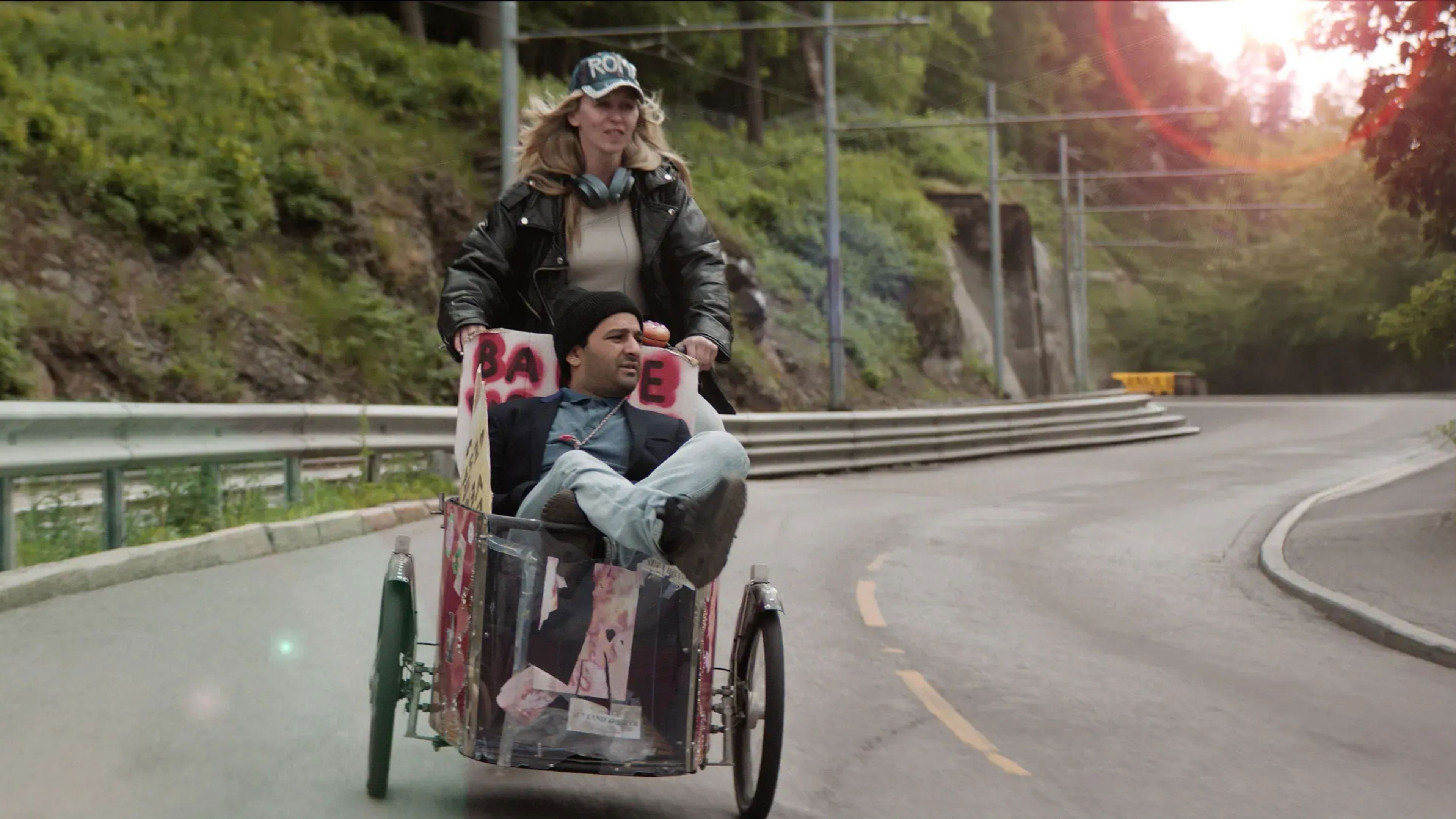
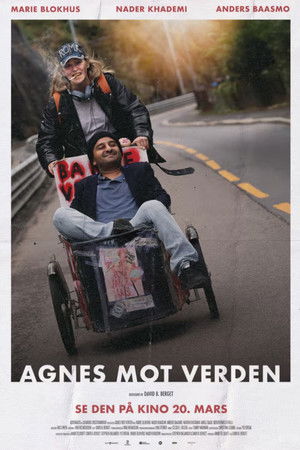


Norwegian film written & directed by David B. Berget
The message to take away from 'Causeway' is that toxic masculinity can manifest in anyone, no matter what their gender identity is.
With The Father, writer-director Florian Zeller- who wrote and developed the play upon which the film is based- pulls no punches as he confidently makes every effort to put the audience in the mind of someone whose grip on reality has all but vanished. It’s a dazzling testament to Zeller’s abilities as a director as he makes his first transition from stage to film appear as if he’s been working behind a camera his entire career. The dialogue he fashions with co-writer Christopher Hampton, along with the work of production designers Peter Francis and Cathy Featherstone, collectively makes the downward spiral of dementia startlingly tangible, doing so in a way that can be comprehended by everyone except the person it directly affects.
People are so much deeper and far more extraordinary than what gender they were assigned at birth.
When we hear Korean Cinema, we often think of South Korean Cinema, but what about North Korea? Sure, North Korea has its propaganda moments, but 'Pulgasari' might be its best one yet.
Ben Affleck leads The Way Back, a seemingly cathartic film for him after the actor’s recent bouts with alcoholism and rehab. He plays Jack, a man fighting his own battles who happens upon coaching a boys’ basketball team, the same team he once played for back in high school.