









Dead Poets Society Steals a Queer Story
Dead Poets Society relies on patriarchal tropes such as overbearing fathers, contrived brotherhood, and faux-individuality in order to portray its straight white male characters as oppressed.

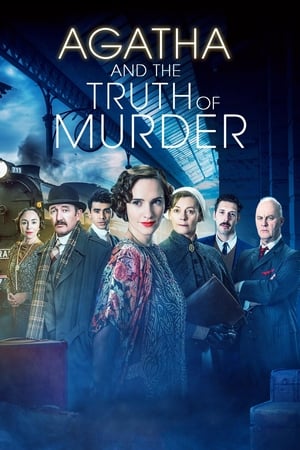


England, December 1926. Although her personal life is in tatters, the famous writer Agatha Christie decides to leave everything behind to help unravel an unsolved murder committed on a train six years ago, unable to imagine the disproportionate consequences that such a selfless act will cause.
Dead Poets Society relies on patriarchal tropes such as overbearing fathers, contrived brotherhood, and faux-individuality in order to portray its straight white male characters as oppressed.
A commentary on the exploitation of the elderly fueld by the inherent greed of capitalism.
If you enjoy the bizarre, silly and entertaining world of the horror B-movies and want a break from the nuanced and poignant big budget horror releases, I have a list of gore-fests from the last ten years to enjoy this October.
If you enjoy Japanese cinema, absurdly violent action films, gangster flicks, or joyfully strange cinema, 'Why Don’t You Play in Hell?' is a must-see.
Emily and Stephanie are back... just add gin and drama.