














Incluvie – Better diversity in movies.
Identity in film with Incluvie stamps, scores, reviews.

Incluvie – Better diversity in movies.
Explore identity in film with Incluvie stamps, scores, reviews, and insights.

trailer banner
After the Promise poster

After the Promise (1987)

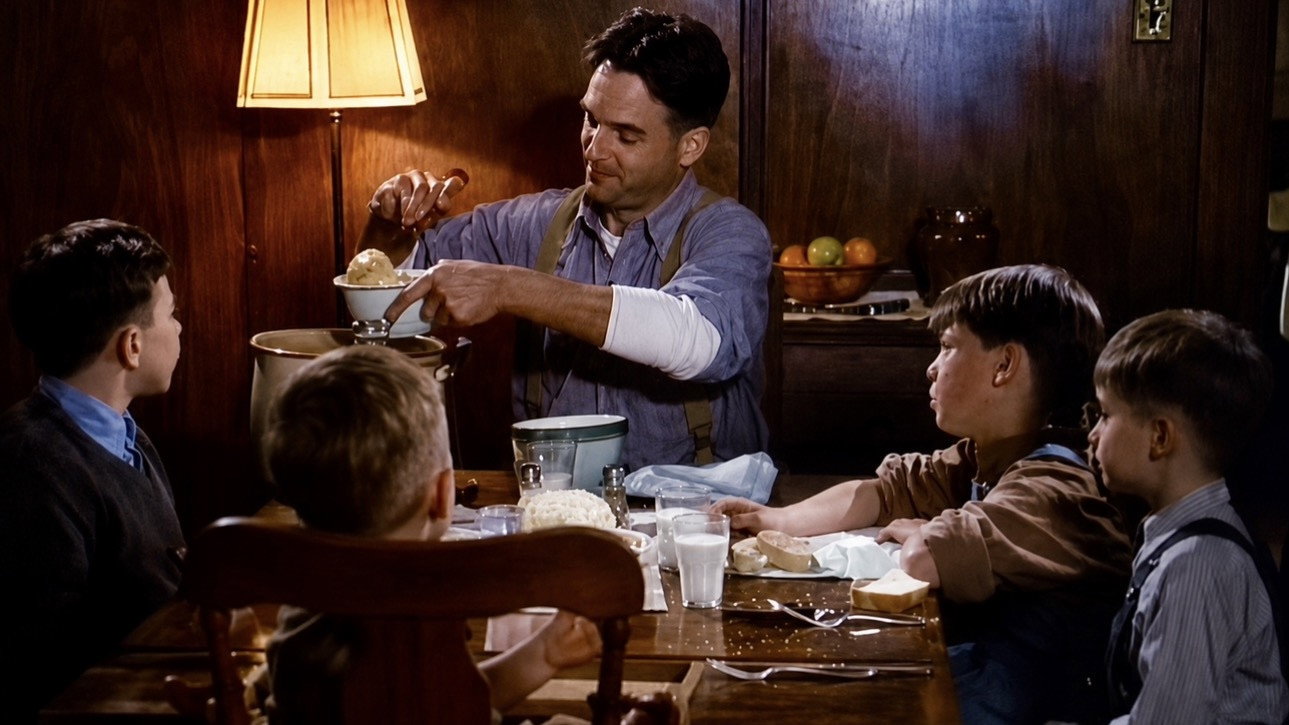
Elmer Jackson, a carpenter in a small Californian town in the 1930s, struggles to bring up his 4 young boys after the death of his wife. He is horrified when the government (citing trumped-up charges of parental neglect) places the boys into various foster homes and institutions, unaware of the abuse that boys would then be subjected to. The conditions imposed by the court and the difficulties caused by the Depression make Elmer's determined and vigorous quest to find his boys extremely difficult. His second wife helps him to regain custody.
- / 5
PopScore
Representation

Pictures and Videos


Incluvie Gala

Movie Information


Elmer Jackson, a carpenter in a small Californian town in the 1930s, struggles to bring up his 4 young boys after the death of his wife. He is horrified when the government (citing trumped-up charges of parental neglect) places the boys into various foster homes and institutions, unaware of the abuse that boys would then be subjected to. The conditions imposed by the court and the difficulties caused by the Depression make Elmer's determined and vigorous quest to find his boys extremely difficult. His second wife helps him to regain custody.

Rating:PG-13
Genre:Drama, TV Movie
Directed By:David Greene
Written By:
In Theaters:10/11/1987
Box Office:

Runtime:90 minutes
Studio:Tamara Asseyev Productions, New World International

Articles You May Like


‘She-Ra and the Princesses of Power’, a Worthwhile Watch to Celebrate Pride Month with the Whole Family!

An aspect of She-Ra that I find refreshing is even though a large portion of the cast is on the LGBTQ+ Spectrum, being gay is never mentioned. While this might initially sound like a negative thing, in the show’s land of Etheria being on the gay spectrum is shown to be so common and normalized that straight isn’t the default. As much as there is to appreciate about narratives revolving around the obstacles that may come from being non-heteronormative, it’s nice to get immersed in a world where no one bats an eye at all to any sort of differing identity.

Andrea Amoroso