







Why Joel Coen’s ‘The Tragedy of Macbeth’ is the Best Version
Joel Coen has gone solo to create perhaps the greatest version of Shakespeare's 'Macbeth' since Shakespeare himself.
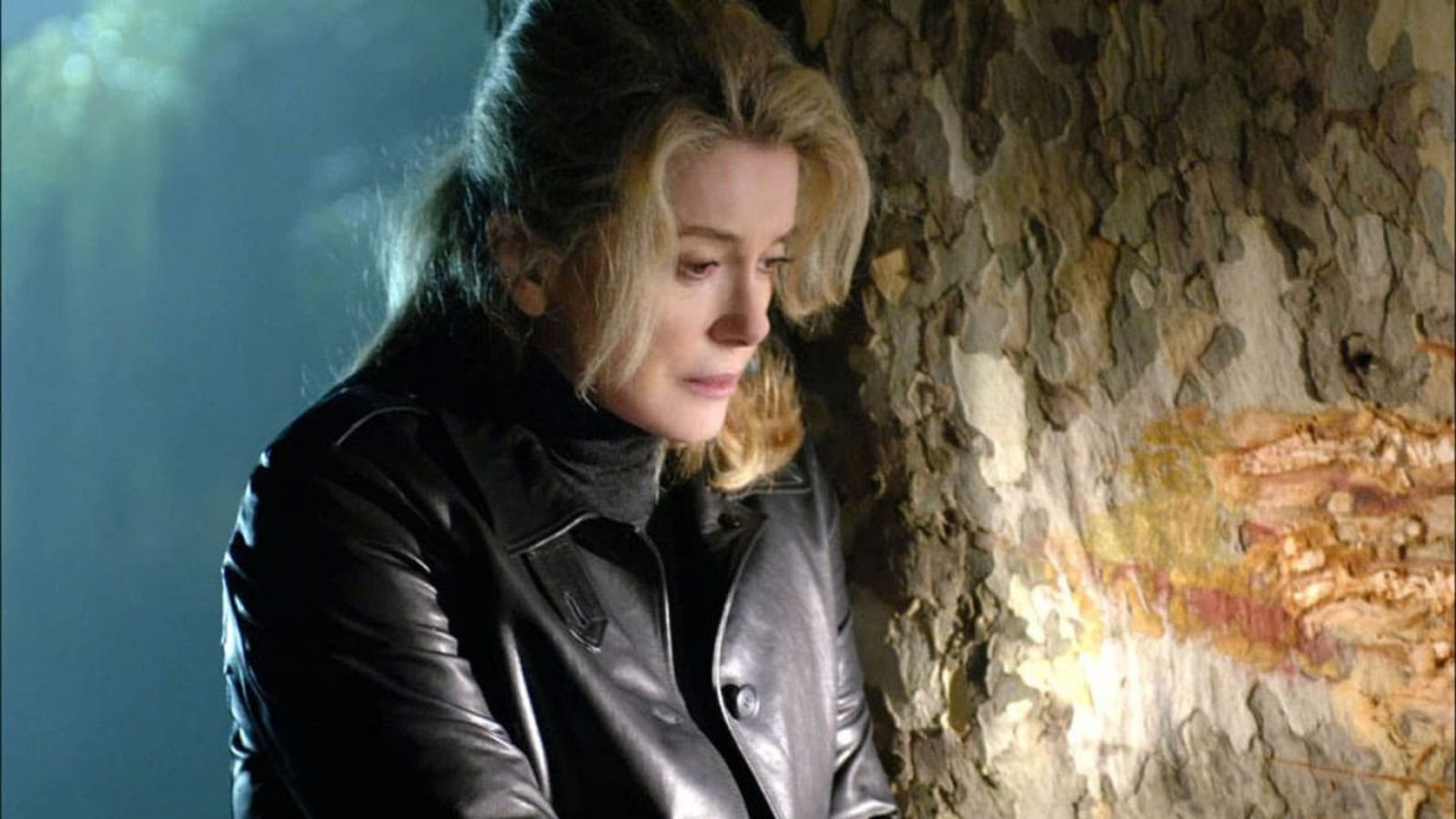



When Camille's son was killed in a car accident, the devastating loss proved too much for emotionally fragile mother to bear. Now desperately clinging to any reminder of the son she held so close to her heart, Camille becomes increasingly fixated on Frank - the young man who was not only her child's best friend, but the one who was responsible for the tragic accident that took his life as well. At first, Frank is receptive to Camille's advances. It's not long, however, before the pair's scandalous relationship prompts many of Camille's friends to distance themselves from the increasingly unstable woman. Later, as Camille's obsession with Frank turns menacing, the relationship between grief-stricken mother and her guilt-ridden lover begins to take on ominous undertones.
Joel Coen has gone solo to create perhaps the greatest version of Shakespeare's 'Macbeth' since Shakespeare himself.
I believe in homages, but there's a proper way to borrow a creative idea instead of making it appear as if you hit the copy and paste button. Most likely, anyone is better off simply reading the books. Or just put on Scream.
As a frequent “the book was better” extoller, this movie was well worth the watch.
I can say without question, that this is the first movie I’ve ever seen where art imitates life so much that I could 100% identify with it on a personal level. The predominately Black cast of characters are people with hopes, dreams, fears, and ambitions.
“Candyman ain't a 'he.’ Candyman is the whole damn hive." Candyman represents all Black victims of white supremacy, and this art form narratively conveys it in a succinct, adulatory way, the history of which is rare to find.