






Straight Actors Playing Queer Characters Is Exhausting
It’s 2021 and what few LGBTQ+ films that are produced by major film studios continue to star cisgender heterosexual actors, rather than actual LGBTQ+ people.
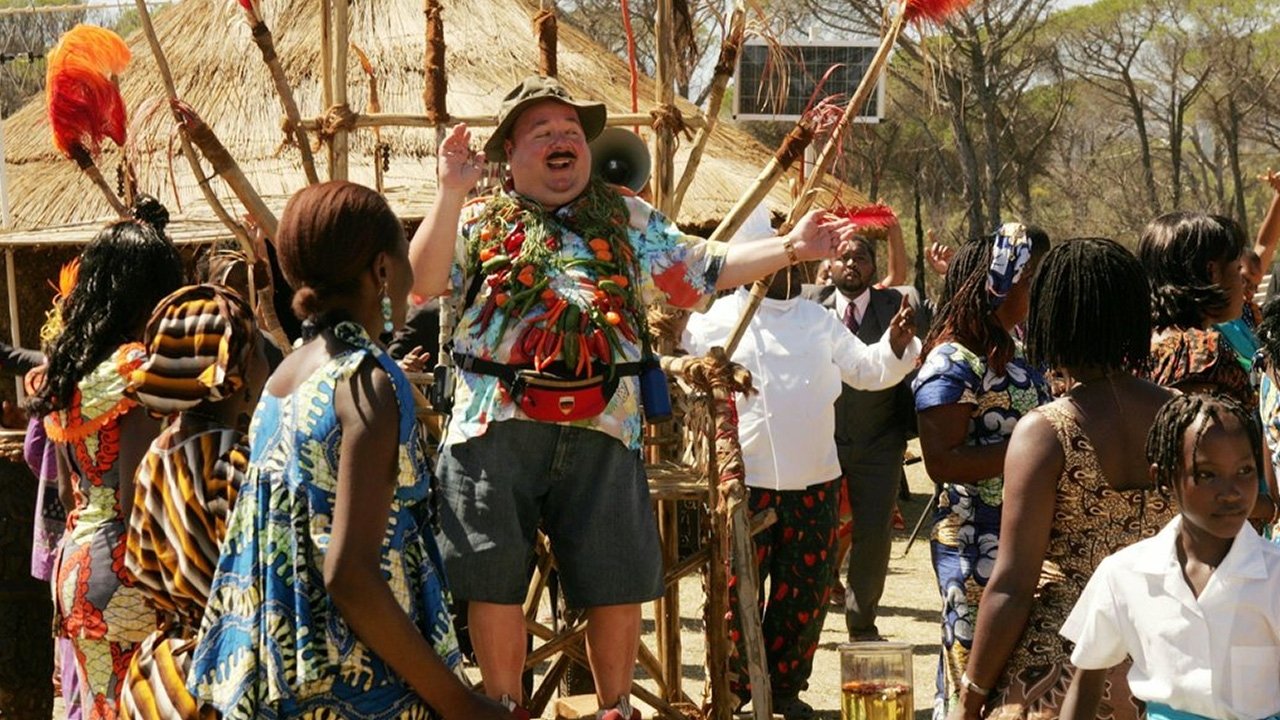
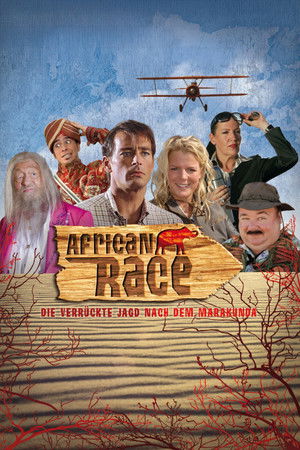


The scatterbrained archivist of Cologne Cathedral is sent to Africa to retrieve the largest diamond in the world, on which the cathedral once rested and whose absence is now causing the foundations of the building to sink. In his wake, shady characters appear who are also after the precious stone. But there are also helpers who are well-disposed towards the adventurer against his will.
It’s 2021 and what few LGBTQ+ films that are produced by major film studios continue to star cisgender heterosexual actors, rather than actual LGBTQ+ people.
What happens to an inseparable bond when love for competing morphs into competing for love?
It only seems to prove that when the company had their backs against the wall and needed an all pleasing, generic movie that had to make up for The Last Jedi, they chose to sacrifice almost everything that made their main protagonist interesting and that made her stand out as the strong female character that a generation of young movie goers was supposed to look up to. Instead, we were left with a Rey that was so much less than she could have been. And I guess that’s the real story of Rey and The Rise of Skywalker; they could have been so much more, but they were just more of the same.
The latest in the lineup of Disney+ Marvel shows, Hawkeye is shaping up to be a fun Christmas-themed Avenger show that’s also really down to earth.
“I’m always interested in exploring female fantasy, and the sexy witch is a loaded archetype that is simultaneously about men’s fears and fantasies about women, and women’s feelings of empowerment and agency. So whereas we are used to seeing the sexy witch or the femme fatale from the outside, I wanted to explore her from the inside.” - Anna Biller, on why she made The Love Witch
I understood post-memory as passing down stories and images of one’s experiences that are not your own. For decades, rape has been depicted in cinema through a third-person perspective, leaving the viewer to observe rape; not to experience it.