



'The Bear' Season 2 is a Recipe for Success
‘The Bear’ Season 2 has all the right ingredients for both comedy and drama.
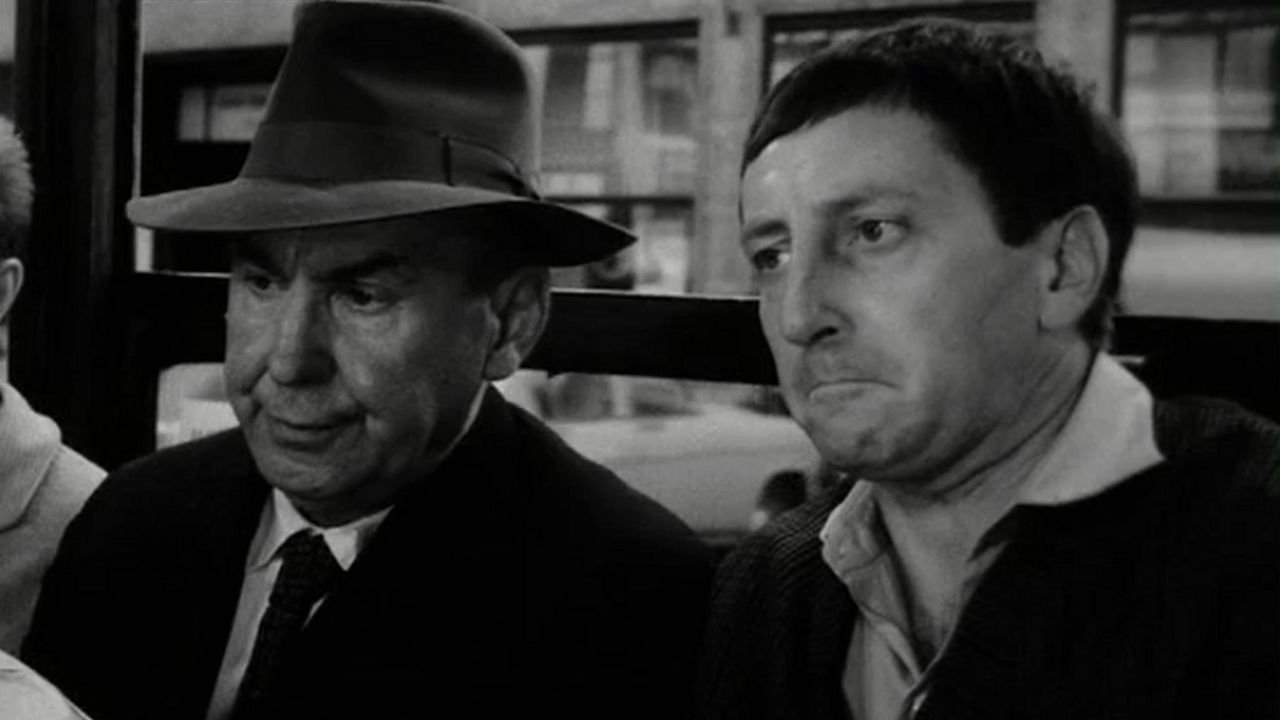
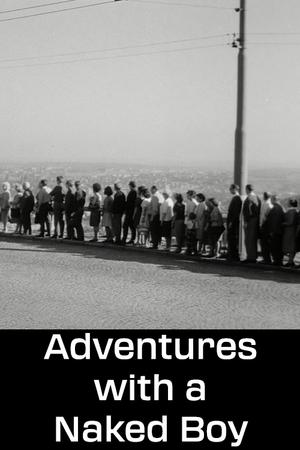


A man boards on a tram together with a naked boy. Somebody has stolen the boy's clothes when he was out bathing, leaving him with not even change for the tram. The man has taken care of him and is taking him home. At first nobody notices them but as soon as the people realize they are seeing something out of the ordinary they begin to react to the situation. Some are content with the simple explanation as to why the boy is naked. Others are agitated, for they see the whole situation as something unseemly. An ordinary incident, which might have been passed over in silence, results in a heated argument that turns into a fight. More and more people join in the fight until the police are forced to intervene.
‘The Bear’ Season 2 has all the right ingredients for both comedy and drama.
Fire Island is Hulu's most recent romantic comedy and the latest spin on the Jane Austen classic, Pride and Prejudice.
As many of us know, Marvel Studios has taken an interest in women-led superhero films, but some of us are oblivious to the women behind the camera and pen.
With the theme of unemployment, it presents a family fantasy anecdote rather the a comment on social problems.
If you enjoy the bizarre, silly and entertaining world of the horror B-movies and want a break from the nuanced and poignant big budget horror releases, I have a list of gore-fests from the last ten years to enjoy this October.
It’s dark, uncomfortable, and there are things that don’t make sense.