
"A man has got to see his face." Horror Noire: A History of Black Horror
This documentary moves chronologically through Black representation in horror films, revealing the genre's connections to Black history.
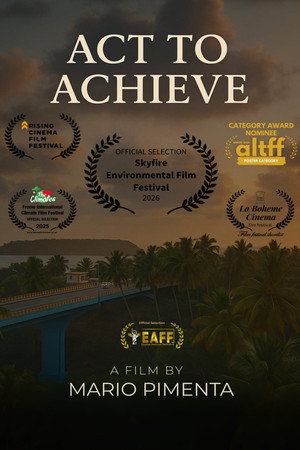


The film follows a young boy who is haunted by visions of the escalating crisis of climate change, feeling both the weight of the planet's plight and his own helplessness. He idolises the teachings of Don Bosco, whose legacy shows how one person's actions can catalyse meaningful change. Inspired, the boy begins to realise that waiting for "someone else" to fix things is a form of surrender - true power lies in personal initiative. Through symbolic imagery, he moves from paralysis to momentum: planting a sapling, clearing litter, rallying peers. The film underscores the message that even small acts-taken consciously and collectively-can scale into greater impact. In the end, the boy's transformation becomes a microcosm of global hope: change doesn't require perfection or grand gestures, just the courage to act to achieve.
This documentary moves chronologically through Black representation in horror films, revealing the genre's connections to Black history.
The major flaw of the series is that it’s hosted on Netflix and barely makes malicious comments about it despite being focused on the lives of people directly affected by the Capitalist mentality of the OTT corporation.
A lot of us are emotionally impacted by the current pandemic. So, while we’re all stuck here in our homes, it’s great to put on a movie to ease the stress. With that, I made up a small list of some of my favorite feel-good movies.
The film centers around two young women, Becca and Sam, who were once high school sweethearts until they reconnect in their town.
The live-action remake brings adventure and shows viewers why representation is important in a Disney Princess movie.
All in all, “Event Horizon” is a cinematic misfire, begging to be perfected in the future. While it possesses an array of admirable visuals, the film leaves much to be desired. If only we could see Anderson’s preferred cut, which featured more character development and tortuous imagery. In the meantime, I have a catchphrase for this film: In space no one can hear you snore.