









'Shang-Chi' Delivers Epic Superhero Action and Positive Asian Representation
Marvel’s first Asian superhero film, 'Shang-Chi', deserves praise for balancing epic superhero action, a heartfelt family plot, and positive Asian representation.
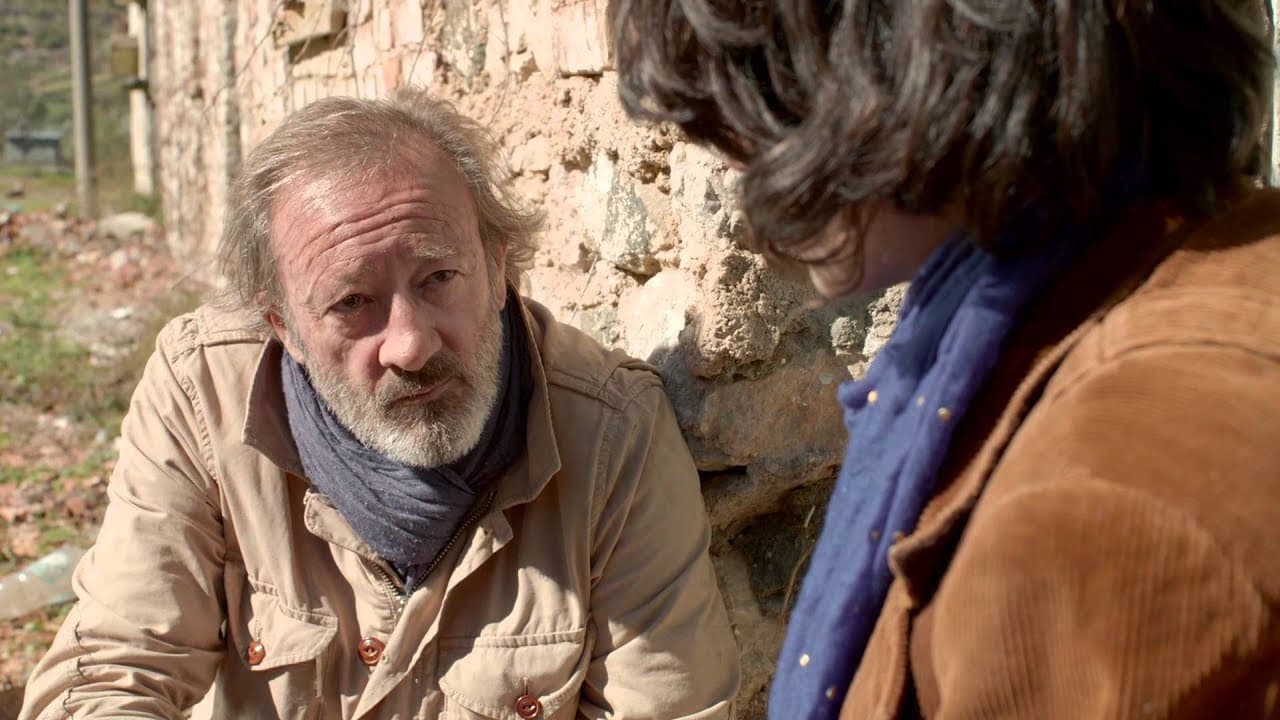
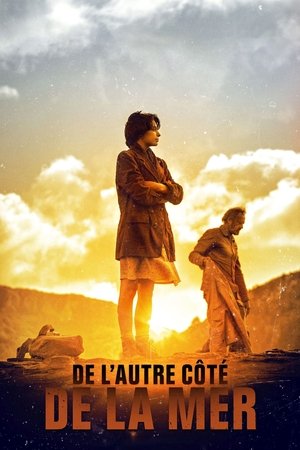


A former war photographer tries to ward off his personal ghosts by taking pictures of trees only. He lives alone among olive trees in southern Italy. One day he decides to cross the sea. Once in Albania, he goes near the location where he had made his last war picture, as if he was retracing his steps. He finds a tree he wants to photograph. He is just about to do so, when he discovers a runaway girl hiding in it with the sole objective of crossing the sea and getting to the other side. The man has no choice. He has to flee with her, follow her and guide her along until a storm separates them.
Marvel’s first Asian superhero film, 'Shang-Chi', deserves praise for balancing epic superhero action, a heartfelt family plot, and positive Asian representation.
The multifaceted musical represents America in the 1960s and the battle against bigotry as an ensemble cast portrays how to fight for the limelight.
Like most young people, Leviticus is imperfect. But I love it anyways.
A surprise sequel takes place ten years after the original movie based on the title of the same name, but with a twist to the fairy tale.
Critical Incident is worthy of a weekend binge, keeping you guessing right up until the end.
These confines won’t really encourage you to read the film as a metaphor for the nerve-inducing experience we’ve all been through over the last year, however — and in the interest of maintaining your dignity, you probably shouldn’t. While the sociopolitical commentary may have worked for the similarly-themed Buried (2010), in which we find Ryan Reynolds on his own buried alive in the Middle East, but this futuristic take on the premise is best left as a piece of distracting entertainment. Nevertheless, the atmosphere is no less suffocating, literally and dramatically.