

‘Little Boxes’ Had Good Intentions, But...
In 'Little Boxes," an interracial family moves to an all-white town where they face the judgement of others who have never been exposed to people of color before.
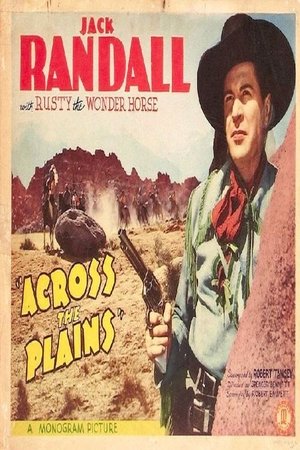


Jennie Lee and her father are on their way to Golden California, from a little Kansas farm, traveling in a prairie schooner. At the last settlement visited by the two, the old man, who has a weakness for drink, purchases several bottles of whiskey, which he begins drinking when they have made camp for the night. A lone cowboy calls upon them and finds the old man in a jovial mood and cautions him to beware of the hostile tribe of Indians, through whose country they are now traveling.
In 'Little Boxes," an interracial family moves to an all-white town where they face the judgement of others who have never been exposed to people of color before.
"Godzilla vs. Kong" is all style and very little substance. It's also the most fun I've had in months.
"Well, the film industry is completely sexist and completely class-biased." A closer look at Lynne Ramsay's impressive body of work.
With so many Disney remakes out and about in the world and loosed upon Hollywood cinema, there is one Disney film that truly needs to be seen and witnessed on the big screen: Princess and the Frog.
The story continues in 'Tall Girl 2' as Jodi finds herself playing the lead role in the school's musical production.
Yes, "Nope" is definitely about the modern obsession with turning tragedy and horror into a spectacle for people’s enjoyment. But it's also about the power of looking, who has the right to look, and what happens to those who are looked upon.