
Hitchcock's Subtextual Coding in 'Rope'
Hitchcock is no stranger to innuendo, as was common in that era, but there was something so sophisticated about his approach to 'Rope', and it starts in the first frame.
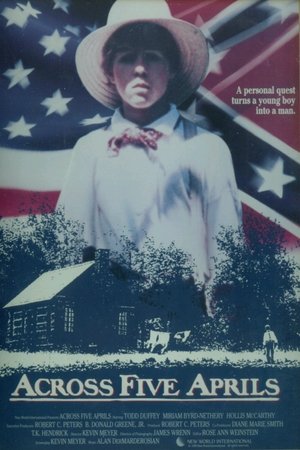


Jethro Creighton (Todd Duffey) is a young man of nine years from Southern Illinois who is growing up during the outbreak of the American Civil War. Helping his father farm is all he really knows. This makes things difficult when his kin fights for the Union Army, as well as the Rebel cause. He doesn't know who what to do. Should he fight for the Yankees, the Rebs, or just continue working on the farm? He has a cousin who is a deserter which he helps with food and a blanket; this is a crime not taken lightly. He writes Abraham Lincoln for advice on the matter. The president responds in a letter which guides him some, but more or less provides him with comfort; when a nine year old is in the midst of war, what is more important?
Hitchcock is no stranger to innuendo, as was common in that era, but there was something so sophisticated about his approach to 'Rope', and it starts in the first frame.
'The Wiz' has the propensity for paying homage to black culture with R&B music, graffiti and jazzy elements that make it incredibly entertaining.
At first glance, Black as Night is a strange title choice for a film about vampirism in post-Katrina New Orleans. However, the title alludes to the world's anti-black and colorist messages.
Guillermo del Toro highlights a touch of innocence in the Gothic classic. The journey of Victor Frankenstein defying death gained inspiration from the Eastern energy system that is named ‘Qi’ and the lymphatic system being studied by Muslim scholars.
‘Candyman’ (2021) builds upon the original 1992 film by presenting the myth of Candyman not only as an example of black pain, but as an opportunity for black vengeance.